The success of this first edition has laid the foundations for the programme to become firmly established in Valais. It is based on a long-term partnership between EPFL and UBS, as well as the provision of premises and financial support from EPFL Valais Wallis and UBS. Certain activities take place thanks to partnerships with the NCCR Catalysis, the HES-SO Valais-Wallis, the Office cantonal de l’égalité et de la famille, Novelis, the City of Martigny and the Groupe Mutuel.
Summary of the past year
In 2024, a science mediation team was hired and trained by the SPS core team to organise and supervise the school and extracurricular activities of the Valais science promotion cluster. A part-time person was also hired to manage program and activity communication, registration follow-up, interactions with schools, teachers and parents, and administrative tasks.
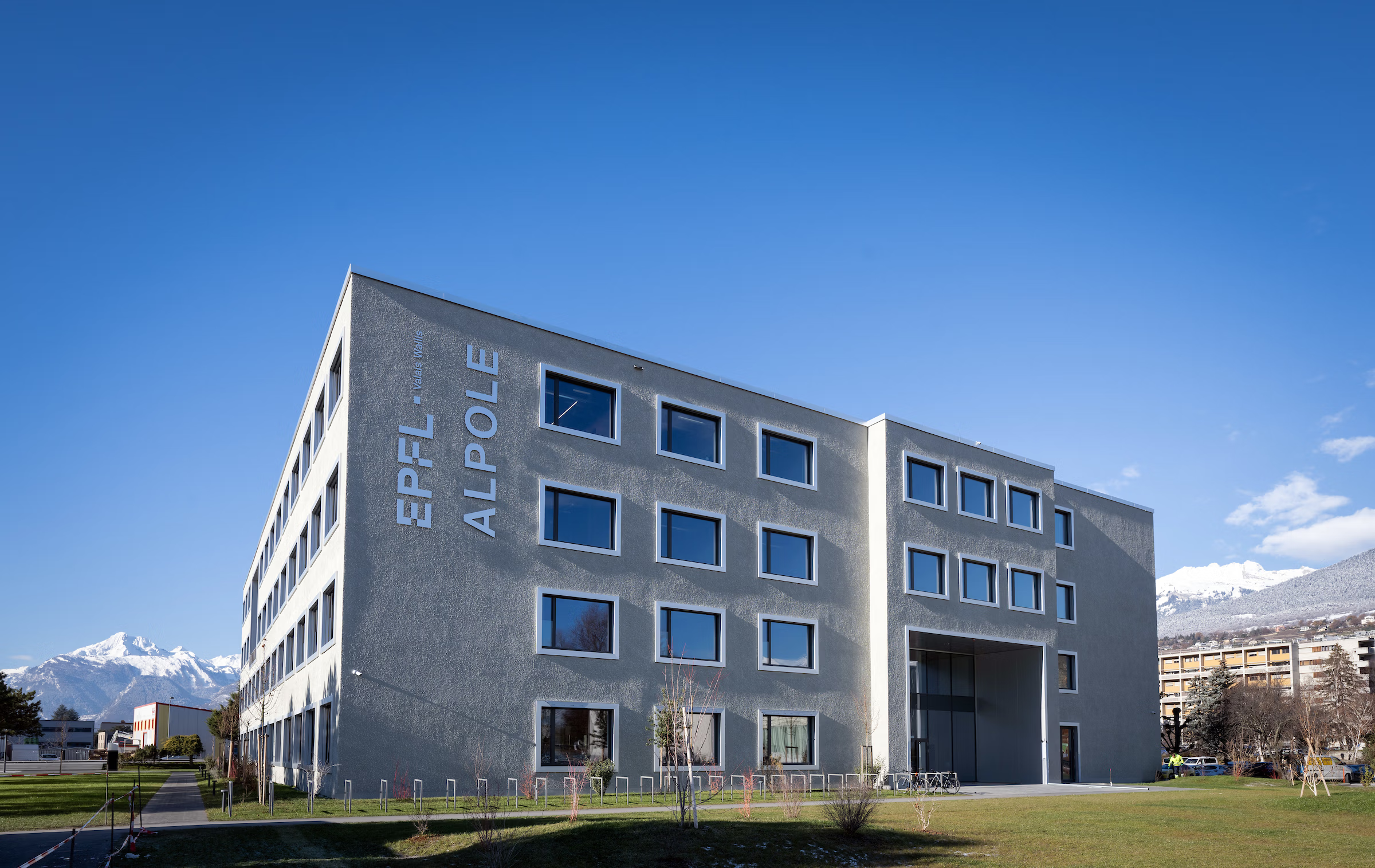
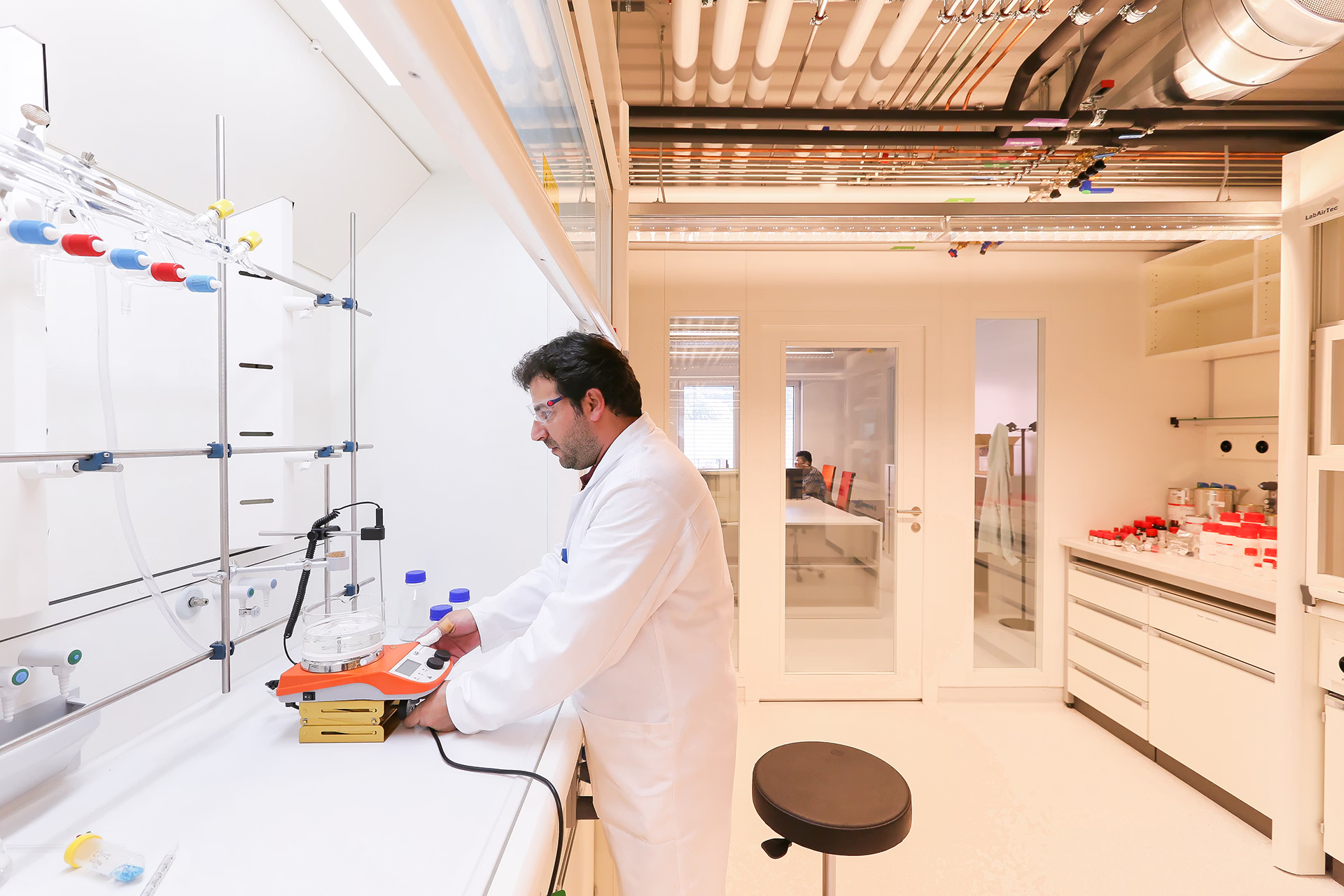
In addition to the existing workshops, new ones have been developed. Suitable premises were chosen within the Alpôle building at EPFL in Sion, then transformed and equipped with the adapted furniture to accommodate the children. The equipment needed for the activities was acquired. A close relationship has been established with several EPFL laboratories to enable scientists to showcase their laboratories and share their research with the aim of demonstrating the usefulness of their work to society. It is also important that scientists can serve as inspiring role models with whom children can identify.
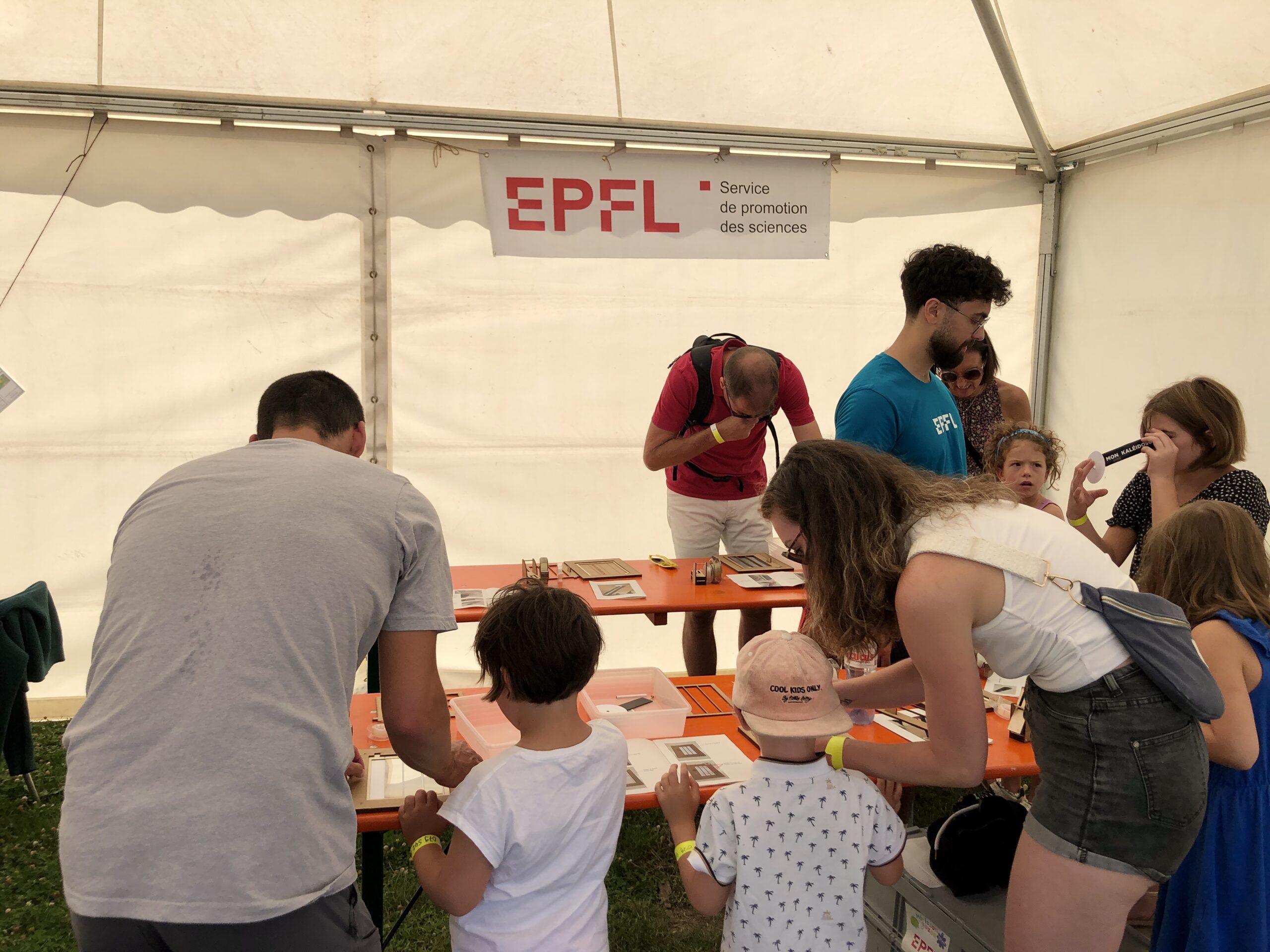
A total of 4,859 people benefited from the activities in 2024, a figure that rises to 5,028 if we include the 169 teachers who accompanied their classes in the various activities. 169 classes (3,372 pupils) benefited from school activities, while 1,207 children took part in extracurricular activities and 280 adults took part in activities for the general public. Activities were held in French in Sion, Sierre, Martigny, Vétroz, Charrat, Massongex, Vouvry, Fully-Saxon, Leytron, Collomey-Muraz and St-Maurice, and in German in Siders, Brig and Mörel.
The evaluations carried out among teachers and young people show a high level of satisfaction, with an average score of 4.7/5 for teachers and 2.7/3 for young people. These results confirm the relevance of the activities proposed, their relevance to the expectations of the participants and the achievement of the objectives set, both in terms of arousing interest in the MINT fields and in terms of meeting the educational objectives. They also show that the participants express a strong desire to continue discovering science through other activities.
The “Science interests me” programme
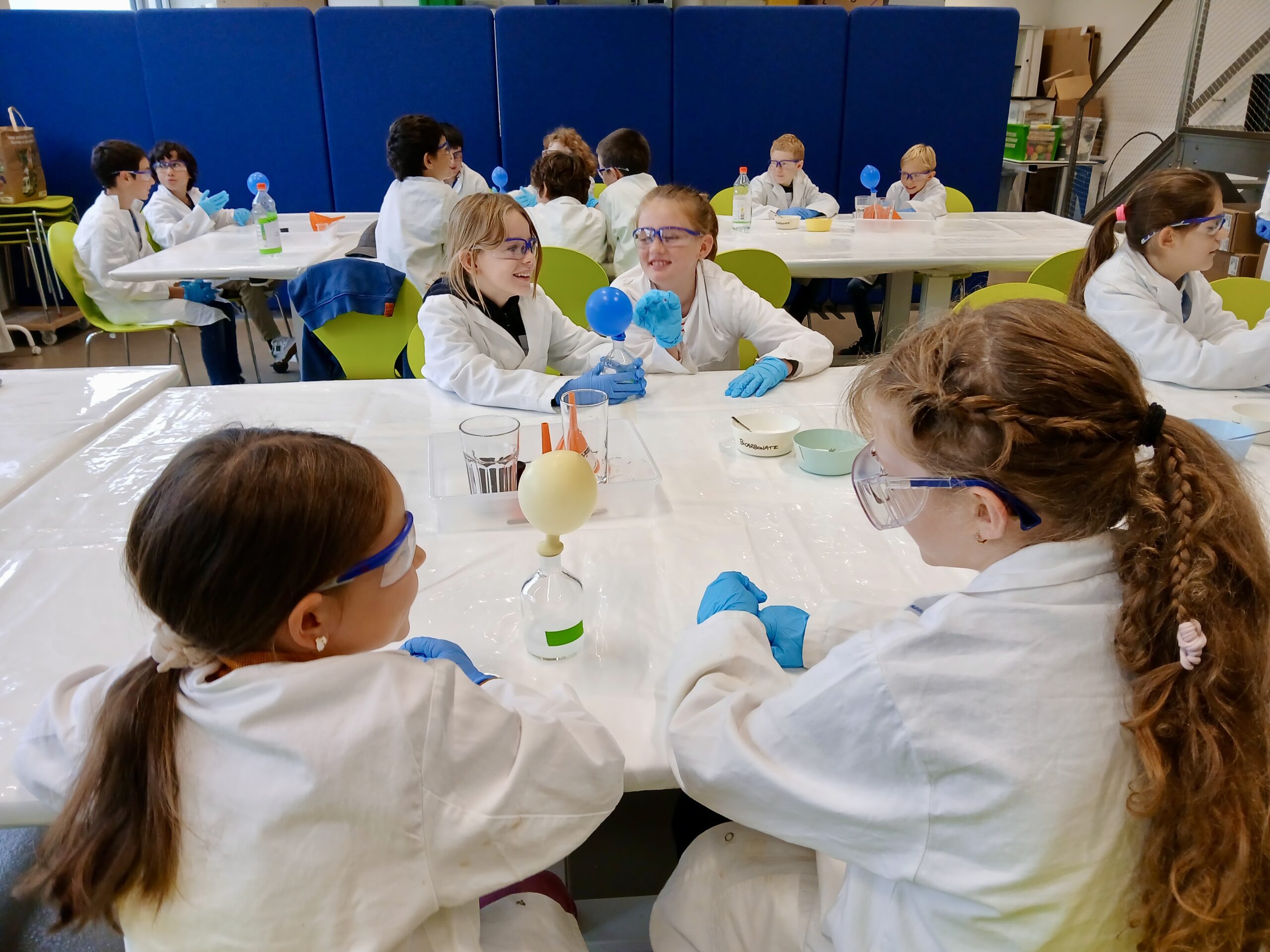
The “I’m interested in science” programme, specifically designed by the SPS, is aimed at young people (girls and boys) aged 7 to 16 (primary and lower secondary levels) with the following objectives:
- Stimulate interest in science and technology;
- Encourage creativity;
- Foster the acquisition of scientific thinking and approaches and the learning of new knowledge in the MINT (STEM) fields.
Based on an educational and fun approach, this programme integrates the gender dimension into all its actions and also includes specific actions to encourage more girls and raise awareness among parents and teachers. It focuses on information, encouragement and an introduction to the sciences and technical fields, with the aim of stimulating young people’s interest in the MINT fields and encouraging the next generation.
In figures
Equality strategies
Girls’ participation in extracurricular activities and equality strategies
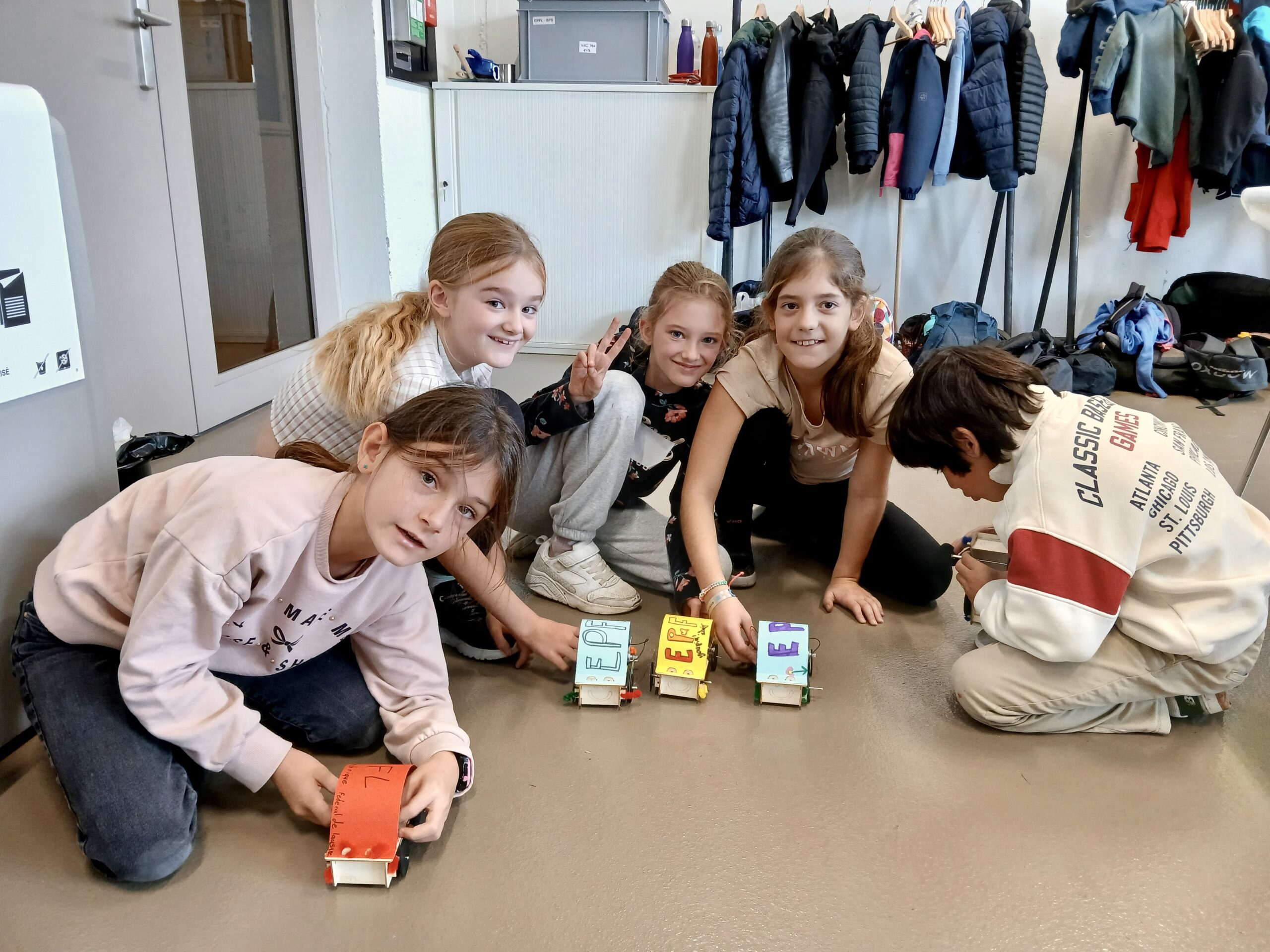
In 2024, of the 1,207 children taking part in our extracurricular activities, 752 were girls, representing a rate of 62%. This result is the fruit of a proactive strategy to encourage more girls to take up scientific and technical disciplines. To encourage their participation, we have set up a targeted communication campaign aimed at girls’ parents. In addition, at the time of registration, we reserve 50% of places for girls and 50% for boys: as soon as the 50% rate for boys is reached, subsequent male registrations are placed on a waiting list, while registrations remain open for girls. This approach not only strives for balance but also offers girls an environment where they are not the only few girls among the boys and thus, feel in the company of other girls, that they are fully entitled to explore science and technology. These measures are part of a wider drive to promote MINT (STEM) disciplines among girls, in order to encourage a more balanced representation in these fields.
Communication
Communication about our activities increased, reinforcing our visibility and impact with target audiences. Our newsletters saw their audience grow, with a 33% increase in subscribers to the SPS Valais newsletter (from 276 to 369 subscribers) and a stable base of over 6,200 subscribers for our general newsletter. Our digital promotional activities via social media and our website helped to maintain a dynamic link with our community. At the same time, we consolidated our network through local partnerships, notably with the Sion Sports, Youth and Leisure Department and the Val de Bagnes municipality. Our communication campaigns also included a targeted mailing to 55 schools(over 10,600 pupils) from 5H to 8H. Finally, our media coverage was reinforced by the press conference held on June 26 to announce the roll-out of the “Les sciences ça m’intéresse! program. The Valais media – Canal 9, Rhone FM, MyScience.ch, LFM, Le Nouvelliste and Radio Chablais – relayed the information.