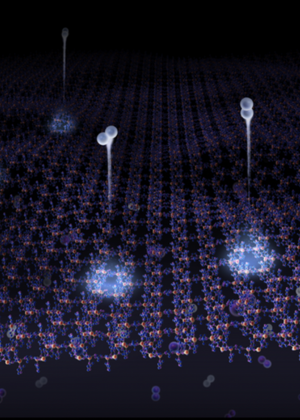
The Laboratory for Energy Materials employs advanced optical characterization techniques and materials chemistry to transform the way we produce and consume energy as a society. We work on uncovering the design rules to enable the next generation of cheap, efficient and flexible solar cells & ultra-bright displays, and unlock entirely new applications in quantum information technology.
Research topics
1
Cheap, flexible and highly energy-efficient solar cells
2
Efficient, flexible, ultra-bright displays and holography
3
Emerging qantum information technologies for ultra-efficient computing
Our key projects
Lead-Free Perovskites
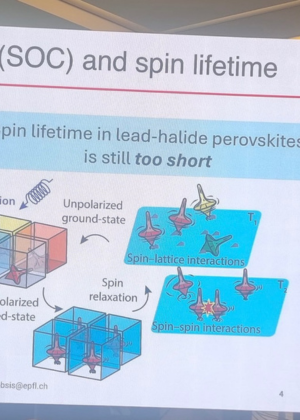
Developing lead-free halide perovskites as sustainable, highly energy-efficient emerging semiconductors. These materials are printable from solution, cheap to manufacture and show enhanced electron spin lifetimes compared to their lead-counterparts.
EPFL Institute of Chemical Sciences and Engineering
Ultrasensitive Polarization Microscopy
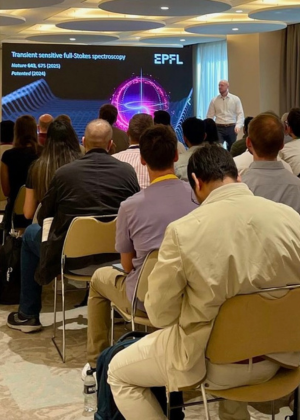
Development of an ultrasensitive polarization microscope with unprecidented spatiotemporal and energy resolution at record polarization sensitivity, in collaboration with the leading microscopy and optics manufacturer Zeiss.
Carl Zeiss AG
Chiral Light–Matter Control
Understanding and controlling chiral light-matter interactions in molecular semiconductors for polarization-resolved organic optoelectronics.
EPFL Institute of Chemical Sciences and Engineering
Our results and highlights
1
Publication in the premier global research outlet: Nature. Celebrated as the most important journal globally across all scientific disciplines, our recent publication in Nature on a broadband sensitive polarization detection scheme highlights the importance of our work beyond just the immidiate research field we work in.
2
Sascha has won the Wiley Young Innovator Award and was named a C&EN Talented 12, two of the most competitive early-career research awards worldwide.
3
Sascha was awarded an ERC Starting Grant by the European Research Council – the most prestigious award in Europe. He also was awarded an international MAPS grant, an SNSF project funding grant, and a Swiss-Korean Quantum grant.
4
Two patents were filed regarding a) a new formulation for ultrabright QLED displays and b) an ultrasensitive polarization detection scheme.
We enable energy production & consumption applications with unprecidented energy conversion efficiencies. All devices based on semiconductors in modern society would operate based on cheaper to manufacture materials, yet at higher efficiency.
2
Valais in particular is affected very strongly by the consequences of climate change. The outlook of sustainable renewable energy sources based on cheap yet efficient photovoltaics is of key interest for the future development of this canton.
3
Industry partners at large benefit from the IP we create regarding more energy efficient solar cells and ultra-bright display materials.
Perspectives and challenges
Priority 1
Lead-free halide perovskite semiconductor development with enhanced efficiency and stability
Priority 2
Commercialication of an ultrasensitive polarization microscope
Priority 3
Enabling achiral molecular materials to be imbued with chiral properties.
Main challenges
Stability issues in lead-free halide perovskite materials (high trap density) -polarization artifacts in optical components – absence of a mechanistic understanding of chirality induction mechanisms
Future Partnerships
Quantum information technology companies interested in novel material platforms for qubits – Solar cell companies interested in novel material platforms which are cheaper, flexible and more efficient than silicon -microscopy manufacturers interested in the highest possible polarization contrast
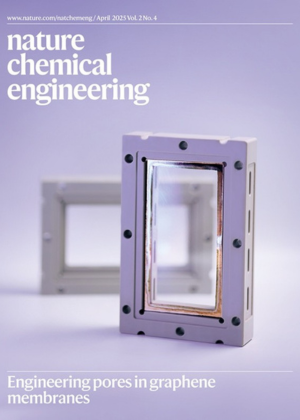
Developing next-generation separation technologies that use less energy and are more sustainable, particularly for gas and liquid purification for application in energy and environment.
Research topics
1
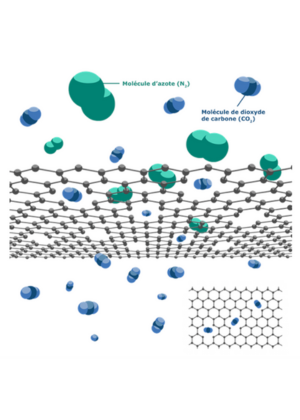
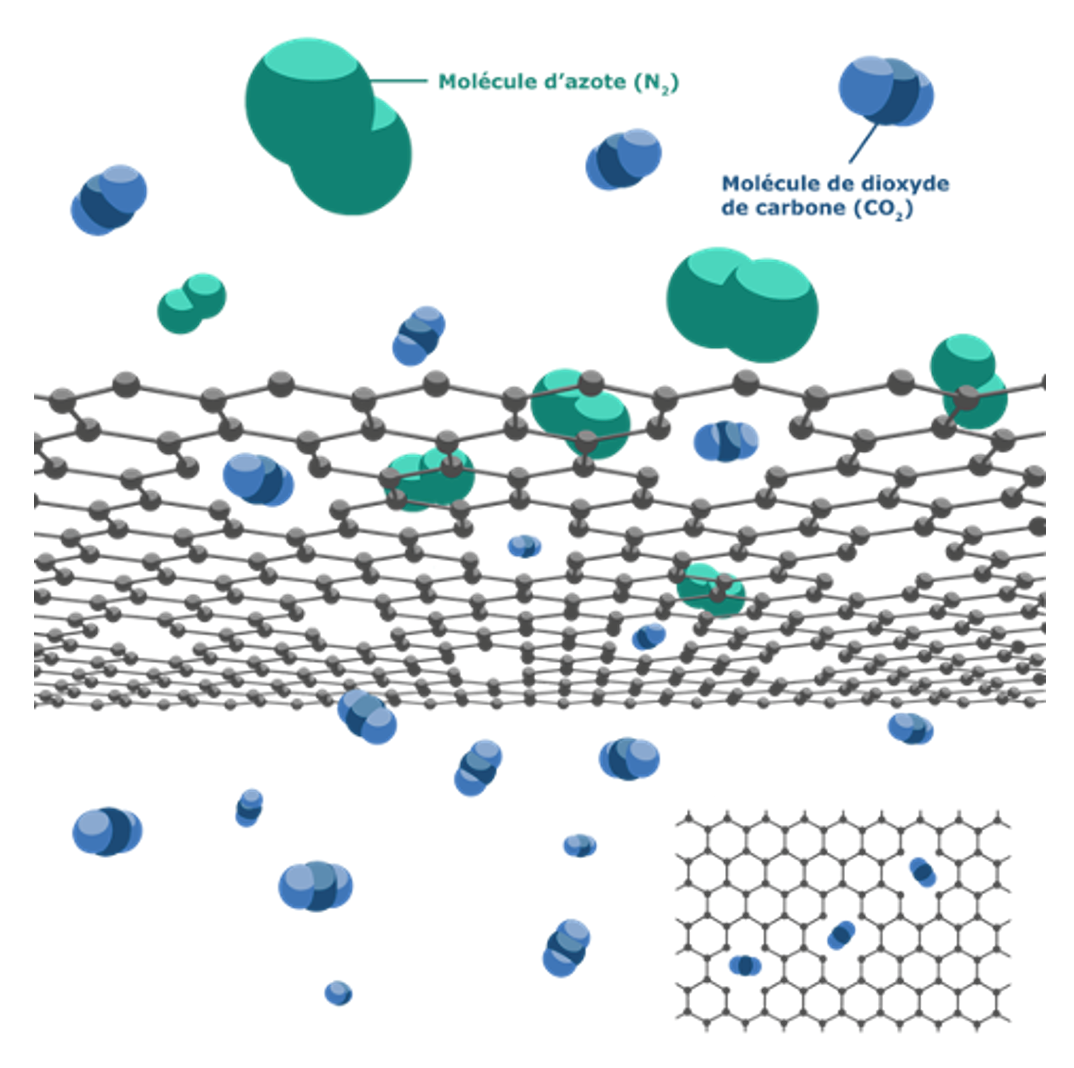
Energy-efficient CO₂ capture: We develop innovative membranes that can selectively capture carbon dioxide using much less energy than conventional methods.
2
Nanomaterials for clean separations: Our team designs atom-thin nanoporous materials that enable precise separation of gases and liquids at the molecular scale.
3
Scalable and sustainable membrane technologies: We work to translate our discoveries into practical, industrial-scale solutions that support cleaner and more sustainable chemical processes.
Our key projects
Graphene CO₂ Capture
CO₂ Capture with Atom-thin graphene MembranesDeveloping graphene (a Nobel prize winning material) based membranes that can selectively capture carbon dioxide with minimal energy use, supporting efforts to mitigate climate change.
GAZNAT, Shell, Academic collaborators at EPFL and other Universities
Ultrathin MOF Membranes
Ultrathin Crystalline Nanoporous Materials (MOFs) for Gas SeparationDesigning innovative thin films of MOFs (a Nobel prize winning material) that can distinguish between gas molecules at the atomic scale, offering breakthroughs for hydrogen purification and clean energy.
Academic collaborators at EPFL and other Universities
Scalable Membrane Fabrication
Translating lab discoveries into industrial prototypes. A highlight is capture of CO2 from Enevi waste incineration plant at the rate of 1 ton CO2 per day by scaling porous graphene membrane, under a CCUS project funded by EPFL (Solutions4Sustainability, funding of 9 million CHF). Website: https://s4s-ccus.epfl.ch
GAZNAT, Enevi, Divea, Academic collaborators at EPFL and other Universities
Our results and highlights
1
The lab achieved major advances in creating ultrathin membranes — only a few atoms thick — that can efficiently separate gases such as CO₂ and hydrogen.
2
Prof. Agrawal received several international distinctions, including an ERC Starting Grant, NAMS Young membrane Scientist Award (2018), the AIChE FRI/John G. Kunesh Award (2021), recognizing his pioneering work in separation science.
3
LAS participates in national and European collaborations focused on sustainable energy and carbon-capture technologies, including partnerships with the Swiss National Science Foundation (SNSF) and ERC projects.
4
The laboratory spinoff Divea (incorporated in 2024) is active in commercializing the low-cost carbon capture membranes. Laboratory has filed 10 patent application. Several are granted. 7 of these have been licensed by Divea.
5
LAS’s work has led to high-impact publications, global collaborations, and growing recognition for advancing clean-technology solutions that can reduce emissions and energy costs. Divea is carrying field trials of graphene membranes. The research group has developed pilot-plant demonstrators in collaboration with Valais, SFOE, and GAZNAT.
Team & talents
Lab team size
The LAS currently brings together around 20 researchers, including PhD students, postdocs, and engineers from more than ten countries.
Introducing a specific team member
We would like to highlight Dr. Jian Hao, a senior scientist at LAS, who plays a key role in developing next-generation membranes for CO₂ capture and gas separation. His expertise in nanomaterials and thin-film fabrication is central to transforming laboratory discoveries into scalable technologies.
Skills developed by the scientific team
Team members gain expertise in advanced materials synthesis, nanofabrication, and energy-efficient separation technologies, as well as project management and interdisciplinary collaboration.
Other
The lab strongly promotes diversity, mentoring, and an inclusive working culture that encourages creativity and innovation.
Regional and social impacts
1
Our research supports the global transition to low-carbon technologies by making CO₂ capture and purification processes more energy-efficient and affordable.
2
Based in Sion, the LAS strengthens the local innovation ecosystem, attracts international talent, and contributes to positioning Valais as a hub for clean-technology research.
3
By developing scalable and cost-effective separation technologies, the lab helps industries reduce energy use and emissions while improving their competitiveness and sustainability.
Perspectives and challenges
Main opportunities
LAS aims to expand the application of its advanced membrane technologies to large-scale CO₂ capture and clean hydrogen production. There are strong opportunities to strengthen links with industry and contribute to Switzerland’s transition to a low-carbon economy.
Main challenges
The main challenge is to scale up these materials from lab prototypes to industrial systems while keeping production cost-effective and environmentally friendly. Bridging the gap between research and real-world implementation remains a key focus.
Future Partnerships
The lab seeks to collaborate with energy and manufacturing companies, as well as public institutions, to accelerate technology transfer and demonstrate the impact of advanced separations in sustainable industrial processes.
LNCE addresses energy and sustaibility challenges by addressing the fundamental key questions behind them. We use the tunability of well-defined nanocrystals to establish design principle of efficient and stable materials which store electricity and light into chemicals via conversion of low value molecules. We are particularly interested in the conversion of small molecules, especially CO2 and CO, expanding to fine chemicals. The goal is to create a more sustaiable chemical production.
Research topics
1
Colloidal chemistry
2
Electrocatalysis
3
Photocatalysis
Our key projects
Tulip
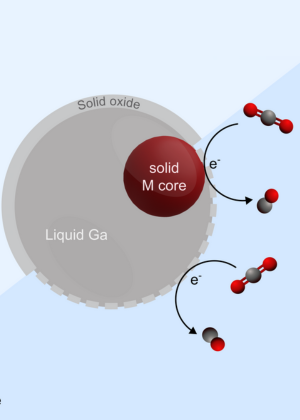
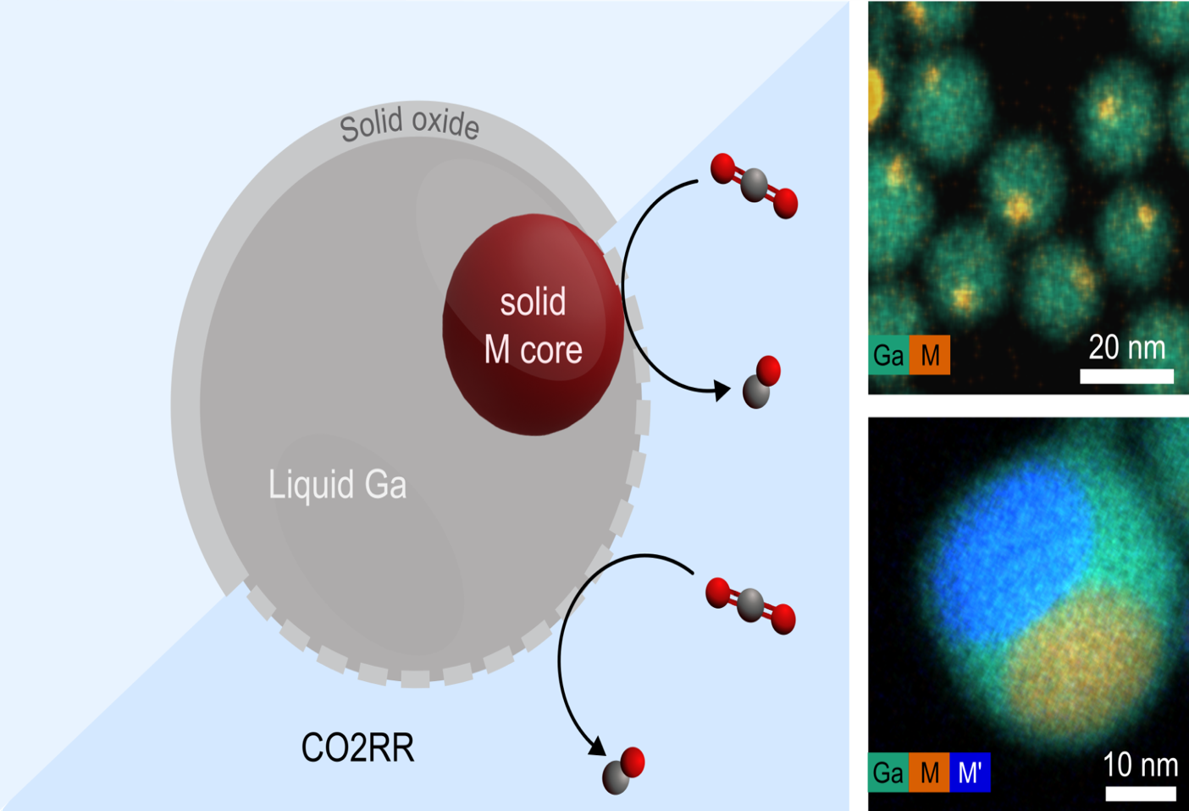
We develop a new class of nanoparticles for the conversion of small molecules based on liquid metals. The idea of using liquid metals instead of conventional solid metals is that they will not deactivate and offer industry stable catalysts for chemical conversion. This grant is an ERC Consolidator.
Design strategies for stable catalysts in CO2 electroreduction
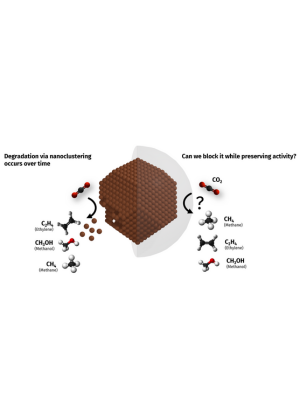
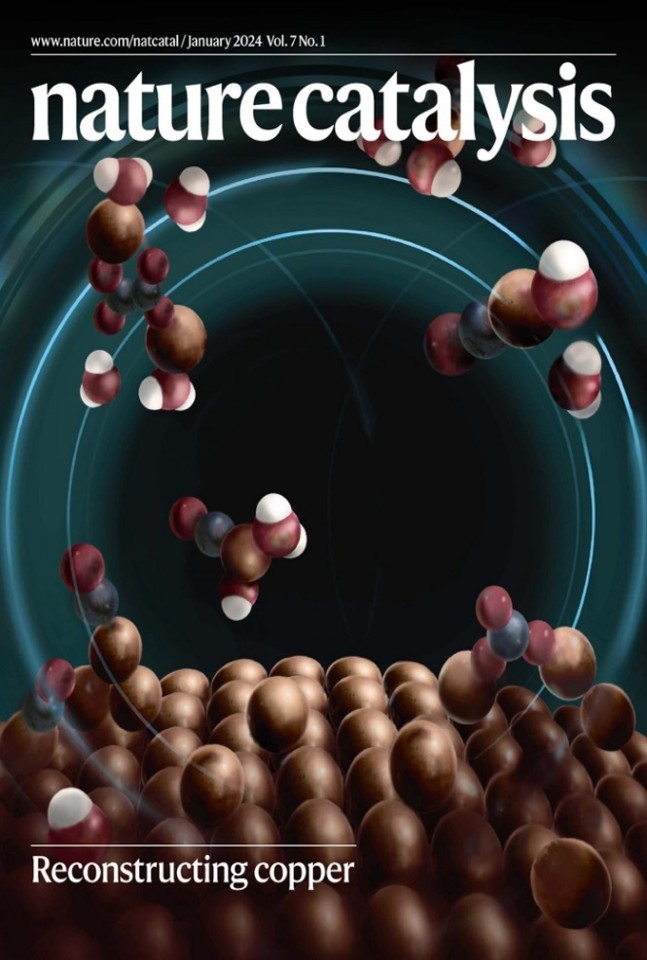
We develop strategies to create efficient and stable catalysts for converting CO2 into chemicals. These catalysts are based on copper instead of conventional precious metals.
Quantum dots for light-driven fine chemicals production
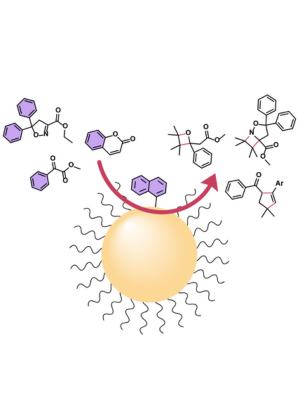
We develop light absorbing quantum dot materials to facilitate the production of fine chemicals using light.
This project is part of the big Swiss consortium NCCR Catalysis
European Chemical Society Lecture Award (2019), Swiss Chemical Society Werner Price (2021), Eastman Lecture in Catalysis at UC Berkeley (2023), Russel Lecture, Queen’s University, Canada (2023), American Chemical Society Inorganic Nanoscience Award (2024)
3
Tulip is an ERC Consolidator Grant
Team & talents
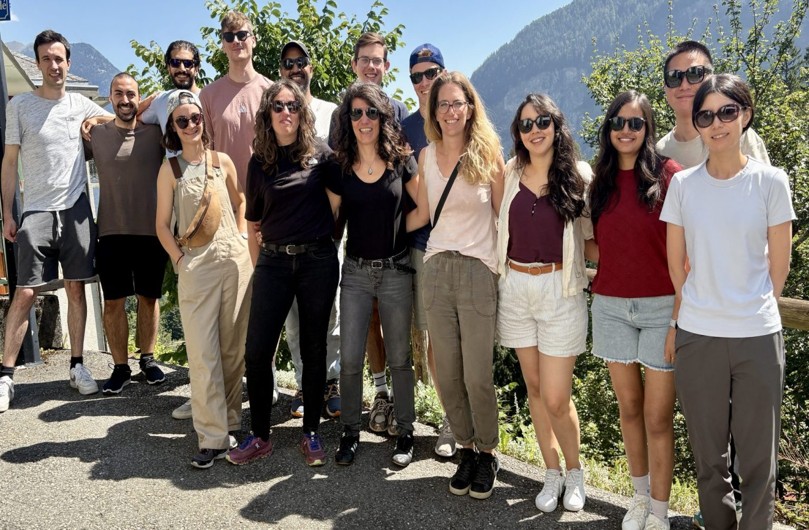
Lab team size
15
Skills developed by the scientific team
Sills learned include project management, decision making, public speaching, research writing, Q&A, how to be innovative and creative, use of data and electronic labnotebooks. These skills will be helful for any job afterwards.
Regional and social impacts
1
Contributing to a sustanaible society drives our activities. We are also strongly committed to education of students at all levels, which is crucial for society.
Perspectives and challenges
Priority 1
Advancing scientific fundamental knowledge which contributes to more sustainable society
Priority 2
Educate the next generation
Cookie policy
By continuing to browse this site, you agree to the use of cookies to improve your user experience and for the generation of visit statistics.
You can customise the use of cookies using the buttons below.