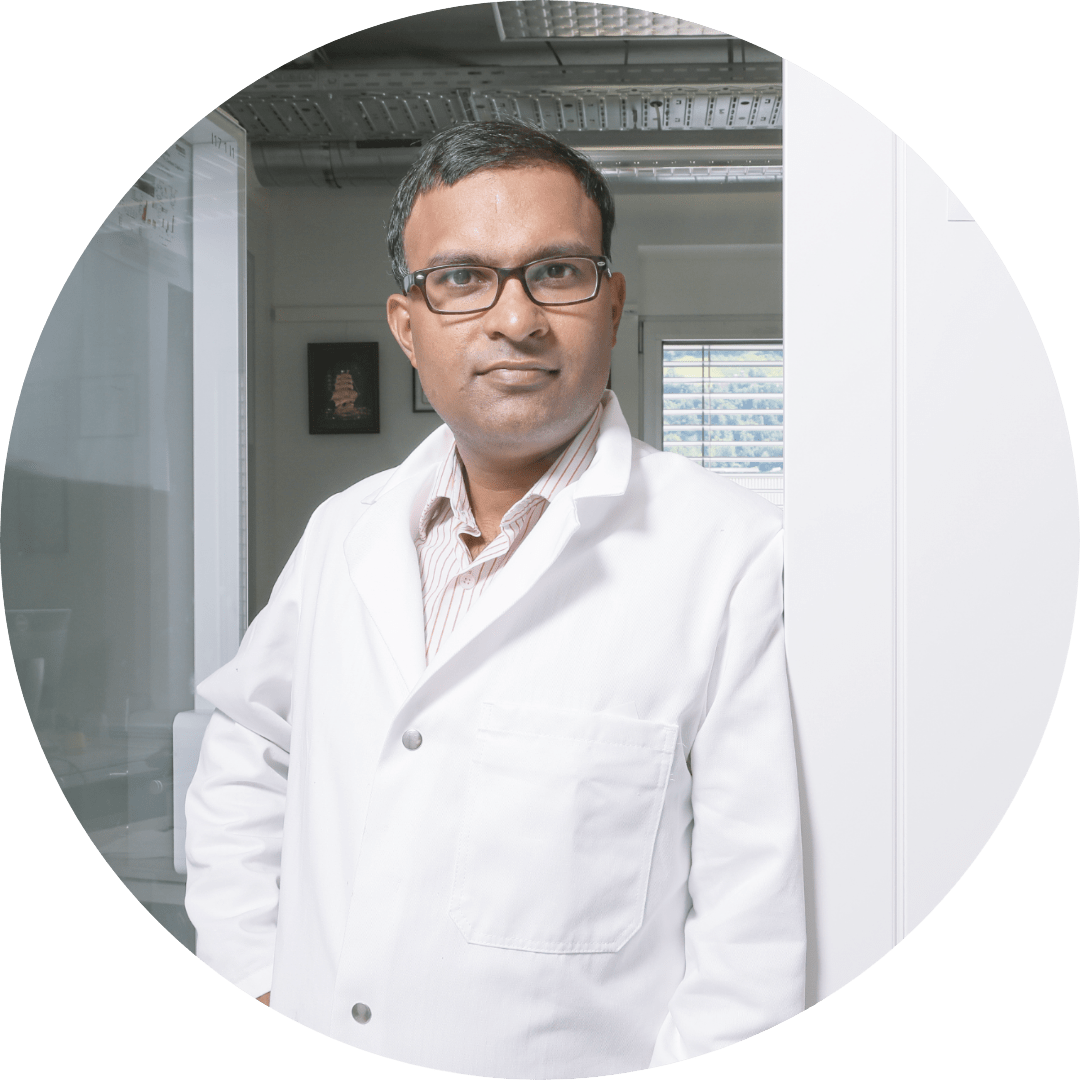

Prof. Meret Aeppli
Soil Biogeochemistry Laboratory (SOIL)
Soil Biogeochemistry
Our mission
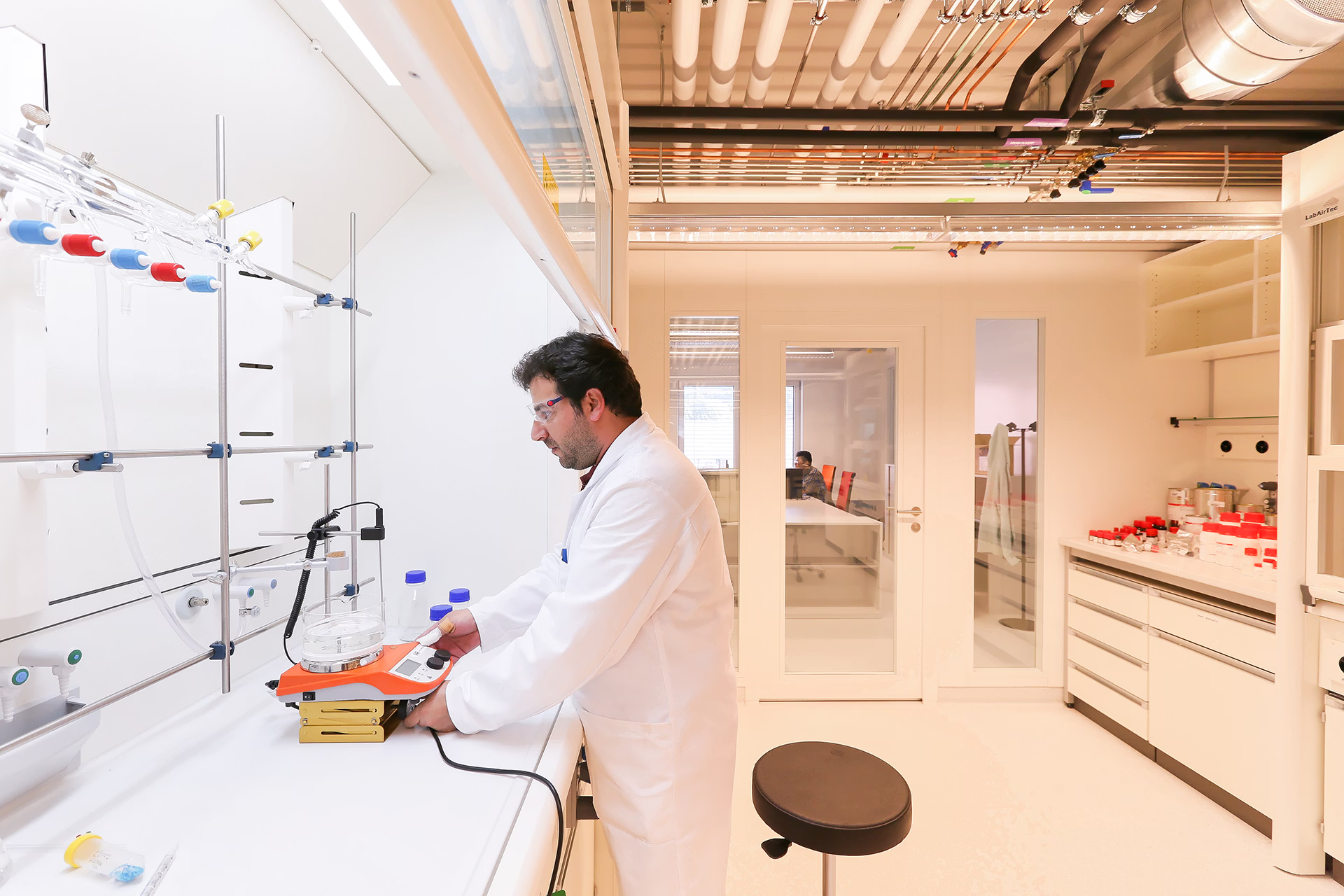
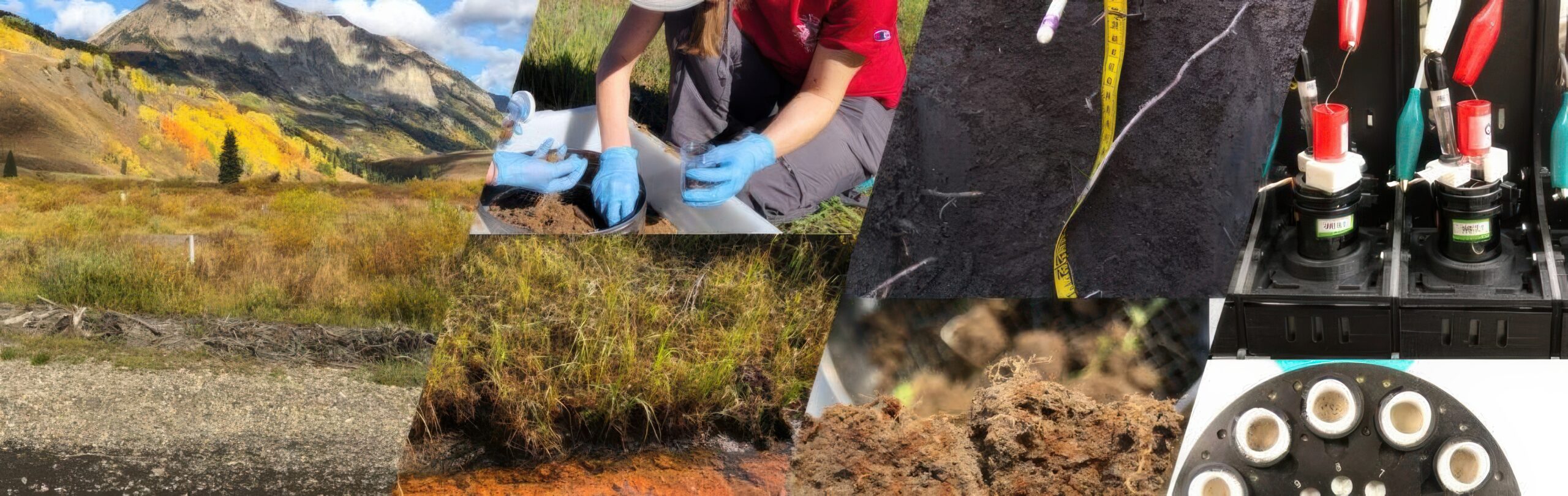
At the Soil Biogeochemistry Lab, we reveal how redox-driven processes govern carbon, nutrient, and contaminant cycling. Combining field observations with laboratory experiments, we build tools and models to predict ecosystem function and guide sustainable soil stewardship in a changing climate.
Research topics | |
|---|---|
| 1 | Mineral Redox Chemistry: Some tiny soil minerals (with iron and manganese) act like little batteries. We measure when they “give” or “take” electrons to predict how nutrients and pollutants change. |
| 2 | Soil Organic Matter Dynamics: Microbes eat dead leaves and roots for energy. We measure that energy to learn when carbon stays in the ground or turns into gases that affect our climate. |
| 3 | Sustainable Soil Management: Soils have tiny airless pockets where extra greenhouse gases can form. We map where and how strong these pockets are to help people grow healthy crops while keeping water clean and emissions low. |
Our key projects
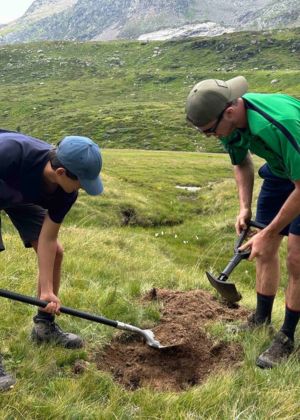
Mountain Soils
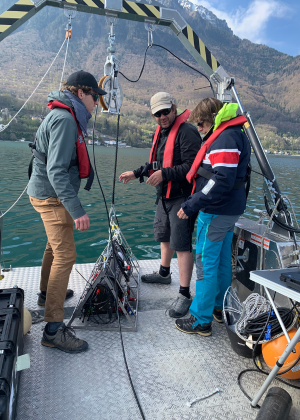
We map soil organic carbon across topographies in Vallon de Réchy and Binntal and pinpoint the chemical, physical, microbial, and geological drivers of where carbon accumulates. This helps predict how these stocks may change under future climate. More information: https://www.epfl.ch/labs/soil/soil-organic-carbon-in-mountain-soils/ and data: https://alpinesoc.epfl.ch/
University of Neuchâtel
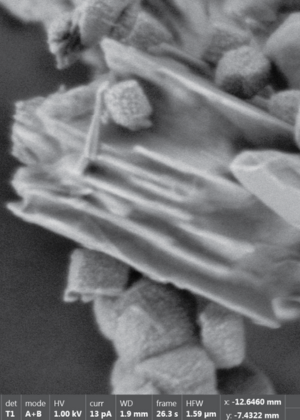
Manganese minerals
We measure how manganese minerals with different structures exchange electrons. Our findings help improve predictions of mineral-mediated reactions, including pollutant transformations. More information: https://www.epfl.ch/labs/soil/electrochemical-analysis-of-the-redox-properties-and-reactivity-of-manganese-oxides-strong/
University of California Davis Tongji University
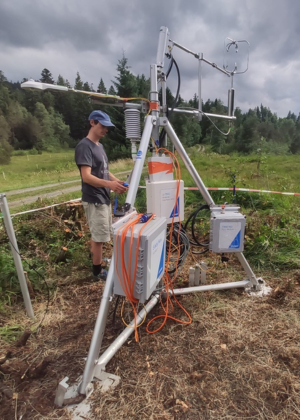
Soil management
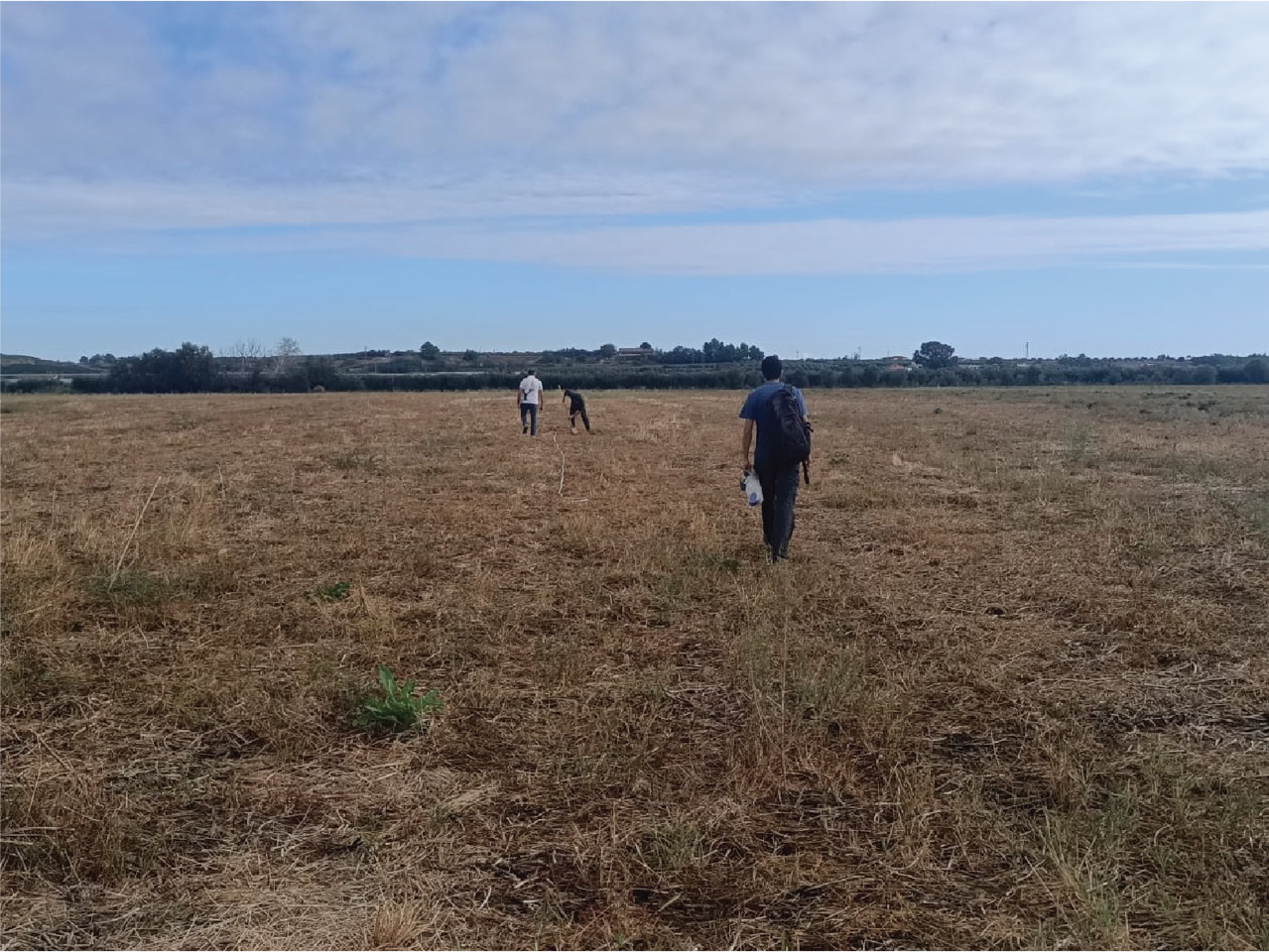
We test how no-till vs plowing change soil carbon storage. We work on ongoing field trials in Switzerland, Italy, and Brazil. Our results guide climate-smart farming. More information: https://www.epfl.ch/labs/soil/effects-of-tillage-practices-on-soil-carbon-sequestration-mechanisms/
University of Lausanne Agroscope Changins University of Basilicata University of Dschang
Our results and highlights | |
|---|---|
| 1 | Website with data for Vallon de Réchy and Binntal: https://alpinesoc.epfl.ch/ |
| 2 | Jin Jingfu Memorial Lecture Award. Awarded to Meret for contributions in the field of redox reactivity and role of soils in the global carbon cycle. |
| 3 | Project grant on “Monitoring Carbon Sequestration in Wetland Soils”, sponsored by InTent Foundation. |
Team & talents
4 PhD students, 2 visiting PhD students, 3 Postdocs, 1 admin assistant, 1 prof (status December 2024)
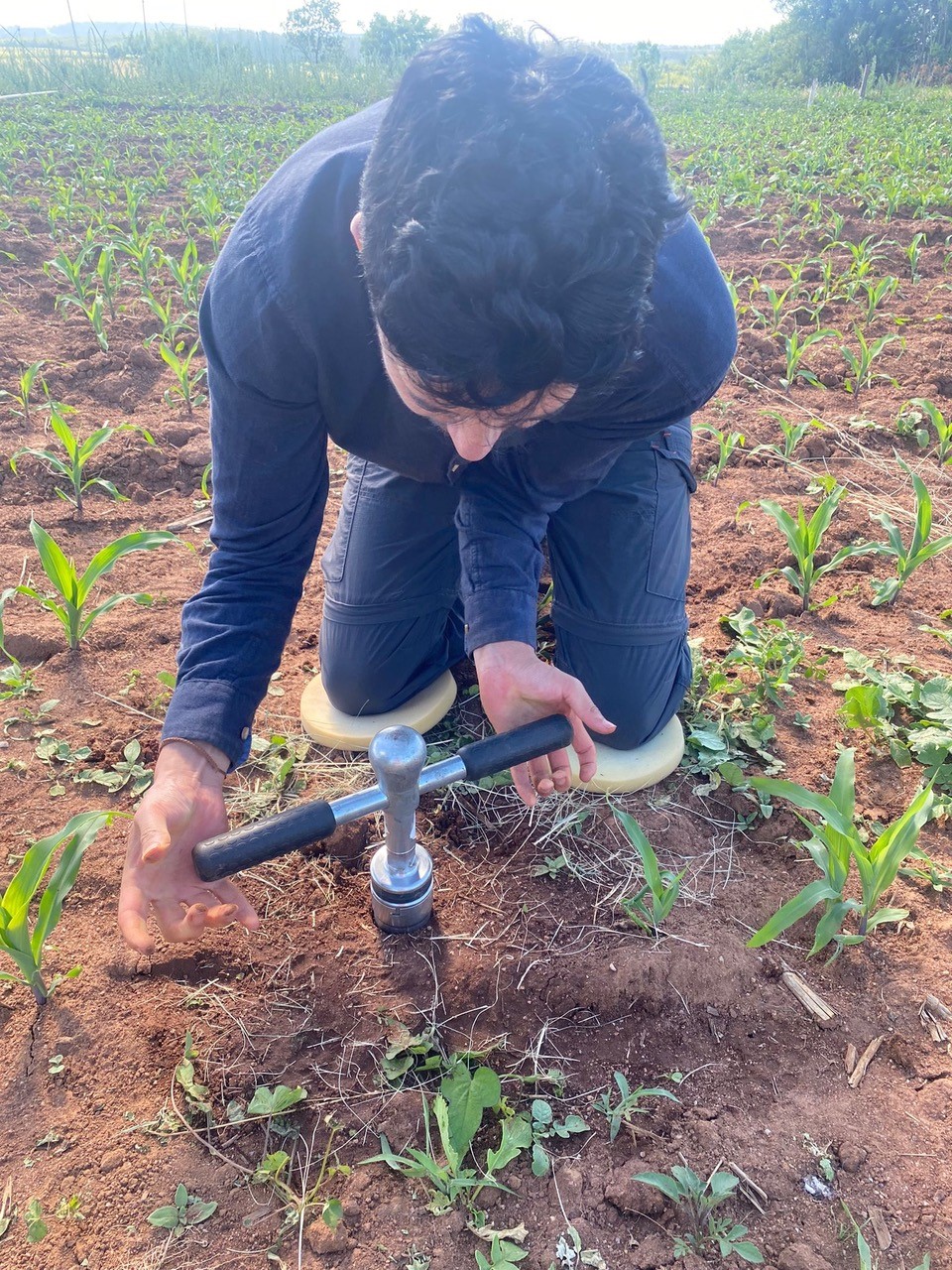
Bence Dienes: PhD student in the group since February 2022. Works on project on soil organic carbon in alpine soils. His work encompasses field work as well as laboratory manipulation experiments.
Project management and supervision, experimental and laboratory skills, experimental design, field skills, data management, communication skills.
Interdisciplinary team with backgrounds in environmental chemistry, pedology, environmental microbilogy, agronomy
Regional and social impacts | |
|---|---|
| 1 | By revealing how soils store carbon, purify water, cycle nutrients, and transform pollutants, our research turns molecular insight into tools for climate action, clean water, and resilient food systems—guiding policies and practices that protect people and nature. |
| 2 | Our research maps soil organic carbon stocks in valleys like Réchy and Binntal and identifies the drivers of their stability. These insights help anticipate how Alpine soils—and their organic carbon—will change as the climate warms. |
| 3 | We train students and interns in field methods, laboratory experiments, GIS/modeling, and project management & supervision, producing job-ready talent for environmental consulting, hydropower, agro-tech, and remediation companies. |
Perspectives and challenges
Main opportunities
‘Assess how snow-cover thickness/duration shifts Alpine soil carbon cycling.
Help agriculture adapt to hotter, drier summers (water retention, cover crops, tillage).
Improve soil modules in models to forecast local climate impacts.
Optimize wetland restoration for net carbon gains while managing methane.
Build open datasets & sensor networks for long-term Alpine monitoring.
Main challenges
Separating climate vs. topography/land-use effects on soil processes.
Harsh Alpine conditions: access, safety, and instrument reliability.
Scaling from micro-sites to catchments while tracking uncertainty.
Limited long-term data; harmonizing measurements and standards.
Integrating field, lab, and model results into actionable guidance.
Future Partnerships
Cantonal agencies and land managers