
MER Jan Van herle
GEM Group of Energy Materials (STI-SCI-JVH)
Electrochemical Engineering
Our mission
Conception, design, fabrication, assembly, testing, diagnostics, analysis and modeling of fuel cells and electrolysers from Watts to 100 kW, in both high temperature ceramic (750°C) and ambient temperature polymer (20-70°C) technologies, for both natural and renewable fuels.
Research topics | |
|---|---|
| 1 | Understanding of the long-term durability of fuel cells and electrolysers, separating and quantifying the various performance degradation processes with time. |
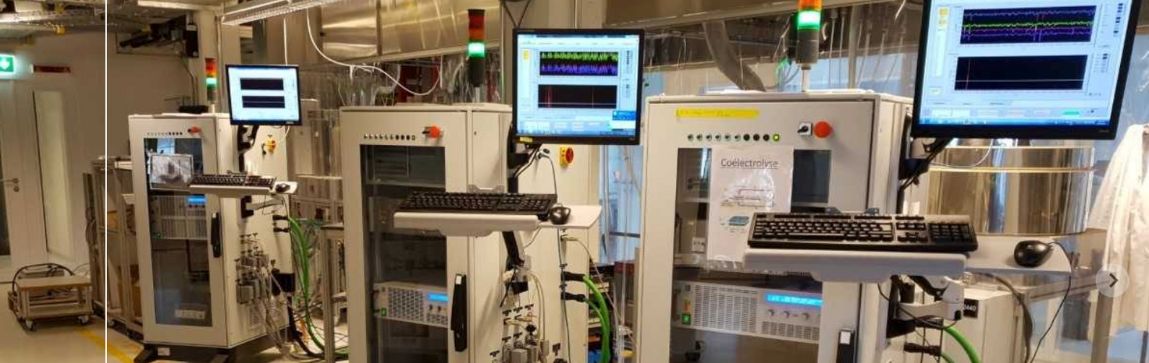
| 2 | Designing, fabrication and buiding of fuel cell/electrolyser components and of dedicated test equipment, in particular for in situ measurements. |
| 3 | Multi-physics multi-scale modeling, from micrometric interfaces to complete systems, to support the design (axis 2) and performance understanding (axis 1). |
Our key projects
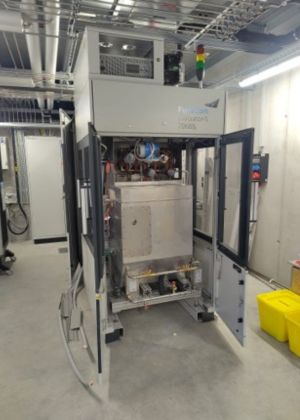
Reversible-CH4
We develop a complete pilot installation to demonstrate real seasonal storage of renewable electricity to methane injected into the gas grid, using a reversible fuel cell/electrolyser system (10/30 kW), with negligible emissions. Full operation expected in 2027.
SolydEra (VD), HES-SO-Sion Despraz (VD) SP Groups (VS VD GE), Oiken (VS), Gaznat (VD)
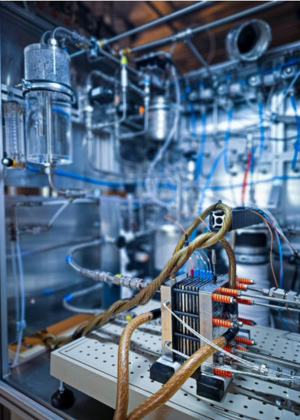
AMY
A novel type of alcaline membrane water electrolyzer, free of critical materials, and of high power density (1 A/cm2, 5 kW/L), is developed and validated within our lab.
Canton VS GEM start-up
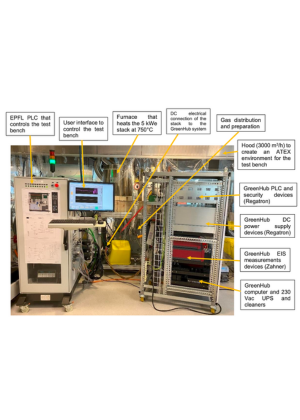
GREENHUB
Dedicated equipment is developed to measure the impedance of electrolysers at high current (300 A) and power (20 kW), to obtaining clean signals, allowing for detailed data analysis, and for linking results with smaller scale laboratory impedance measurements.
Innosuisse Flagship SolydEra (VD)
Our results and highlights | |
|---|---|
| 1 | Our following findings were published for the first time in the scientific literature: |
| 2 | The EU project SWITCH, with EPFL participation received an International Energy Agency Award (https://www.ieahydrogen.org/hydrogen-tcp-awards/ |
| 3 | 4 new EU projects were granted, 3 in collaboration with HESSO. All projects obtained scores of 14/15 and higher. Overall success rate was 12%. This maintains GEM as the No.1 lab of EPFL in EU grants. |
| 4 | 2 patents filed, 1 start-up in creation |
| 5 | Starting a new activity in biocatalysis to convert liquid waste effluents into fuels, using bacterial catalysts grown on electrodes. |
Team & talents
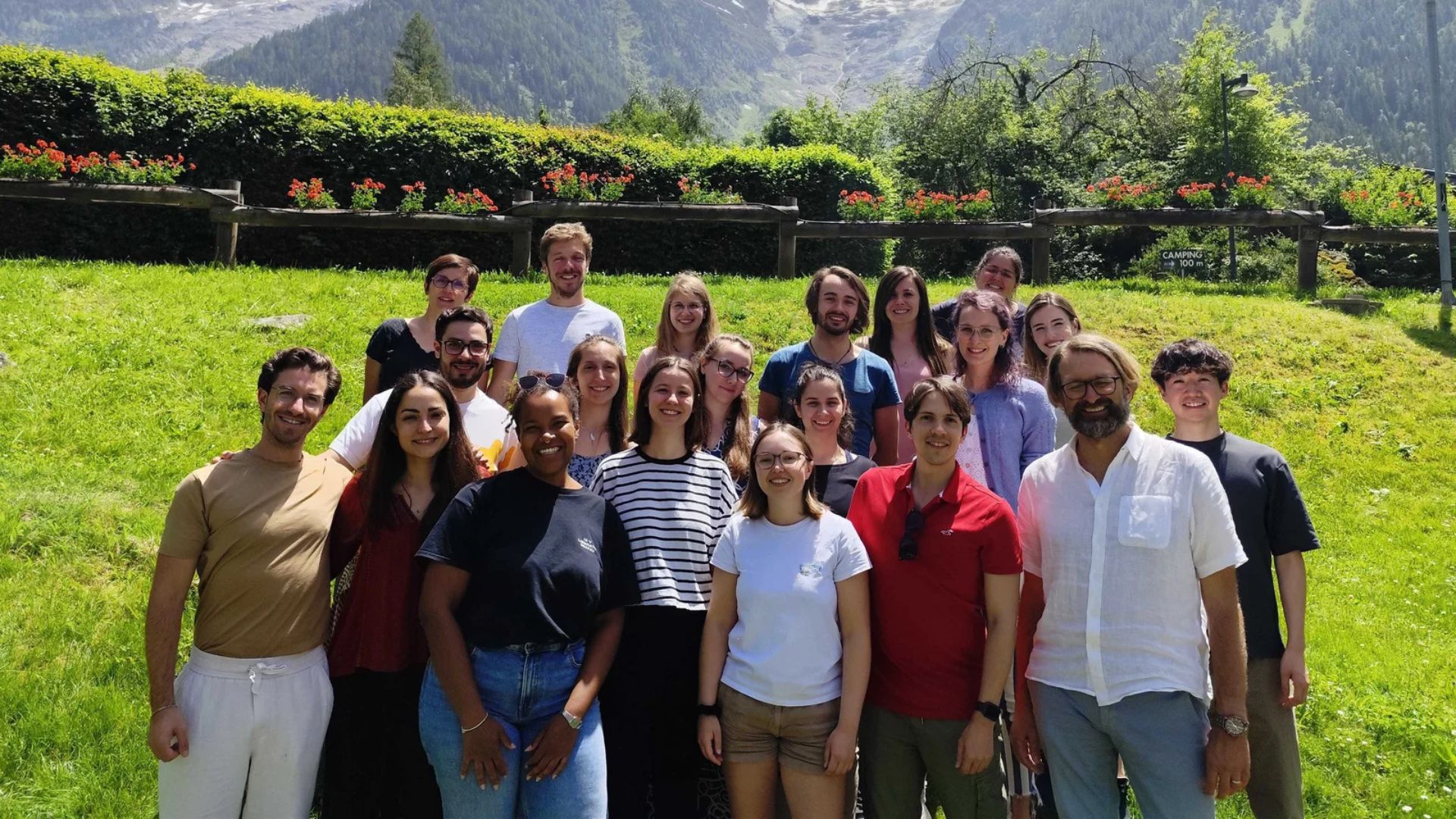
20 members + 10 master students + 3 guest PhD students
The GEM lab is composed of 1/3rd PhD students, 1/3rd scientists, 1/3rd engineers
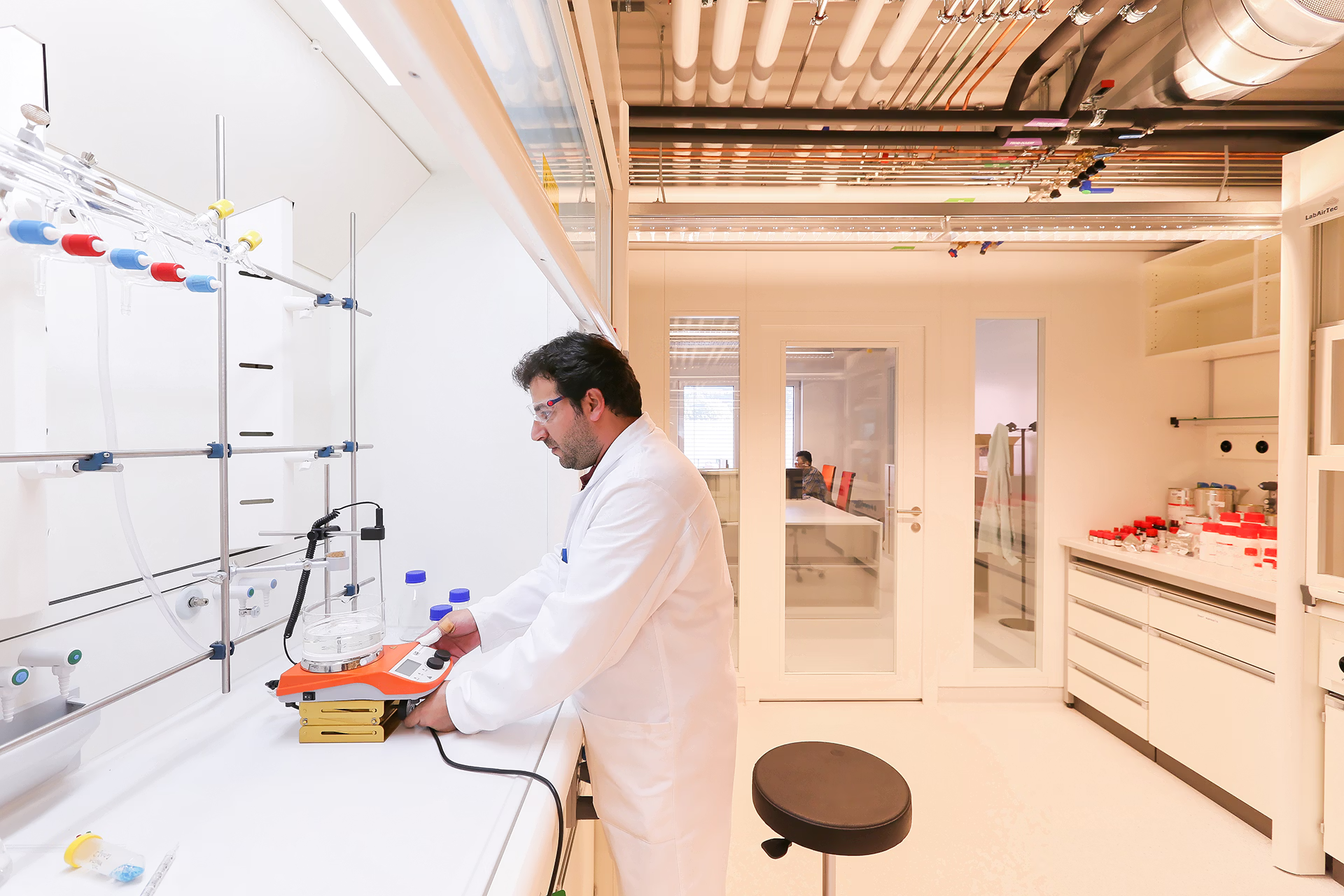
Getting hands dirty in buiding and testing devices and specific characterisation equipment.
Overheating the brain into learning softwares, underlying maths, and programming code.
GEM Team members learn self-responsibility, how to work in a team, to raise funding, to network, to collaborate with other academic and industrial entities, and the necessity of legal frameworks.
Regional and social impacts | |
|---|---|
| 1 | Storing excess electricity into fuels for later clean and efficient reuse helps in making us less dependent on winter electricity import, which will become even more crucial if nuclear power is phased out. |
| 2 | Our seasonal storage pilot installation will be a first-of-a-kind hardware demonstration without simulating any component. |
| 3 | Our lab trains engineers into tomorrow’s technologies that define and shape the energy transition. Affordable available energy (clean and efficient) is a backbone of a productive industry and of a stable supportive society. |
| 4 | We initiate 15-20 new master students per year into our activities via direct project work. |
Perspectives and challenges
Main opportunities
-Demonstrating full seasonal storage feasibility with reversible power-to-gas-to-power and the gas grid
-10/30 kW installation in Energypolis and 50 / 150 kW installation in Aigle with Gaznat and SolydEra
-Developing compact footprint alcaline water electrolysis
-In house fabrication of components
-Develop biogas as indigenous resource (it has >5-fold potential of current use)
Main challenges
-Funding cuts and ferocious funding competition
-Lack of test and fabrication infrastructure space
-Produce liquid fuels from electricity and carbon-sources
-Europe’s harmful self-isolation in its energy transition choices.
Future Partnerships
-Reinforce the Gaznat-SolydEra partnership
-Partnerships with other fuel cell / electrolyser companies
-Alignment with the gas industry for CH4 as vector