Atmospheric Science
Clinical Neuroengineering
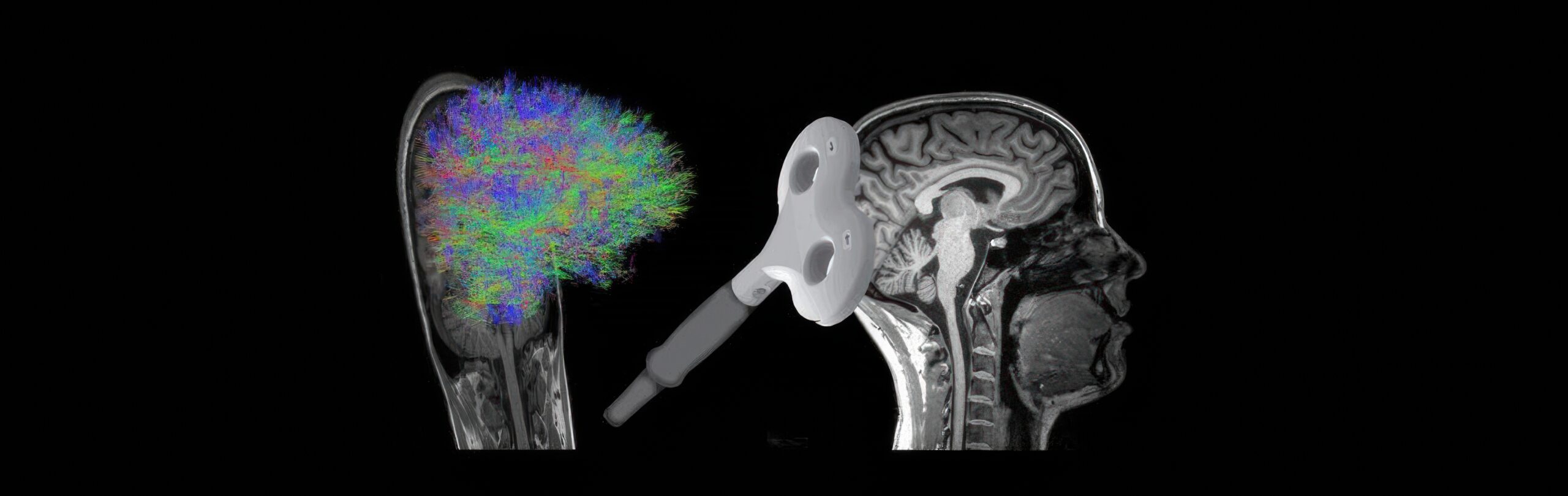
The Hummel Lab aims to advance personalized neurotechnological interventions that enhance recovery of sensorimotor and cognitive functions in individuals affected by neurological disorders such as stroke, traumatic brain injury, and neurodegenerative diseases. By combining mechanistic insight into brain function and recovery with the development of predictive biomarkers, our goal is to translate personalized innovative neurotechnologies from the laboratory bench to the clinical bedside.
Research topics |
|
|---|---|
| 1 |
Better understanding of motor and cognitive functions and how they are implemented in the brain and their changes with healthy aging leveraging cutting-edge multimodal brain imaging, electrophysiology and behavioral tasks. |
| 2 |
Better understanding neurological disorders using advanced brain investigation methods such as neuroimaging, electrophysiology, and brain stimulation to reveal how brain networks change in health and disease. |
| 3 |
Developing neurotechnology-based therapies to improve the quality of life of patients with neurological disorders, translating cutting-edge brain research into effective, personalized clinical interventions. |
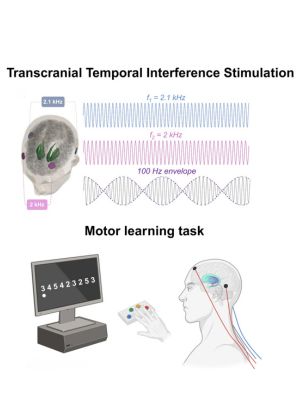
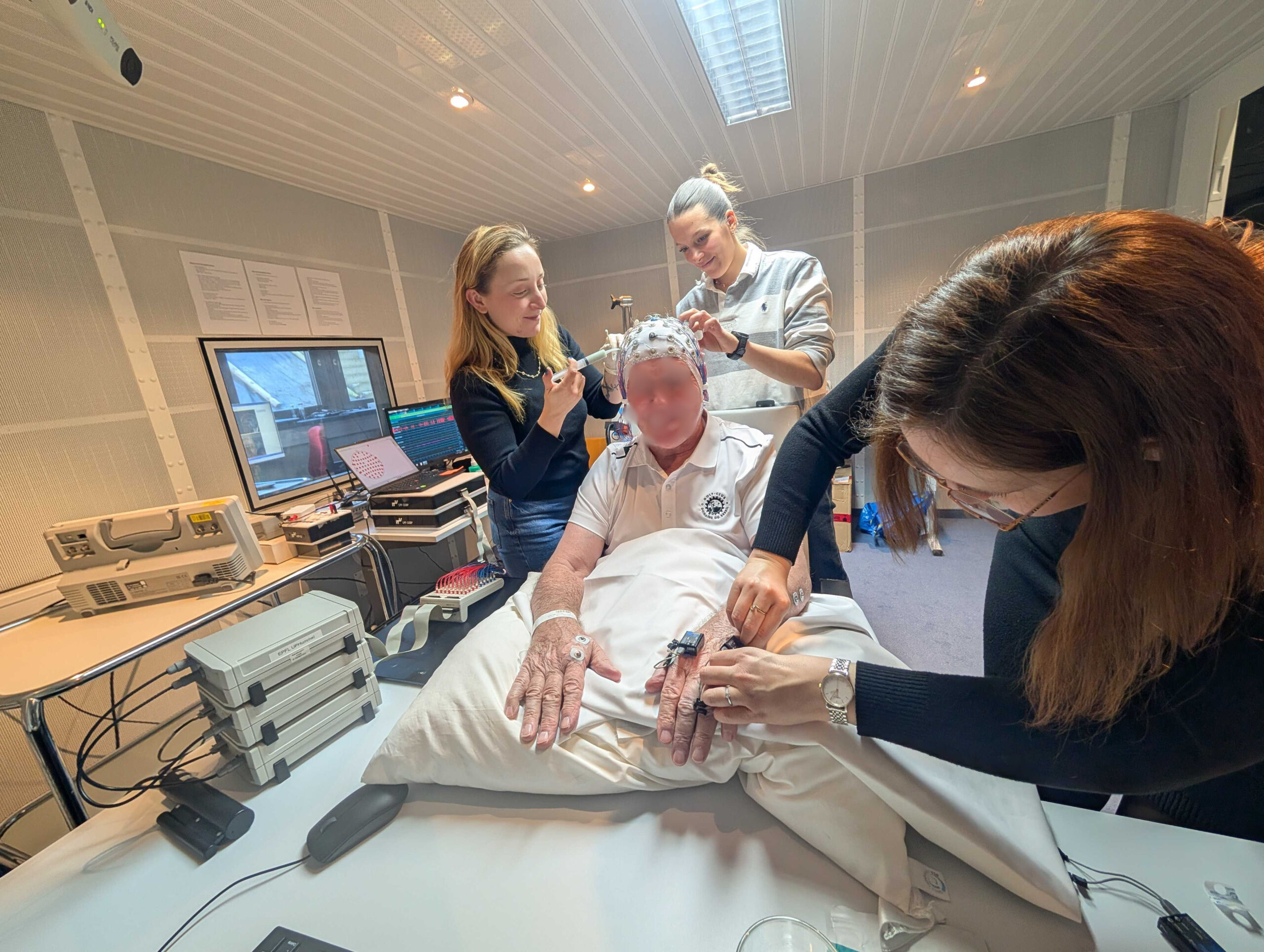
Having demonstrated striatal non-invasive deep brain stimulation for motor learning enhancement in healthy adults, we now extended findings to Traumatic Brain Injury and Mild Cognitive Impairment patients. Ongoing work targets more intensive protocols and stroke patients.
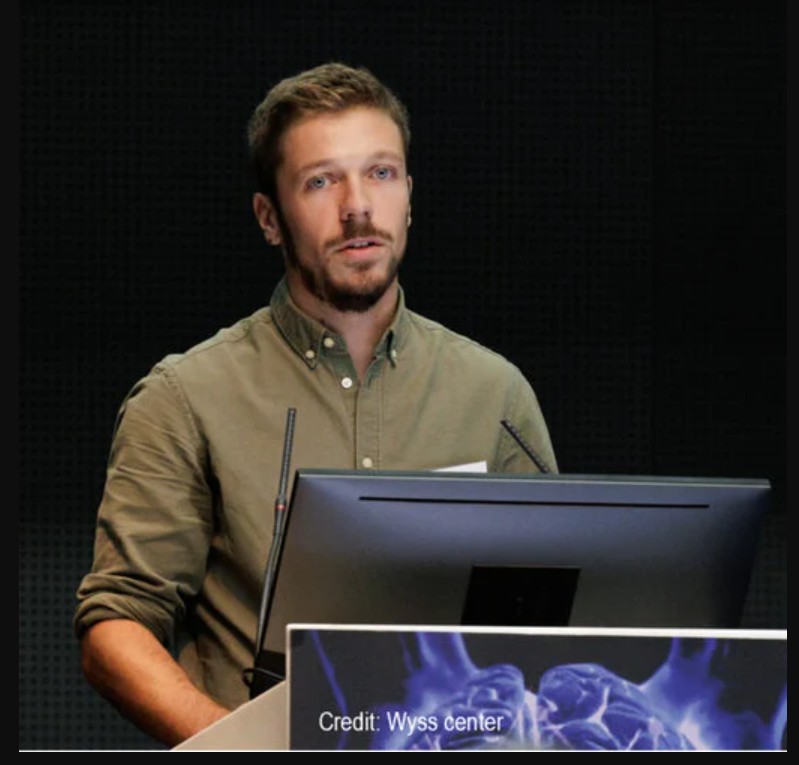
Academic Partners: Wyss Center, M. Wessel (Uni Oldenburg), E. Neufeld (ETHZ), IT IS foundation (Zürich), TI Solution (Zürich) and Clinical Partners: CRR, HVS, Berner Klinik.
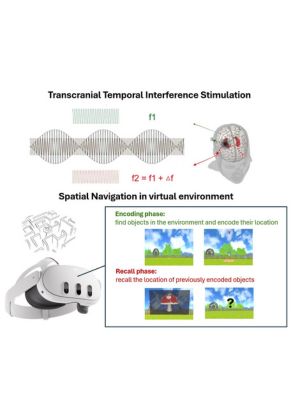
Using tTIS with concurrent neuroimaging and immersive virtual reality, we investigate how non-invasive deep brain stimulation of the hippocampus modulates memory processes underlying spatial navigation and face–name associations. We demonstrate that targeted hippocampal stimulation can enhance navigation performance, strengthen associative memory, and increase hippocampal activity, advancing mechanistic understanding of memory modulation and opening new avenues for clinical applications in traumatic brain injury and dementia.
Academic Partners: J. Moon (KIST), I.Rektorová (CEIT Brno), M. Wessel (Uni Oldenburg), M. Bassolino (HES), K.Schaller (HUG) and Clinical Partners: CRR, HES, HUG.
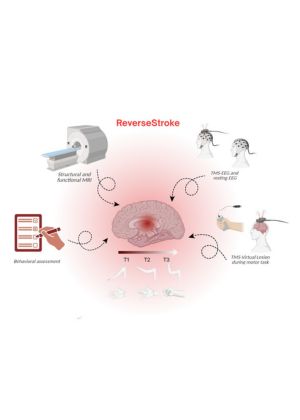
A longitudinal multimodal study within the Sion clinical–research ecosystem, characterizing changes in neural mapping of arm and hand movements after subcortical stroke using neuroimaging, electrophysiology, noninvasive brain stimulation and behavioral measures.
Academic Partners: G. Courtine (EPFL), Karolinska Institute and Clinical Partners: CRR, HVS, Berner Klinik, CHUV.
Our results and highlights |
|
|---|---|
| 1 |
Publication in Brain of “Boosting hemianopia recovery: the power of interareal cross-frequency brain stimulation”. Brain 17 November 2025. DOI: 10.1093/brain/awaf252 |
| 2 |
|
| 3 |
|
| 4 |
Pioneering non-invasive deep brain stimulation |
24 (2025)
• Developing advanced skills in: Non-invasive brain stimulation, Systems neuroscience, Neuroimaging, Electrophysiology methods
• Learning to think critically
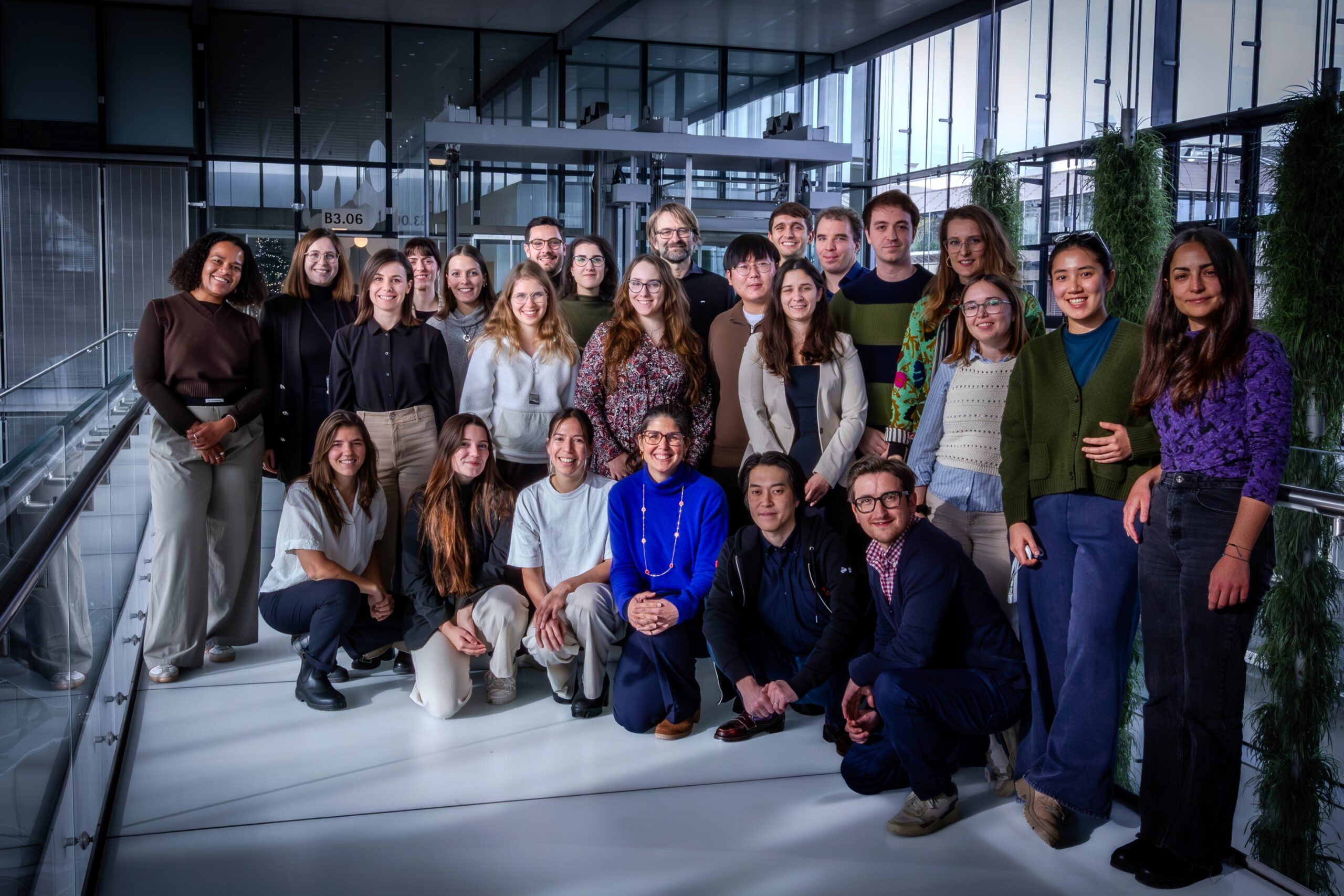
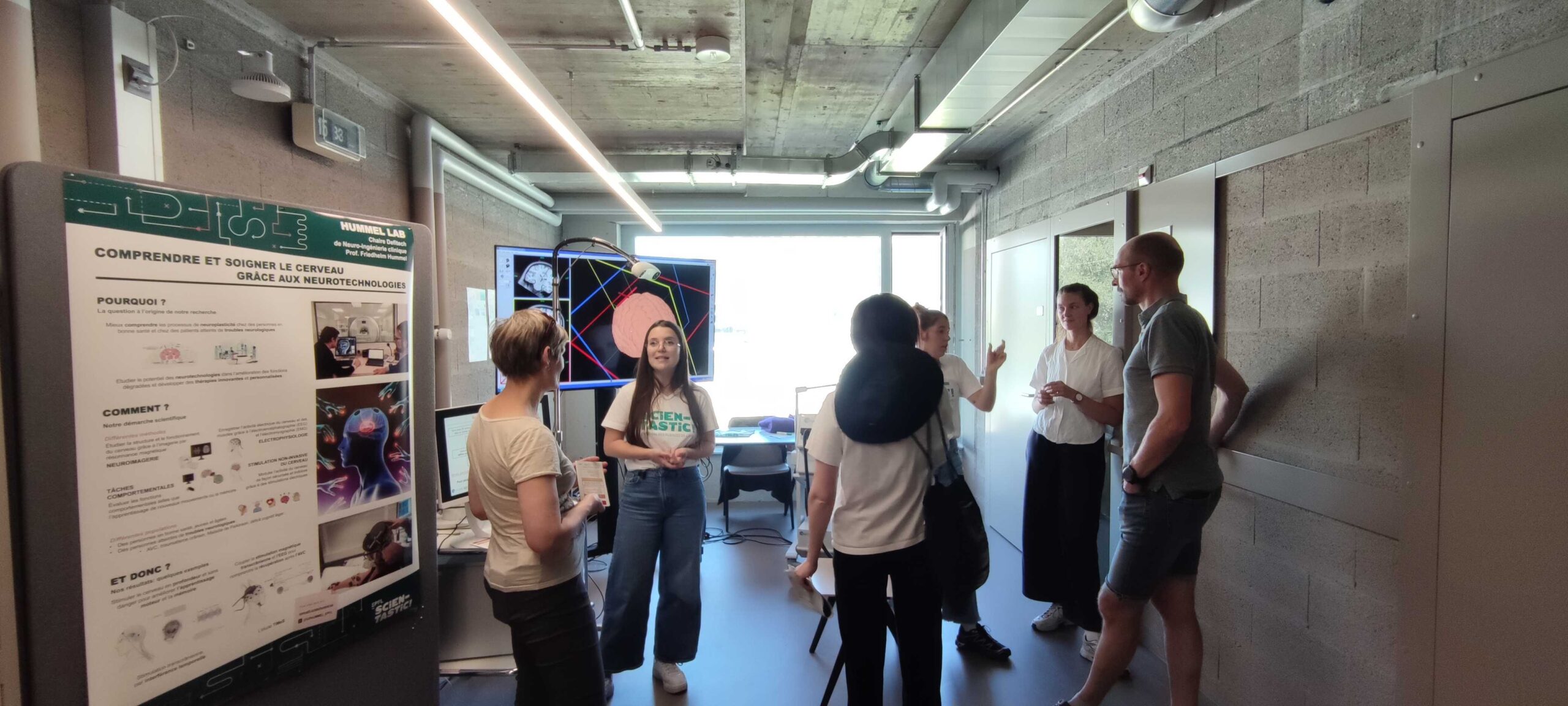
Our lab is actively involved in outreach and dissemination activities to engage with the broader community.
Additionally, we are committed to professional development, taking part in training days such as the Journée de Rééducation at Clinique Romande de Réadaptation and Hopital du Valais where we contribute to advancing knowledge inneurorehabilitation.
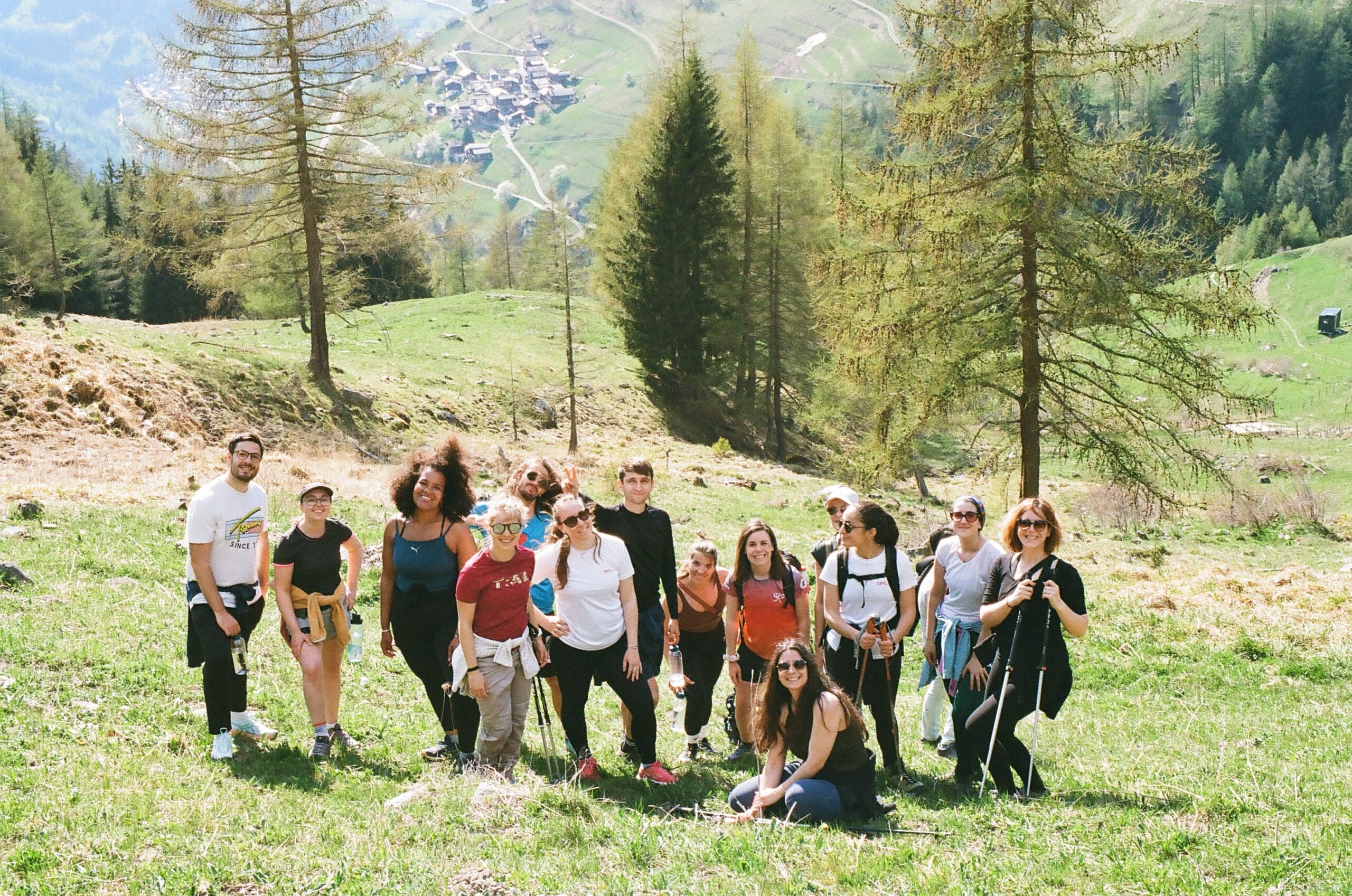
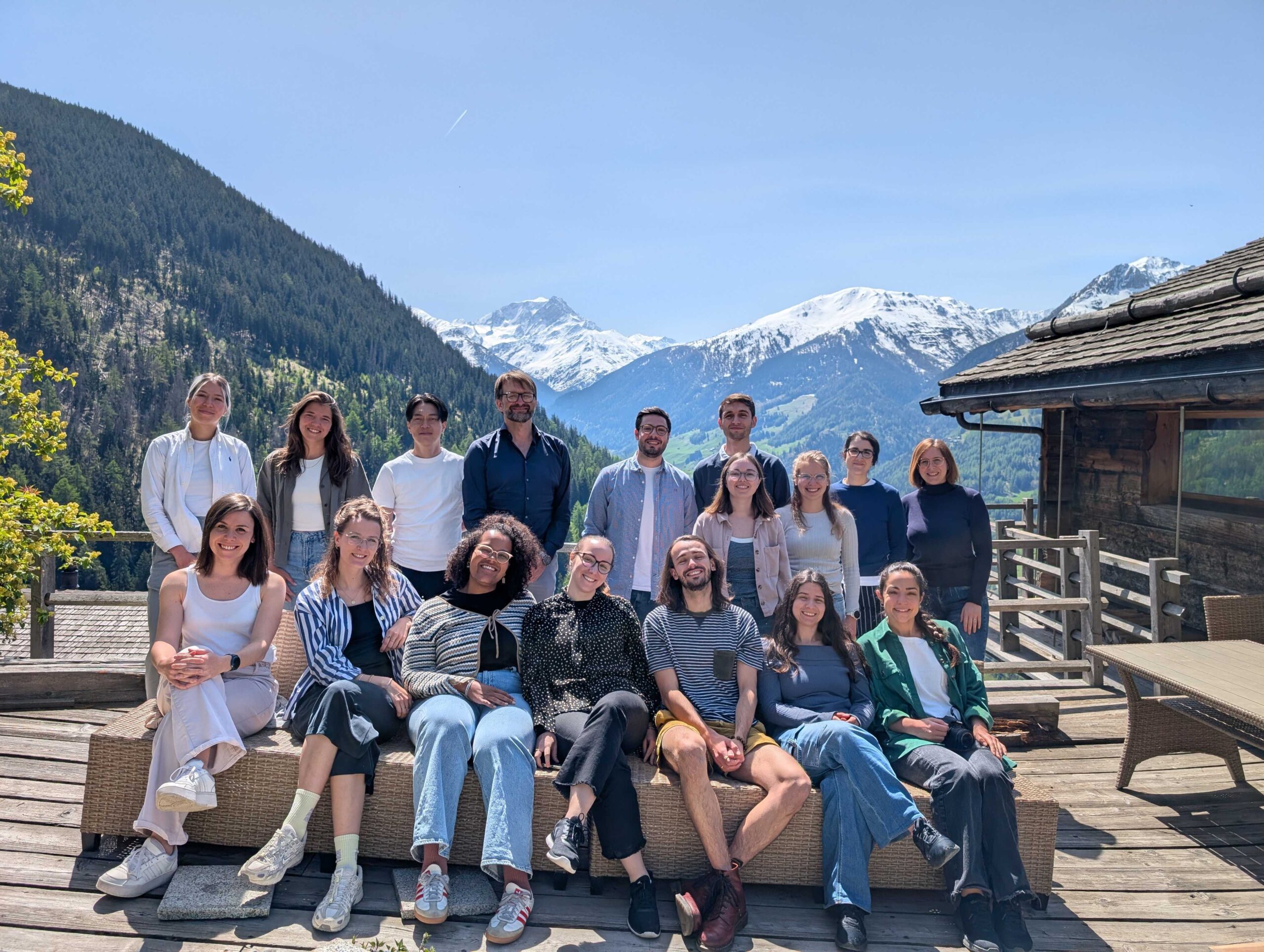
In Spring 2025, we have organized a lab retreat in Commeire, a beautiful alpine setting in Valais, which offered a valuable opportunity to step away from our daily routines and reconnect as a team. Surrounded by the mountains, we took time to reflect on what we have achieved together, and discussed the challenges and opportunities ahead. The retreat fostered open exchanges, fresh perspectives, and a renewed sense of collaboration, ending with a shared fondue enjoyed with a view.
Regional and social impacts |
|
|---|---|
| 1 |
Advancing our understanding of neurological disorders, such as Alzheimer, stroke or traumatic brain injury, to develop innovative neuro-technologies based rehabilitation methods to improve patients’ life and provide first proof-of-concept for clinical translation. |
| 2 |
Strenghtening the eco-systems of clinical translational research with clinical partners (HVS, CRR,…) and universities (HES-SO Valais-Wallis). Addressing core disorders impacting on health economics in Valais and develop novel treatment startegies. Strenghtening the clinical-translational eco-systems with clinical partners (HVS, CRR, Berner Klinik) and research institutions (HES-SO Valais, Sense, Spark). |
| 3 |
Paving the way to new treatments, if successful strong impact on health economy and health costs. |
| 4 |
Making Valais more attractive for translational neuroscientists, putting Valais on competitve map for translational neuroscience. |
Main opportunities
Main challenges
The distance between the main campus and Campus Biotech limits events, teaching, and collaboration; insufficient critical mass of neuroscientists and neuroengineers; challenges in patient recruitment.
Future Partnerships
Further collaborations within the Sion health, clinical, translational, and innovation ecosystem; the Pôle Santé will serve as an excellent incubator.