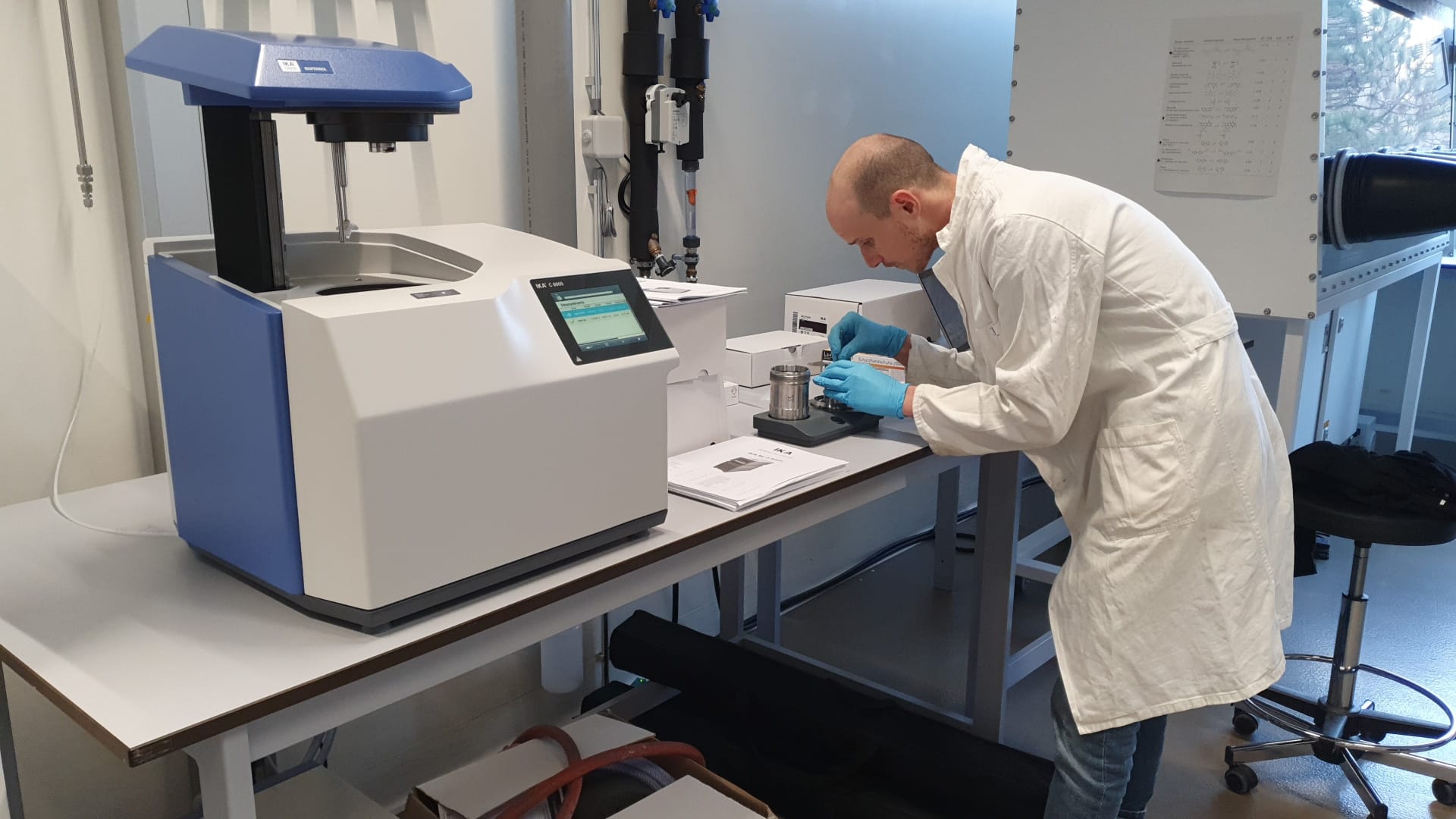
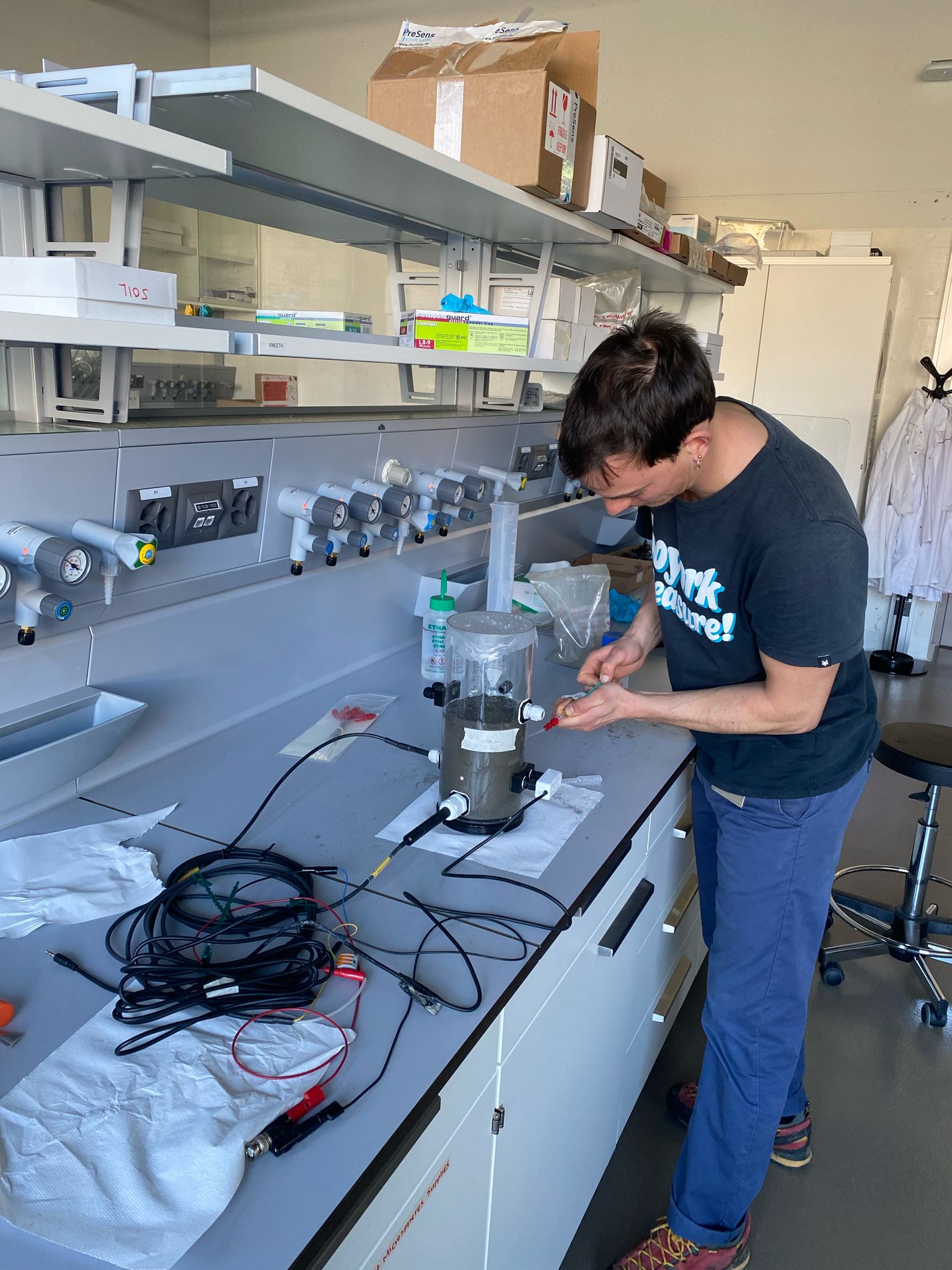
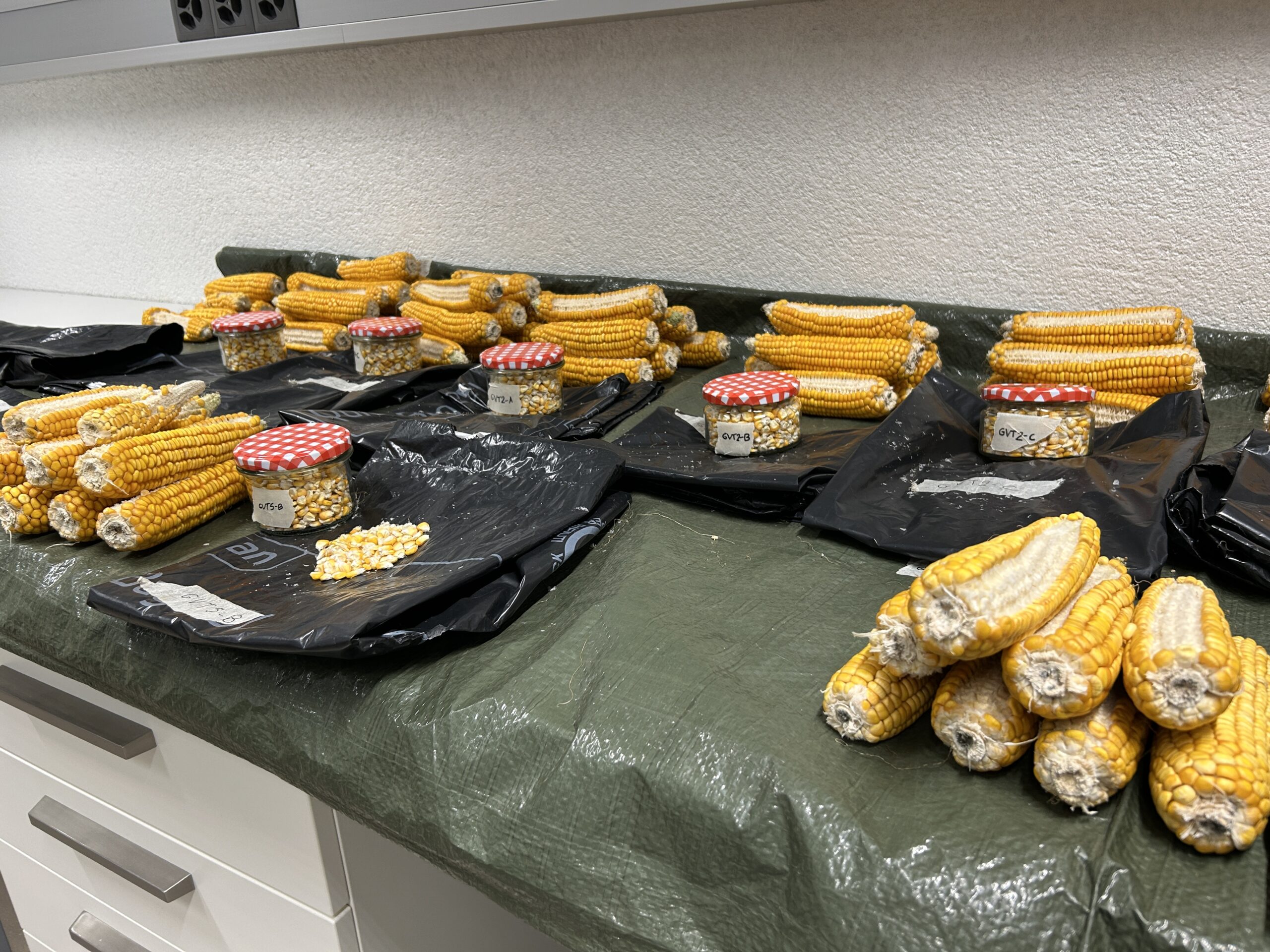
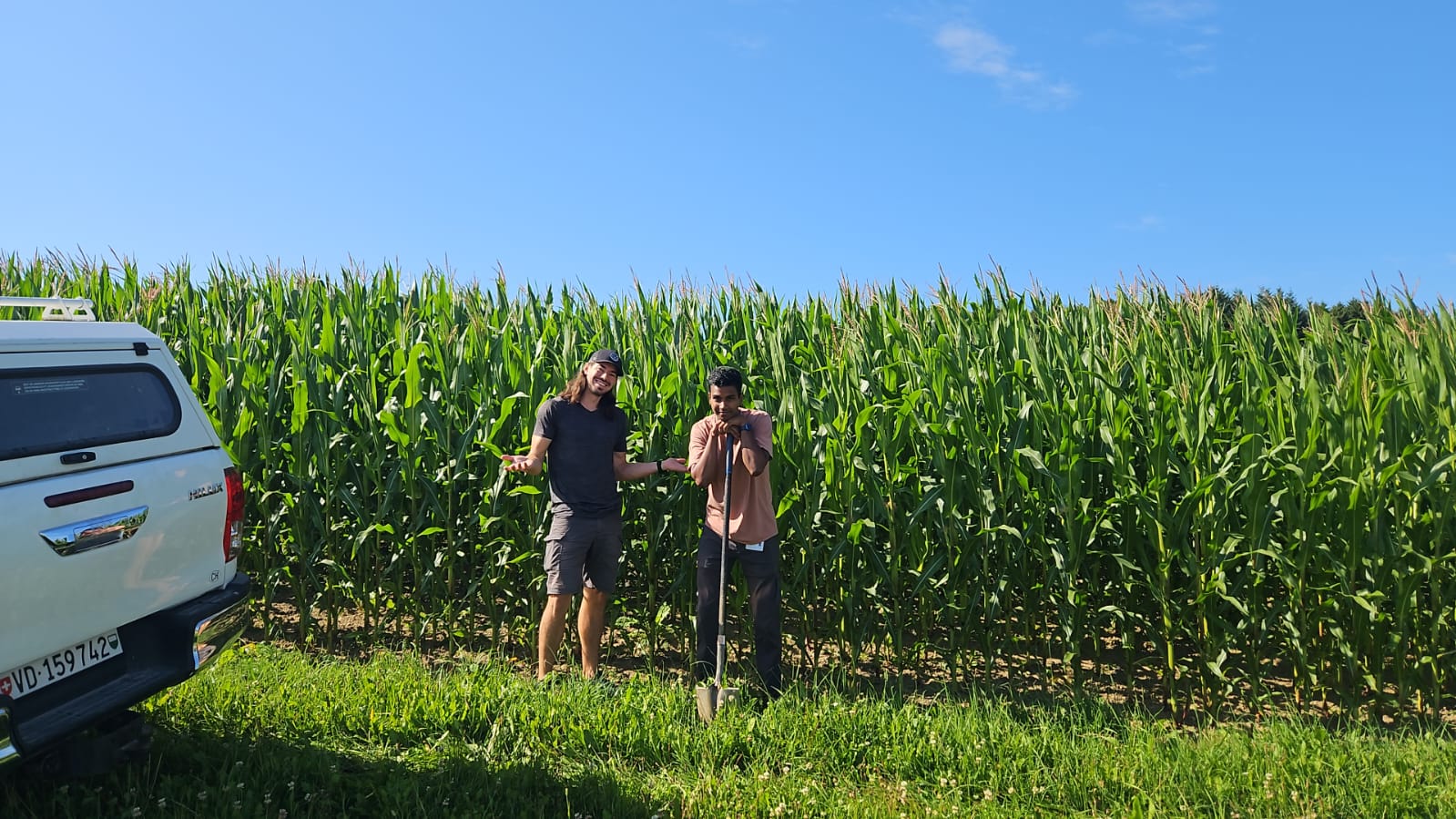
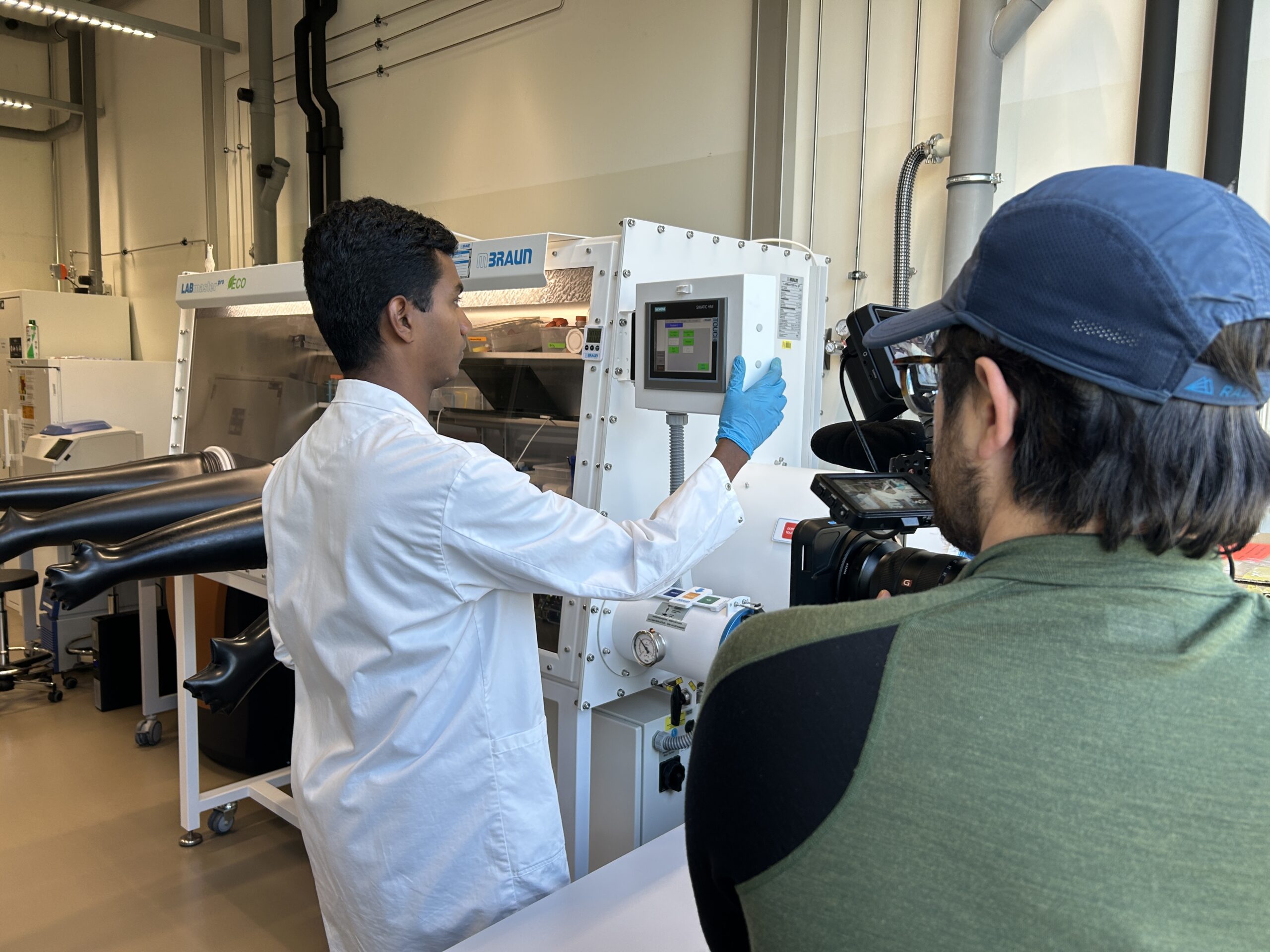
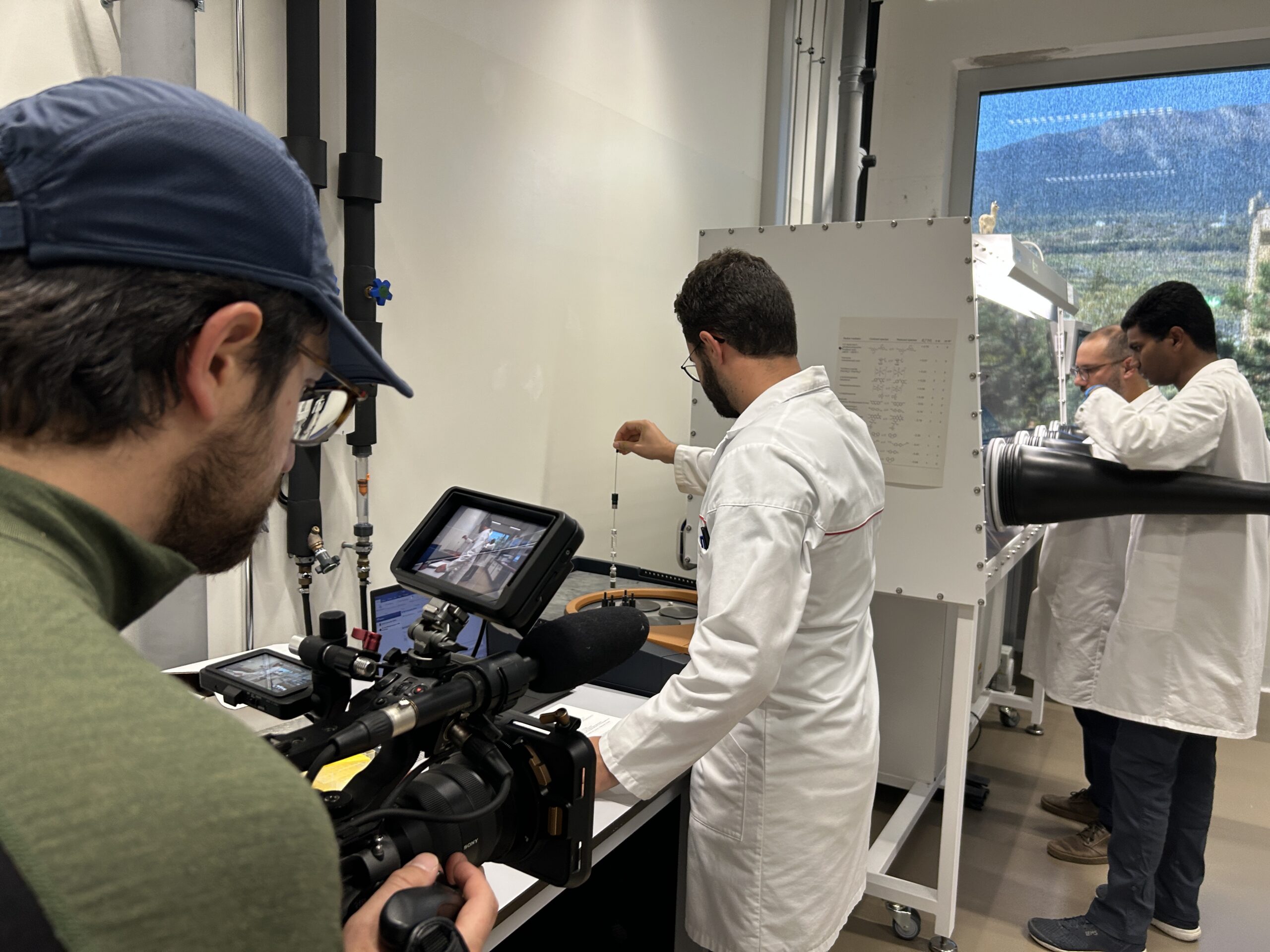
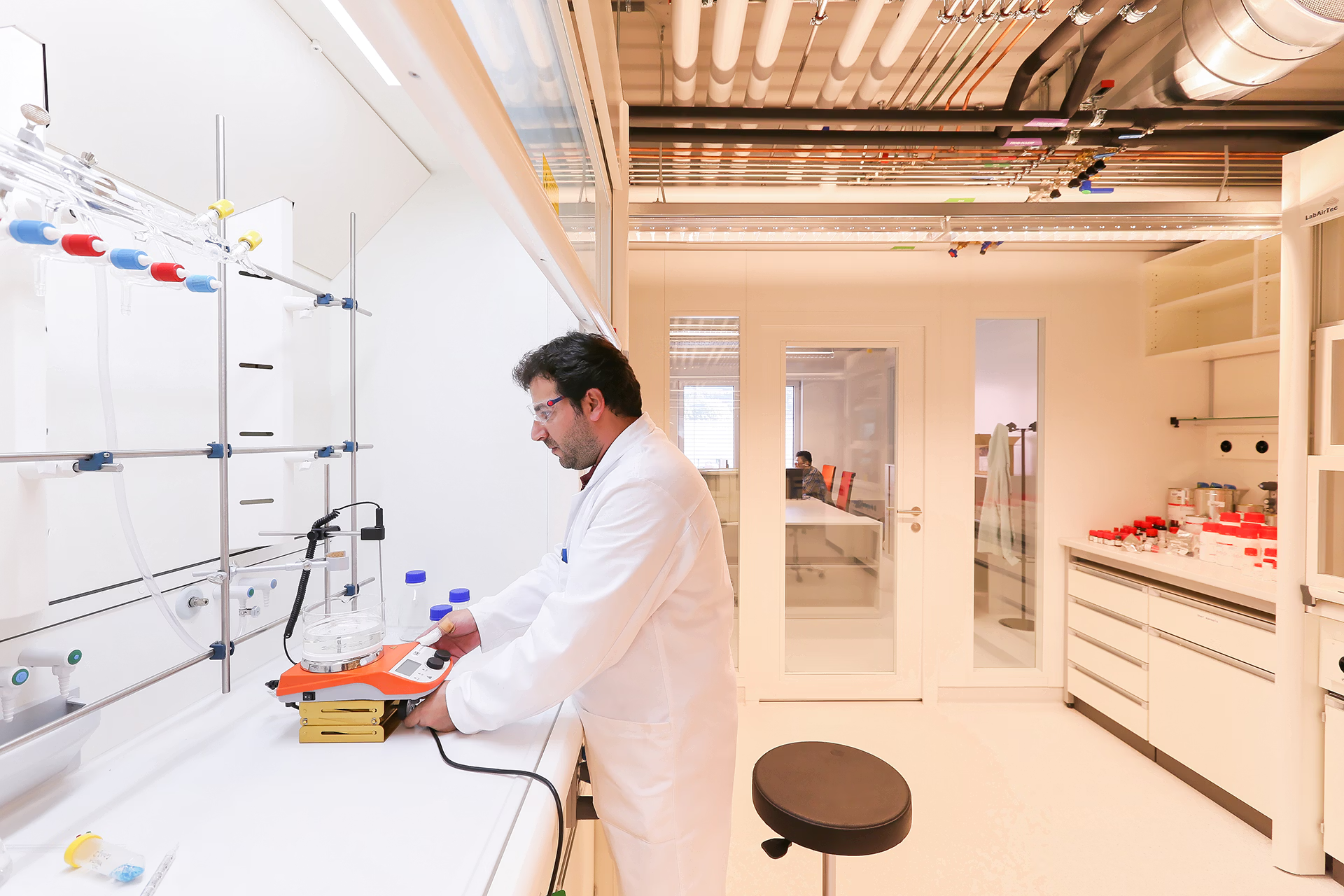
At the MACE lab, we study how microbes survive and adapt in snow, ice, and frozen soils. Through fieldwork, lab experiments, and molecular analyses, we uncover how these resilient life forms respond to a warming climate and help shape fragile alpine and polar ecosystems.
Research topics
1
Permafrost thaw and greenhouse gas release: When frozen ground thaws, trapped carbon becomes available to microbes, leading to the release of greenhouse gases like CO₂ and methane. We study how microbial communities shift with warming and how these changes influence ecosystem stability and climate feedbacks.
2
Microbial adaptation in the cold: We study how microorganisms survive and stay active in snow, ice, and frozen soils. They use special biochemical strategies, to function at subzero temperatures. These adaptations reveal how life responds to environmental change.
3
Microbial interactions and symbioses: Microbes interact constantly, sometimes cooperating, sometimes competing. We explore how these relationships shape microbial communities in cold environments and how partnerships between microbes and plants or animals help both adapt to harsh and changing conditions.
Our key projects
Alpine Microbiome Under Pressure
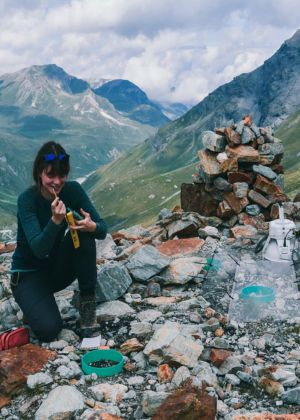
Across multiple Swiss-Alpine summits, we use passive warming plots to study how rising temperatures affect soil microbes and greenhouse gas emissions. These experiments reveal how mountain ecosystems respond to warming.
Swiss Federal Research Institute WSL
Snow Decline in the Alps
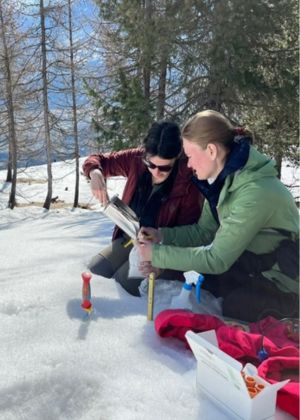
We study how reduced snow cover affects alpine soils and their microbes using field plots with snow removal and addition. Tracking changes across seasons helps us understand how shrinking snowpacks alter soil health, nutrient cycles, and greenhouse gas emissions.
Greenland Microbes on Newly Exposed Land
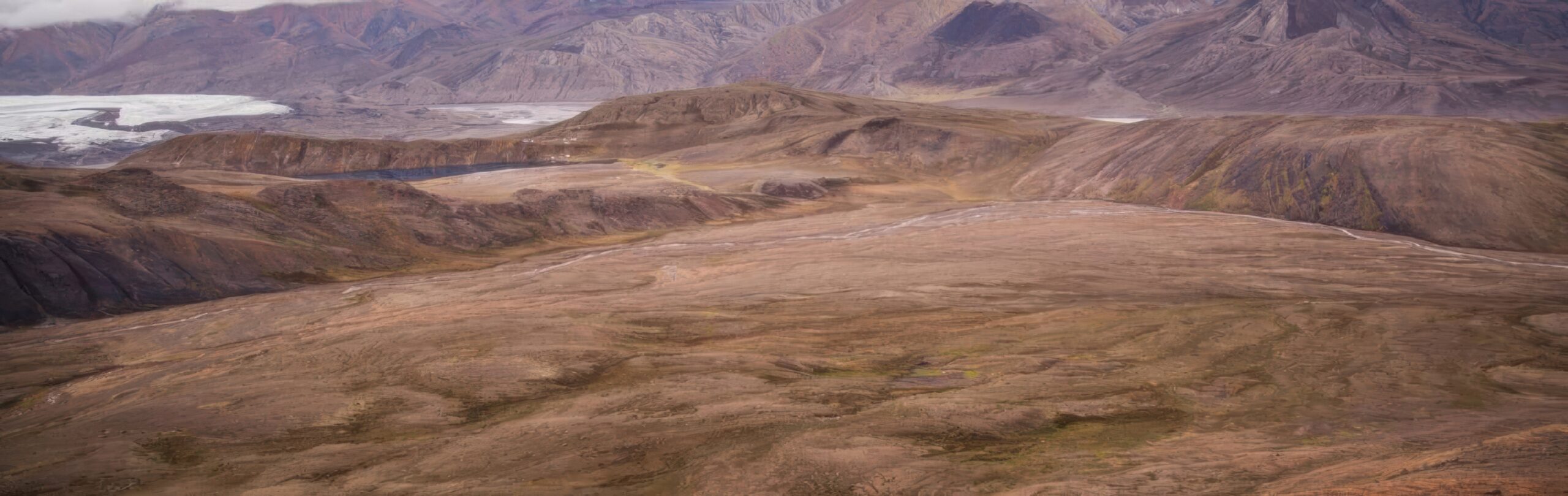
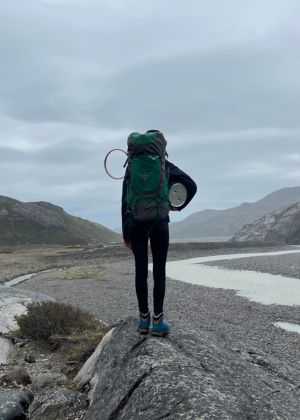
As Greenland’s glaciers retreat under climate warming, new soil ecosystems emerge where microbes quickly take hold. We study how these early communities transform lifeless sediments into richer soils and influence greenhouse gas fluxes.
ECEO
EERL
Our results and highlights
1
Our alpine field studies reveal rich and unique microbial diversity across different mountain sites, showing that even nearby ecosystems can host distinct microbial communities. We also find that while alpine soils release CO₂, many simultaneously take up methane (CH₄), helping to potentially offset greenhouse gas emissions.
Team & talents
Lab team size
8 people in the lab (not counting Master students)
Regional and social impacts
1
Our research helps predict how climate change affects alpine mountain and polar ecosystems. This will guide conservation and public awareness of cold regions.
2
Studying alpine soils and snow systems in Valais allowes us to support sustainable land use, biodiversity conservation, and climate adaptation strategies in this sensitive alpine region.
3
Preserving and studying cold-adapted microbial organisms opens new possibilities for sustainable biotechnology, from green chemistry and environmental solutions to novel enzymes for industrial applications.
Perspectives and challenges
Main opportunities
A main priority is to understand how warming will reshape Alpine ecosystems, microbial activity, and greenhouse gas balance. * Cold-adapted microbes offer untapped potential for sustainable biotechnological and industrial innovation.
Main challenges
Linking microbial data with climate models is challenging but can potentiall greatly improve predictions of greenhouse gas feedbacks.
Smart Environmental Sensing in Extreme Environments Laboratory (SENSE)
Prof. Jérôme Chappellaz
Smart Environmental Sensing in Extreme Environments Laboratory (SENSE)
SENSE missions are to explore climate change and greenhouse gas biogeochemistry through engineering / new technologies, with a focus on extreme and marine environments. The corresponding motto summarizing our mission could be expressed as “Tech for Climate”.
Research topics
1
Greenhouse gas biogeochemistry in aquatic environments, i.e. what are the production and consumption mechanisms of these gases, possibly affecting the fluxes between the aquatic environment and the atmosphere
2
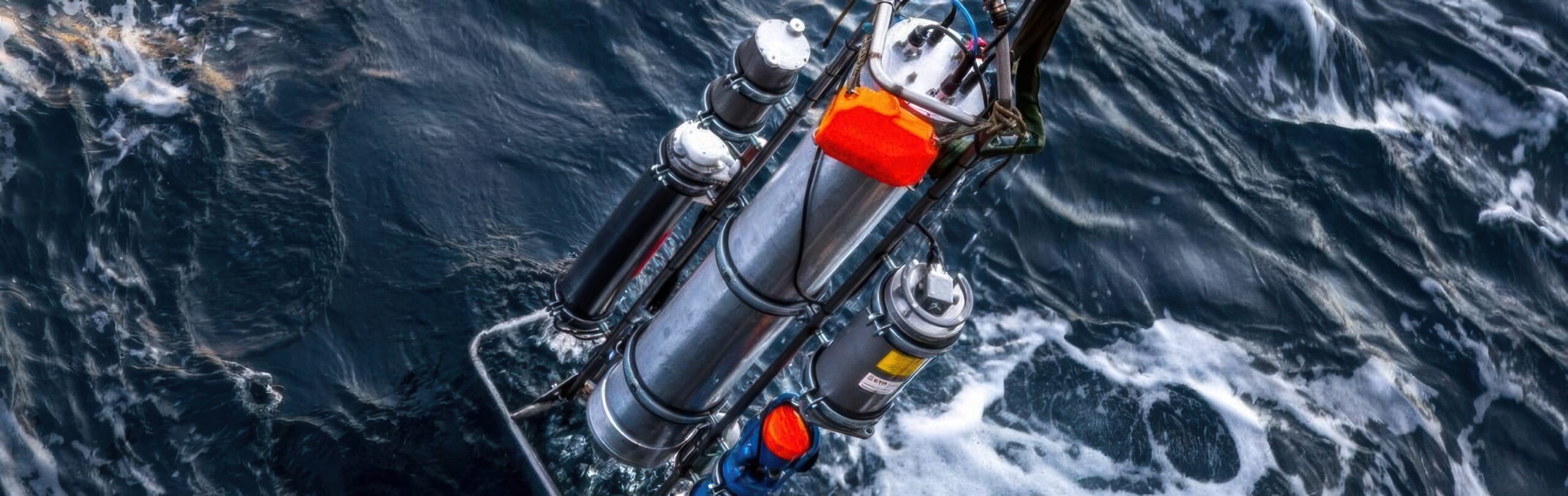
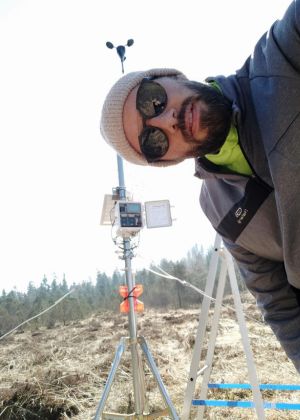
Smart sensors : additional data are required, at better spatial and temporal scales. We develop sensors, including affordable ones, allowing to increase the data coverage
3
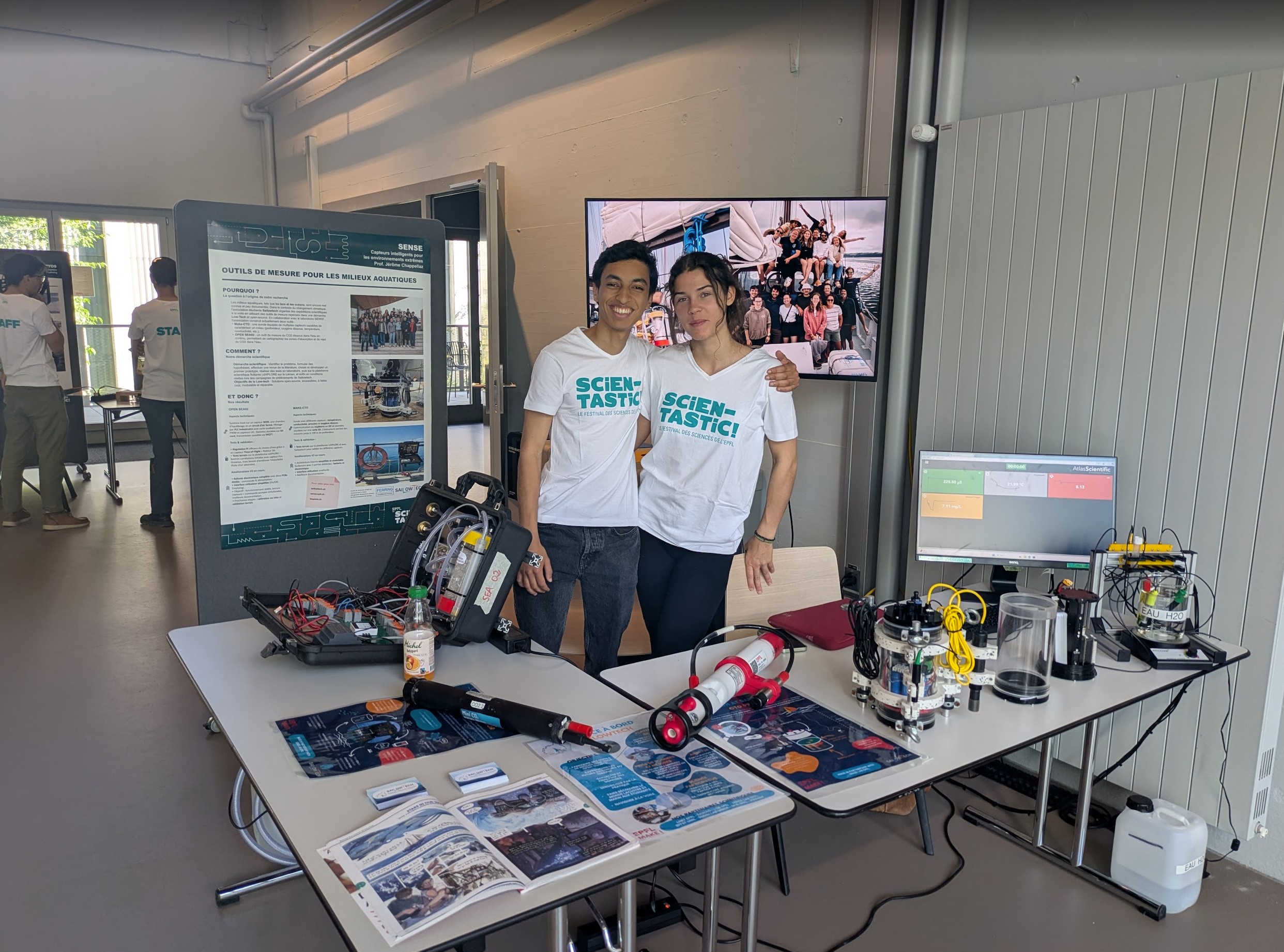
Low tech and citizen science : engage sailors to equip their sailing boats with low cost sensors allowing to get scientific profit of their expedition
Our key projects
BASAL-CH4
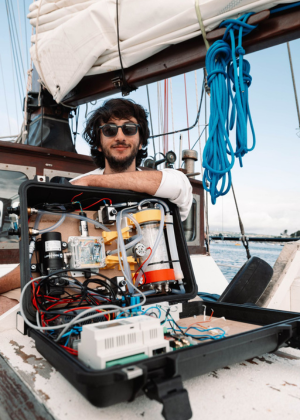
A project funded by the Swiss polar institute, during which we evaluated methane (CH4) fluxes from west Greenland fjords in summer, making use of our in-situ sensor called SubOcean and of an expedition by the Swiss scientific sailing boat FOREL.
We continue to acquire detailed measurements of dissolved nitrous oxide (N2O) and dissolved CH4 in Lake Geneva and other Swiss lakes at different seasons, with the final goal to evaluate their production and consumption mechanisms, as well as fluxes towards the atmosphere.
LéXPLORE platform Eawag UNIL
Sailowtech
We design, construct and improve low-cost sensors to measure temperature, salinity, dissolved oxygen and dissolved CO2 in aquatic environments. This will help to develop citizen science for a better spatial and temporal recording of these important variables. Since 2025, our team ensures the overall academic coordination of Sailowtech.
Our detailed in-situ analyses of dissolved CH4 in Lake Geneva have demonstrated that high concentrations far from the Rhone river delta are mostly generated by lateral transport from the delta itself.
2
Prof. Dr. Jérôme Chappellaz, who leads the SENSE unit, received the Belgica Medal from the royal academy of sciences in Belgium.
3
Projects supported by the Swiss polar institute : BASAL-CH4 and NITRO-BAFFIN
Team & talents
Lab team size
7
Specific team member
This year Isabel Wild as administrative assistant. She conducts an incredible job following the whole aspects of administration of the team, but also in accompanying ALPOLE Professors with the organization of the bimonthly meeting of all ALPOLE Professors. Her dedication and professionalism are truly astonishing and a great asset for our team and for ALPOLE.
Skills developed by the scientific team
Multi-disciplinary approach at the interface between environmental geosciences and engineering. Field work and associated logistics. Demanding field environments (lakes, polar regions).
Other
Communication. Such a research topic is of interest for a broad public. Therefore it is important to be able to handle media interviews for instance.
Regional and social impacts
1
Our research provides essential information regarding potential biogeochemical feedbacks activating under a warmer world, which is particularly important in Switzerland where the current warming is stronger than global average.
2
Our research shows that the canton of Valais takes its share of responsibility in better understanding how the climate system works. Our know-how could find ramifications with activities in Valais related with water quality, the carbon and nitrogen cycle.
3
Our research on new sensors may lead to discoveries finding ramifications into industrial applications.
Perspectives and challenges
Priority 1
Improve our current sensors
Priority 2
Deploy the sensors in collaboration with international programs, through new scientific expeditions in different parts of the world
Priority 3
Expand the capacity of citizen science around aquatic environments but possibly other ones as well
Main challenges
There are engineering challenges, requiring to develop connections with different disciplines at EPFL. There are also deployment challenges, as we rely in part on the complex logistics of foreign operators in polar regions. Last but not least, citizen science requires to minimize the budgets of the instruments, which is not always easy.
Future Partnerships
Other Professors within EPFL. Collaboration with Eawag around new types of CTD instruments able to document the physical state of water systems. Collaboration with other nations (in particular Norway) for deployment in polar oceans, with perspectives in Svalbard and in the Southern ocean around Antarctica. Prospect to take part to the BeauPair expedition in 2027 together with Germany and Canada.
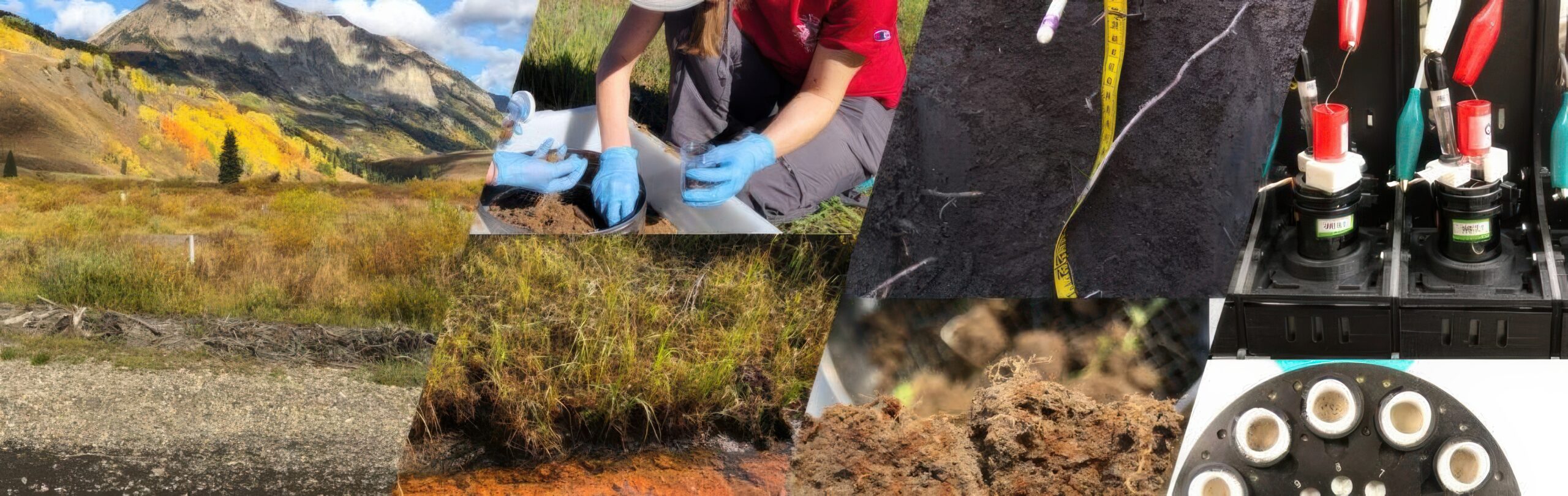
At the Soil Biogeochemistry Lab, we reveal how redox-driven processes govern carbon, nutrient, and contaminant cycling. Combining field observations with laboratory experiments, we build tools and models to predict ecosystem function and guide sustainable soil stewardship in a changing climate.
Research topics
1
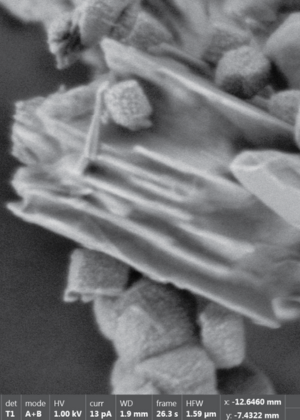
Mineral Redox Chemistry: Some tiny soil minerals (with iron and manganese) act like little batteries. We measure when they “give” or “take” electrons to predict how nutrients and pollutants change.
2
Soil Organic Matter Dynamics: Microbes eat dead leaves and roots for energy. We measure that energy to learn when carbon stays in the ground or turns into gases that affect our climate.
3
Sustainable Soil Management: Soils have tiny airless pockets where extra greenhouse gases can form. We map where and how strong these pockets are to help people grow healthy crops while keeping water clean and emissions low.
Our key projects
Mountain Soils
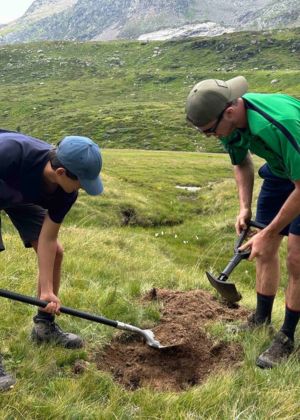
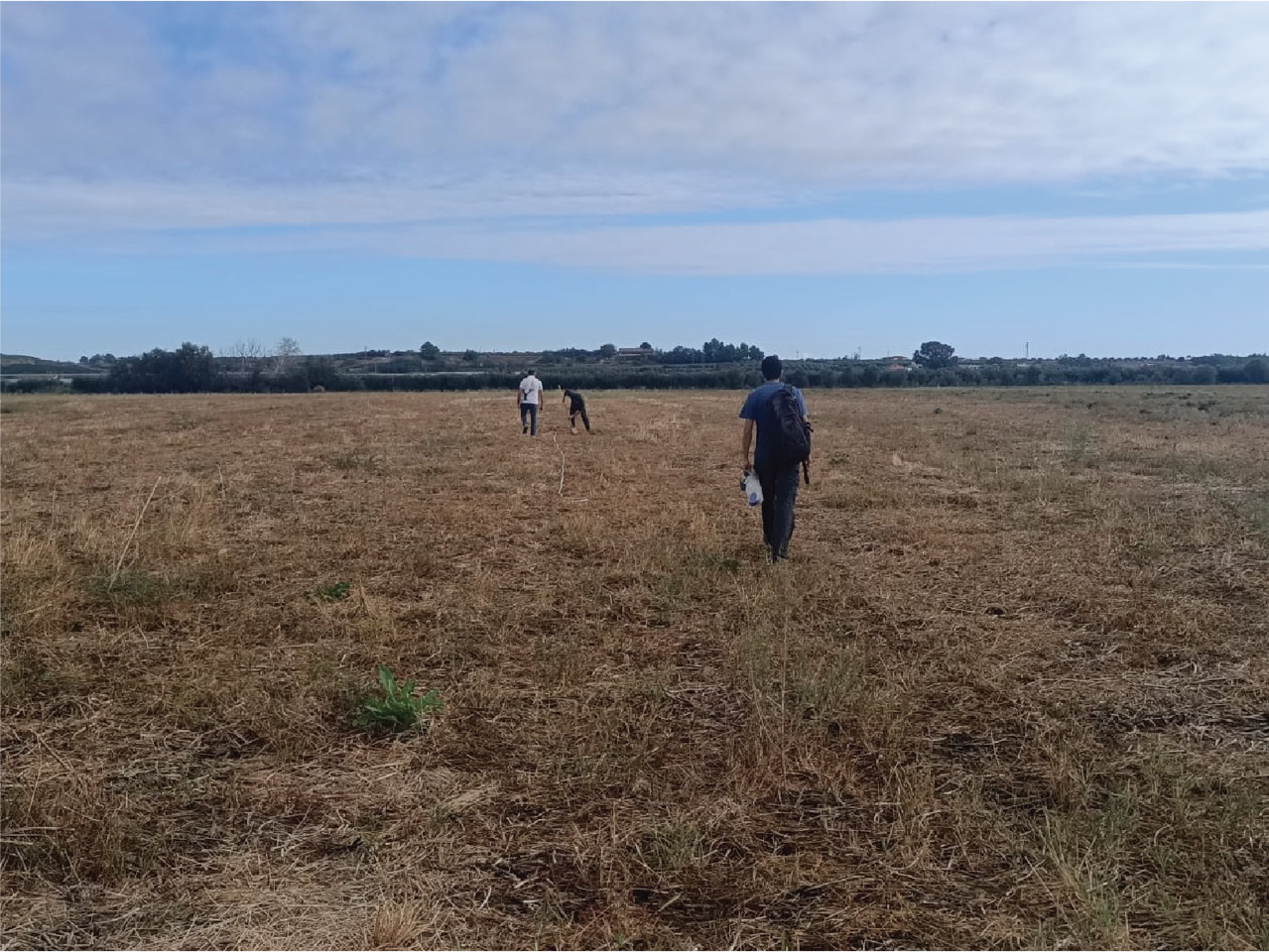
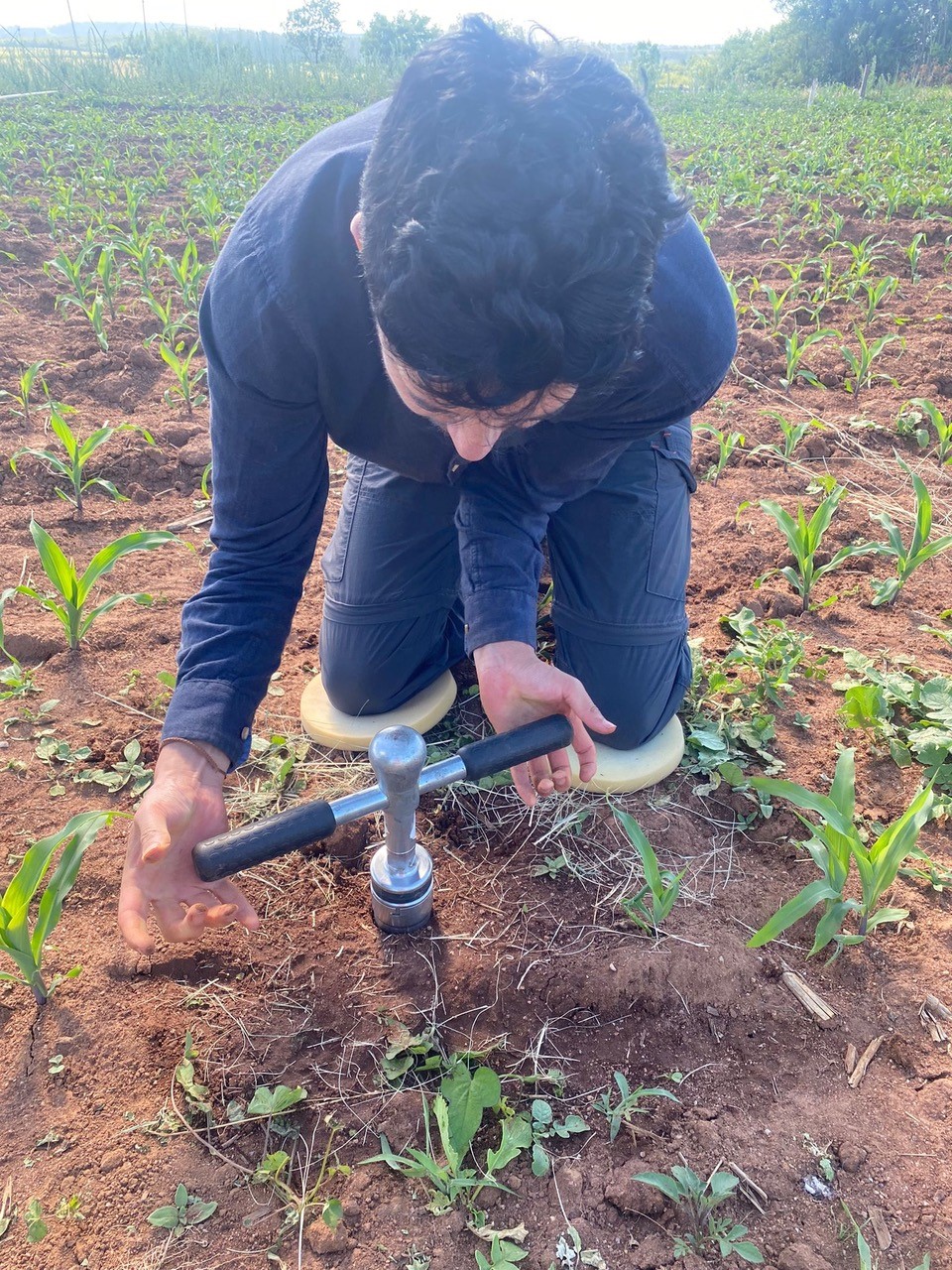
We map soil organic carbon across topographies in Vallon de Réchy and Binntal and pinpoint the chemical, physical, microbial, and geological drivers of where carbon accumulates. This helps predict how these stocks may change under future climate. More information: https://www.epfl.ch/labs/soil/soil-organic-carbon-in-mountain-soils/ and data: https://alpinesoc.epfl.ch/
We measure how manganese minerals with different structures exchange electrons. Our findings help improve predictions of mineral-mediated reactions, including pollutant transformations. More information: https://www.epfl.ch/labs/soil/electrochemical-analysis-of-the-redox-properties-and-reactivity-of-manganese-oxides-strong/
We develop a process-based modeling framework to estimate carbon fluxes in restored wetlands by linking ecohydrological and biogeochemical processes and validating the results with monitoring data from Swiss wetlands. This helps quantify restoration impacts and optimize projects to maximize carbon sequestration under changing climate.
Vineeth Pothanamkandathil: Podstoc in the group since March 2025. Develops novel experimental and modeling approaches to characterize the redox reactivity of soil minerals.
Skills developed by the scientific team
Project management and supervision, experimental and laboratory skills, experimental design, field skills, data management, communication skills.
Other
Interdisciplinary team with backgrounds in environmental chemistry, pedology, environmental microbilogy, agronomy
Regional and social impacts
1
By revealing how soils store carbon, purify water, cycle nutrients, and transform pollutants, our research turns molecular insight into tools for climate action, clean water, and resilient food systems—guiding policies and practices that protect people and nature.
2
Our research maps soil organic carbon stocks in valleys like Réchy and Binntal and identifies the drivers of their stability. These insights help anticipate how Alpine soils—and their organic carbon—will change as the climate warms.
3
We train students and interns in field methods, laboratory experiments, GIS/modeling, and project management & supervision, producing job-ready talent for environmental consulting, hydropower, agro-tech, and remediation companies.
Perspectives and challenges
Main opportunities
Assess how snow-cover thickness/duration shifts Alpine soil carbon cycling.
Help agriculture adapt to hotter, drier summers (water retention, cover crops, tillage).
Improve soil modules in models to forecast local climate impacts.
Optimize wetland restoration for net carbon gains while managing methane.
Build open datasets & sensor networks for long-term Alpine monitoring.
Main challenges
Separating climate vs. topography/land-use effects on soil processes.
Harsh Alpine conditions: access, safety, and instrument reliability.
Scaling from micro-sites to catchments while tracking uncertainty.
Limited long-term data; harmonizing measurements and standards.
Integrating field, lab, and model results into actionable guidance.
Future Partnerships
Cantonal agencies and land managers
Cookie policy
By continuing to browse this site, you agree to the use of cookies to improve your user experience and for the generation of visit statistics.
You can customise the use of cookies using the buttons below.