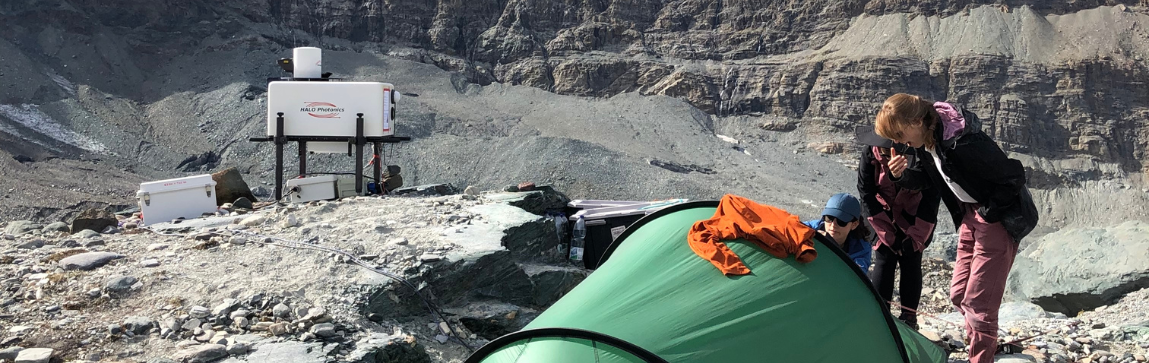
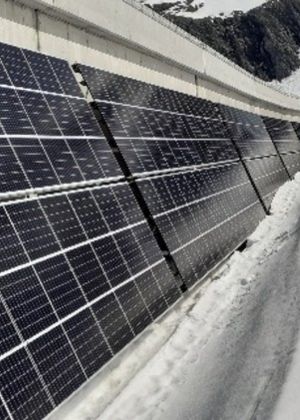
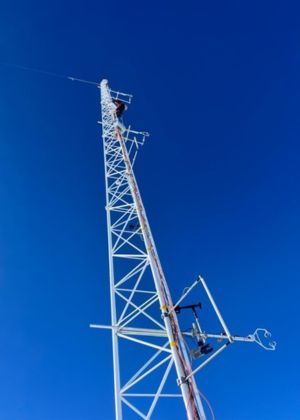
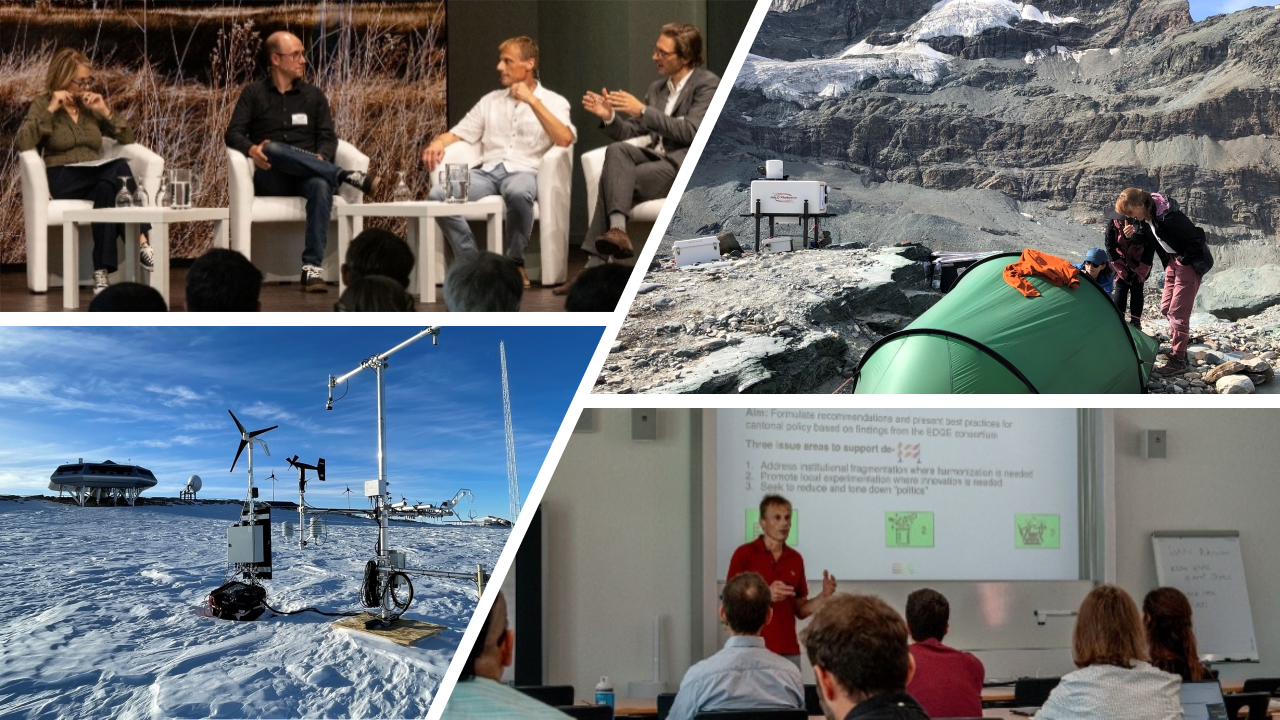
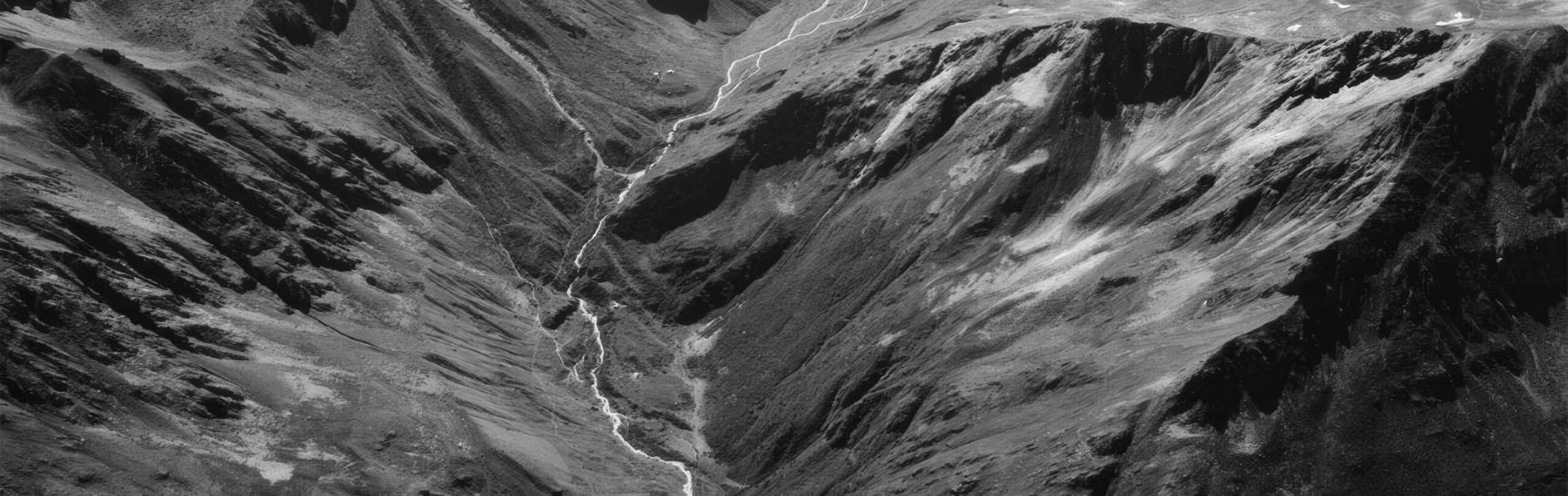
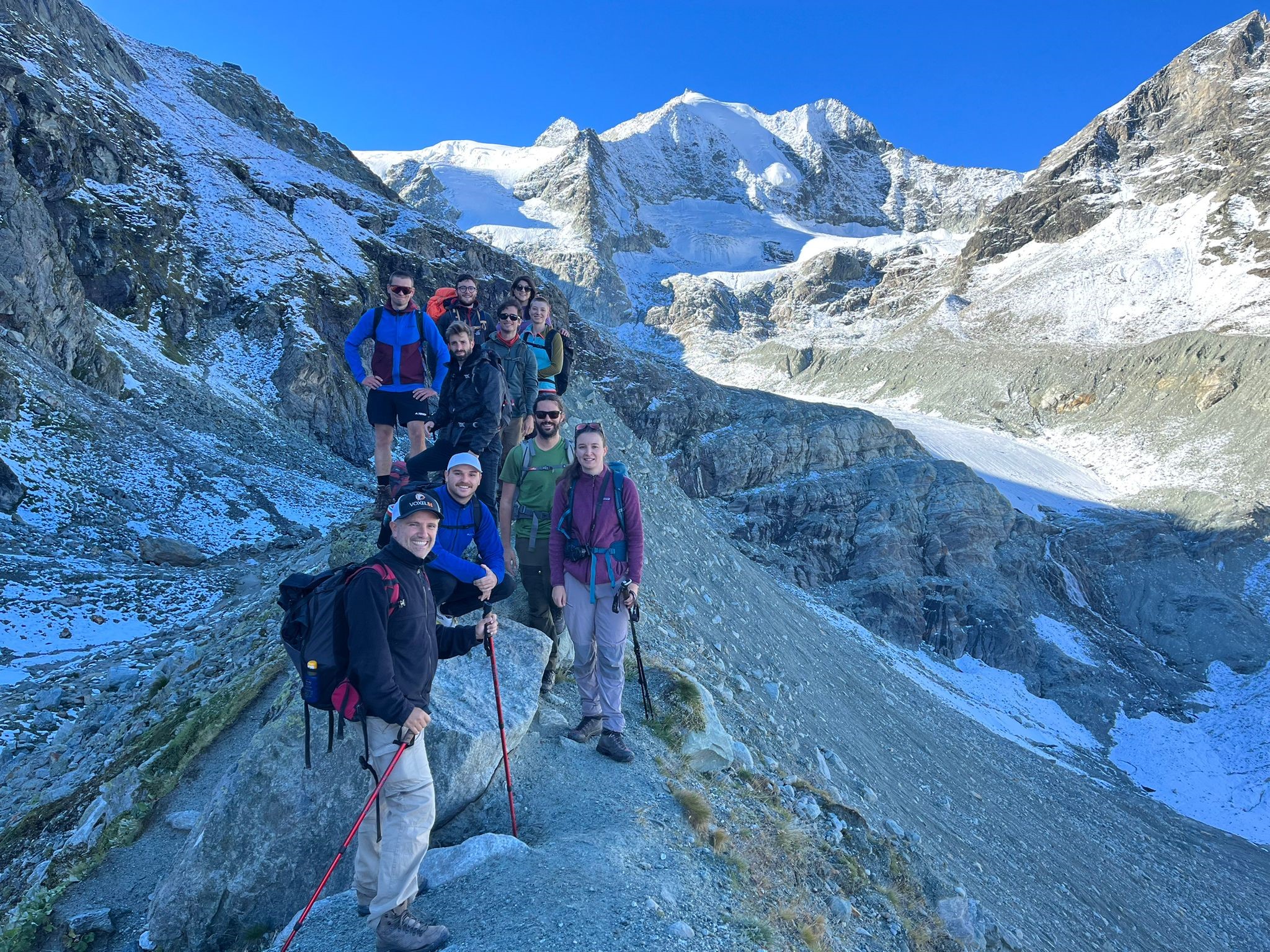
CRYOS investigates the processes that shape snow and atmosphere in mountain and polar regions and their role in a changing climate. CRYOS also works on risk management and optimization of renewable energy production in alpine terrain based on its expertise in wind, water, and radiation processes.
Research topics
1
We study the processes at the interface of snow and ice with the atmosphere to understand and quantify the energy and mass balance which are changing in a warming climate. Results will help in predicting and adapting to climate change, in the sectors of natural hazards, alpine tourism, agriculture, and renewable energy production.
2
The lab investigates the potential of wind and solar resources for renewable energy production in mountain regions with particular focus on optimization such as better balancing summer and winter production and increasing energy production in winter to reduce the seasonal production deficit.
3
CRYOS develops and applies physics-based numerical models for snow, permafrost and the lower atmosphere, which are used in theoretical and applied research. Such models allow for predictions and for simulating scenarios of events and possible changes in alpine and polar regions.
Our key projects
SWEET EDGE
As part of the “SWiss Energy research for the Energy Transition” program, EDGE seeks to provide scientific evidence to fast-track the growth of locally sourced decentralized renewable energy in Switzerland, to help achieving renewable energy targets in 2035 and 2050.
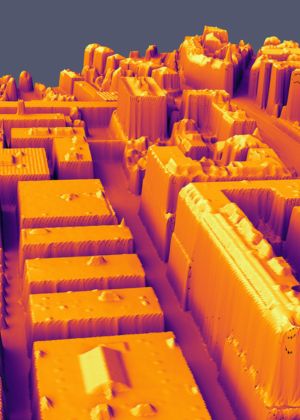
In the UrbanTwin ETH domain joint initiative project we are investigating the urban microclimate and its effect on renewable energy production. Urban heat island characteristics and potential mitigation measures are modeled and scenarios developed for the future.
Multiple groups at EPFL and ETHZ across schools and disciplines
In the SNF-funded project "SmallScaleSnow@Large", we investigate snow - atmosphere exchange in extreme environments in particular the large-scale effects of drifting and blowing snow. First results point to the influence not only on the local mass balance but also on cloud formation and precipitation.
Swiss Polar Institute
SLF
International Polar Foundation
Centre d'Etudes Spatiales de la BIOsphère (CESBIO)
Finalizing a complete assessment of snow distribution and electricity yield for a planned photovoltaic installation installation at Prafleuri together with the Spin-Off company SUNWELL
2
Outstanding Oral Presentation by Dr. Hendrik Huwald, 30th Intl. Symp. on Polar Sciences (ISPS) – granted by Minister of Ocean and Fisheries, Republic of Korea
3
Current and future shifts of snow regimes in extreme environments (SNOWSHIFTS) 2026-2032, funded by European Research Council (ERC)
Dynamic changes in air-snow-ice-ocean interactions with global warming: An observational programme in Antarctica and the Southern Ocean supported by multi-scale modelling (DOMINO) 2026-2030, funded by Swiss Polar Institute (SPI)
4
The “Antarctic Wind Atlas” is a high-resolution dataset that maps wind conditions across Antarctica, developed using a combination of atmospheric models, observations, and machine learning. It provides detailed information on wind speed and energy potential, even in remote and previously unmeasured regions. This product helps scientists and stakeholders better understand the Antarctic climate and supports planning for sustainable energy and research infrastructure.
Team & talents
Lab team size
Current team : 16 (1 professor, 7 senior scientists (post-doc & scientific collaborators), 7 PhD students, 1 administrative collaborator)
Specific team member
Rainette Engbers is a PhD student in her first year. Her work aligns well with the cryospheric research in the Group studying blowing snow with both modelling and data analysis. In this framework, she has set-up sensors during her field expedition to Antarctica. Just after return from Antarctica, she had a very good candidacy exam.
Skills developed by the scientific team
CRYOS members work very autonomously under targeted scientific guidance. They develop expertise in environmental science and engineering, fieldwork and instrument deployment, numerical modeling and machine learning, as well as science communication and outreach.
Regional and social impacts
1
Facts and information on local consequences of climate change. Propositions for mitigating and solutions for better adapting to consequences of climate change.
2
Contribution to the management of local water resources and natural hazards. Assessment and potential of renewable energy sources in alpine regions.
3
Data and scenario simulations for ski resorts and mountain tourism in general. Knowledge, data, and simulations for hydropower sector. Support for development of high-Alpine Photovoltaic and wind resources.
4
Better urban climate in Sion.
Perspectives and challenges
Main priorities
Successful and coordinated start of SnowShifts and DOMINO projects
Development of a new SNF proposal on snow
Main challenges
Continuation of renewable energy research after end of the EDGE project
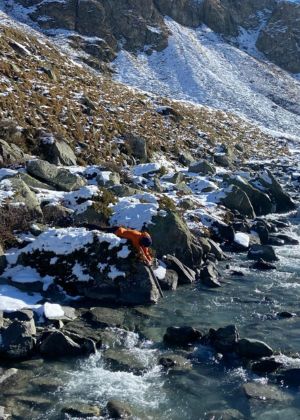
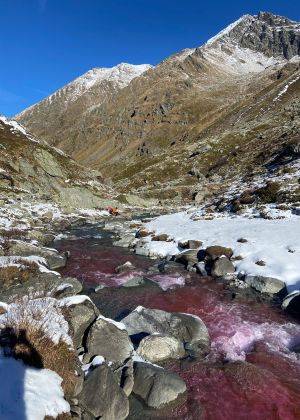
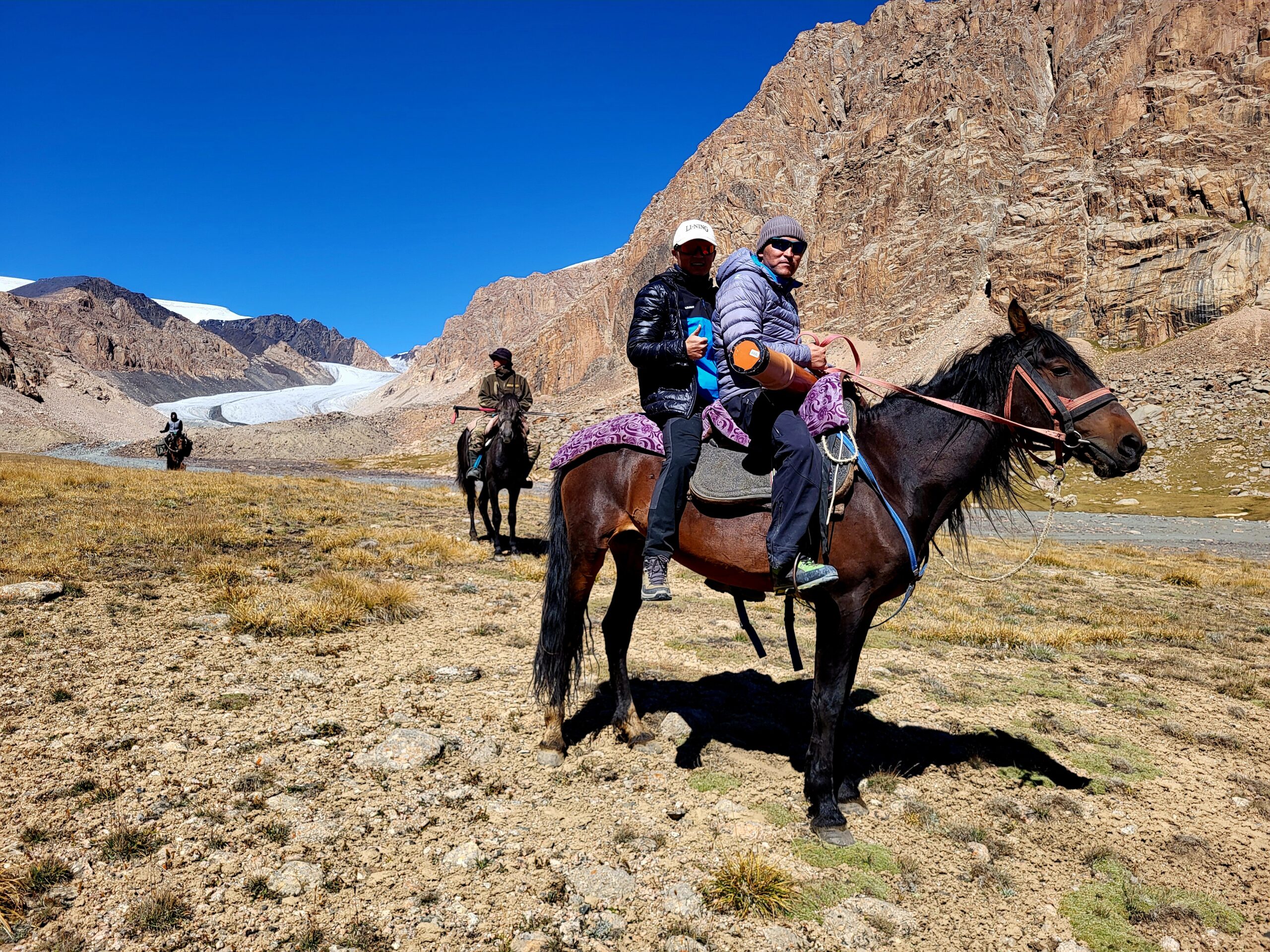
To understand the coupled physical, chemical and biological processes in high-mountain streams and rivers in the context of climate change.
Research topics
1
Understand climate change impacts on high-mountain river ecosystems.
2
Map the biological complexity in glacier-fed streams.
3
Undertand the role of rivers for the global carbon cycle.
Our key projects
BREATHE
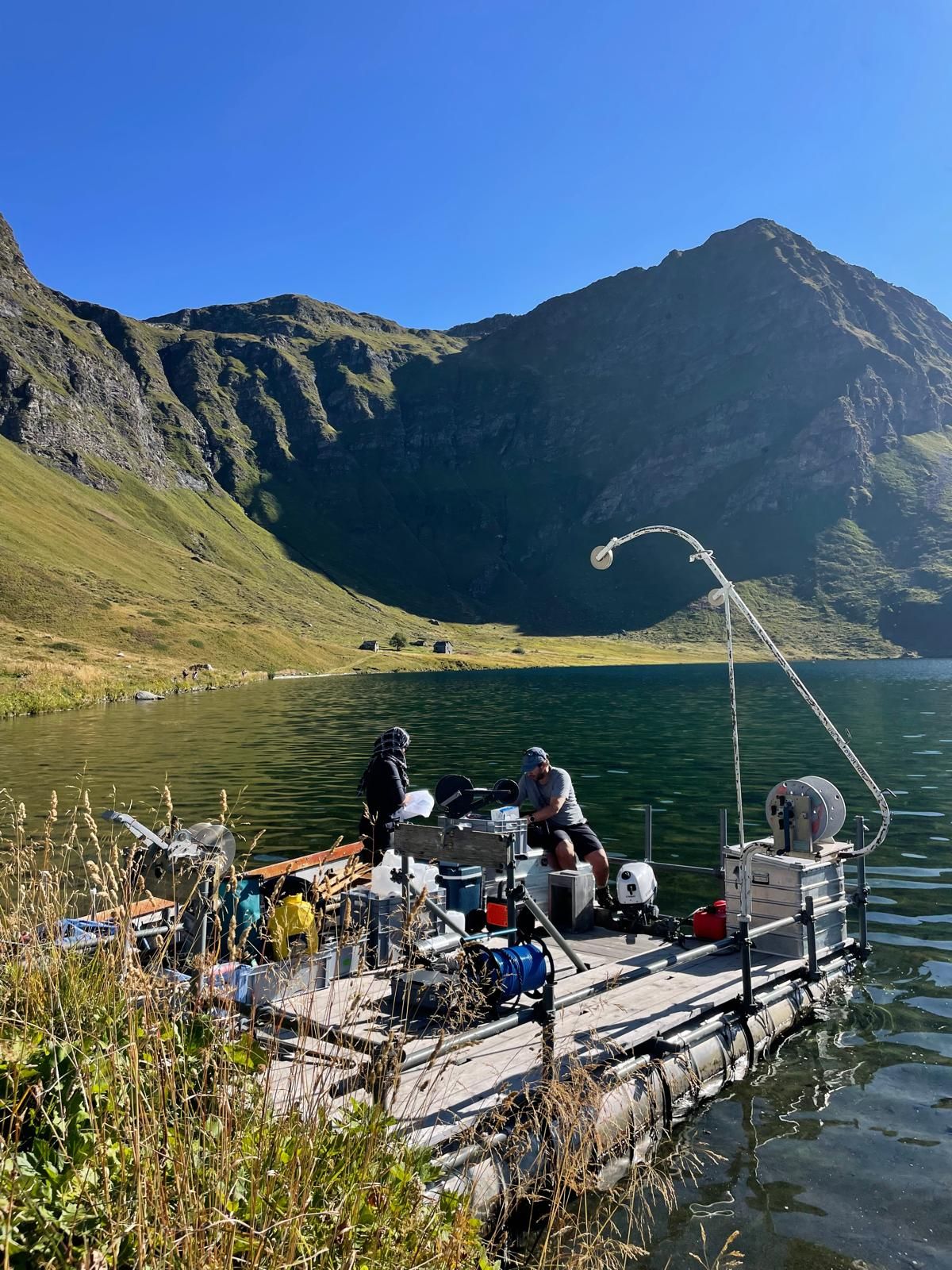
In collaboration with leading research European research institues, we design and test novel indicators for water quality based on sensor technologies and modeling.
Service de l'Environnement
SENTINELS
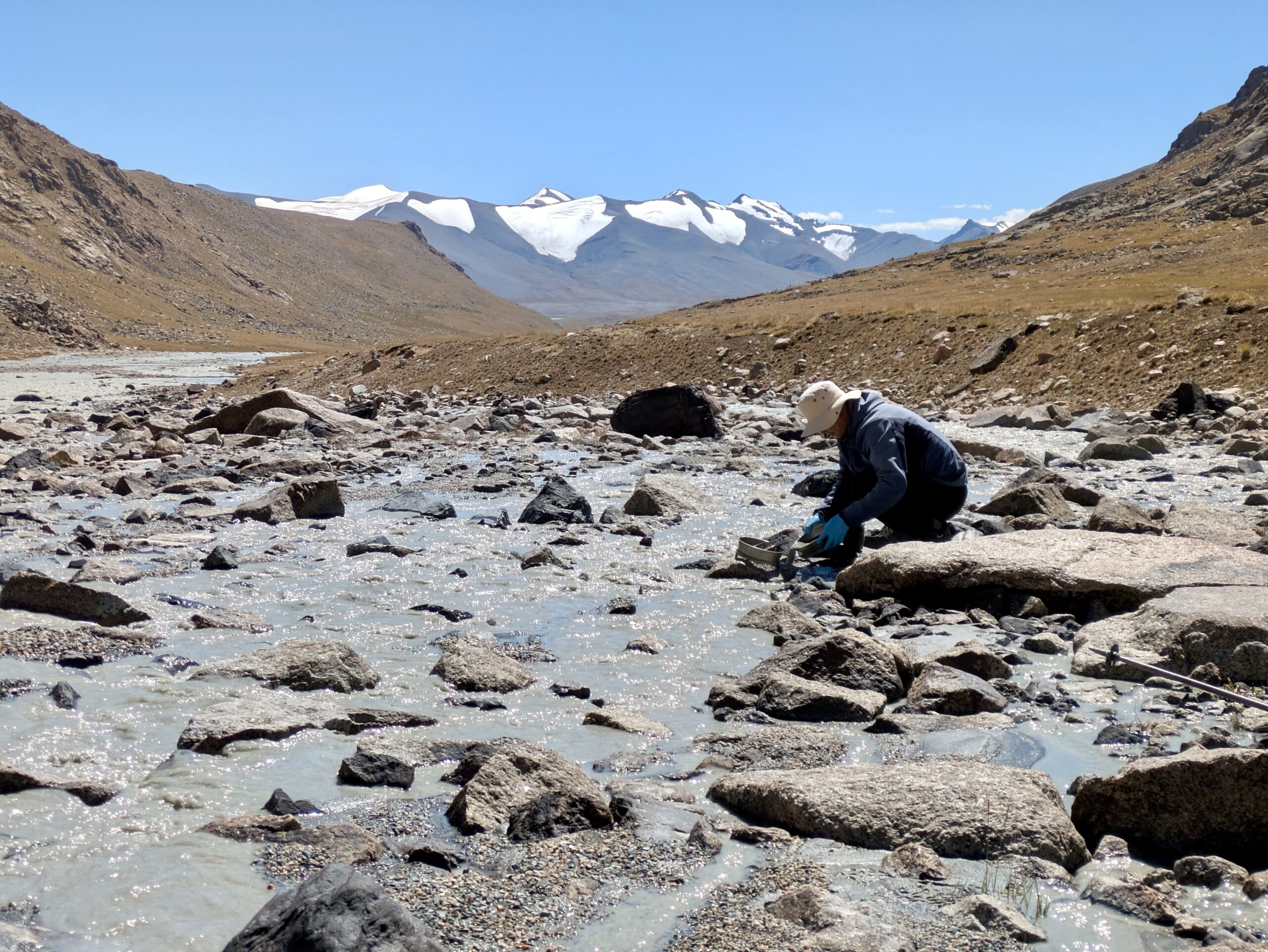
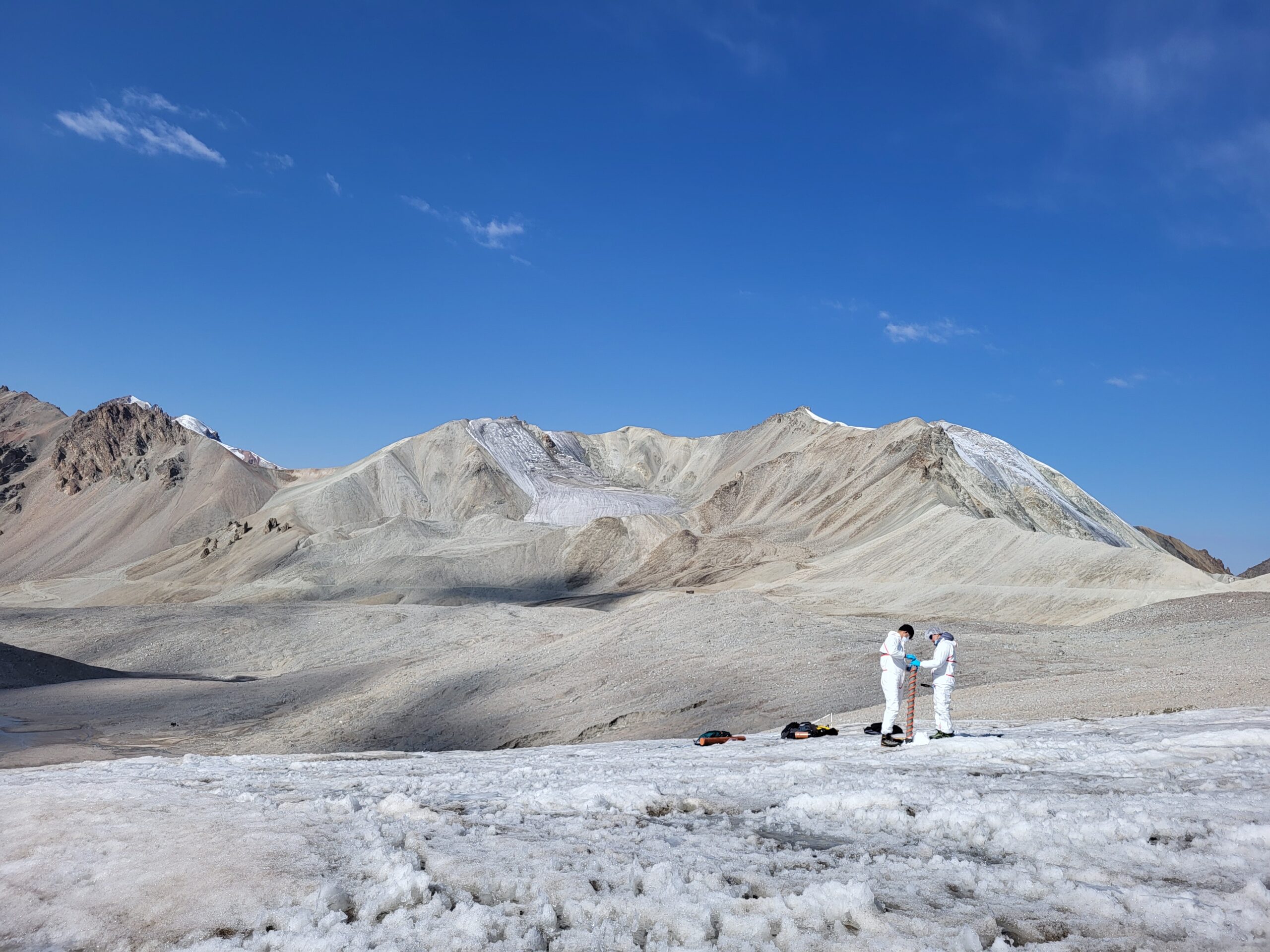
We combine fieldwork with sensor technology and modeling to predict hydrological regimes and carbon biogeochemistry in high-mountain river networks under the influence of various glacier types.
VIRUS
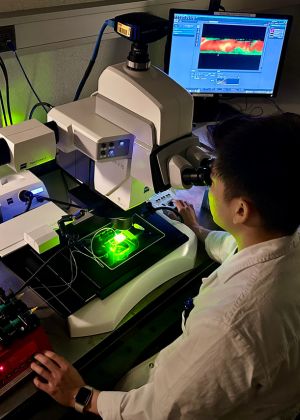
Blending fieldwork, bench-scale expertiments and advanced bioinformatics, we investigate effects of environmnetal viruses on bacterial biodiversity in glacier-fed streams.
EPFL,
Pasteur Institute Paris
Our results and highlights
1
Vanishing Glaciers Project from the NOMIS Foundation and PAMIR project from SPI successfully terminated.
2
BREATHE Project
3
Publications in leading journals (eg., Nature, Nature Geoscience)
Team & talents
Lab team size
Around 20 members across 13 nationalities.
Specific team member
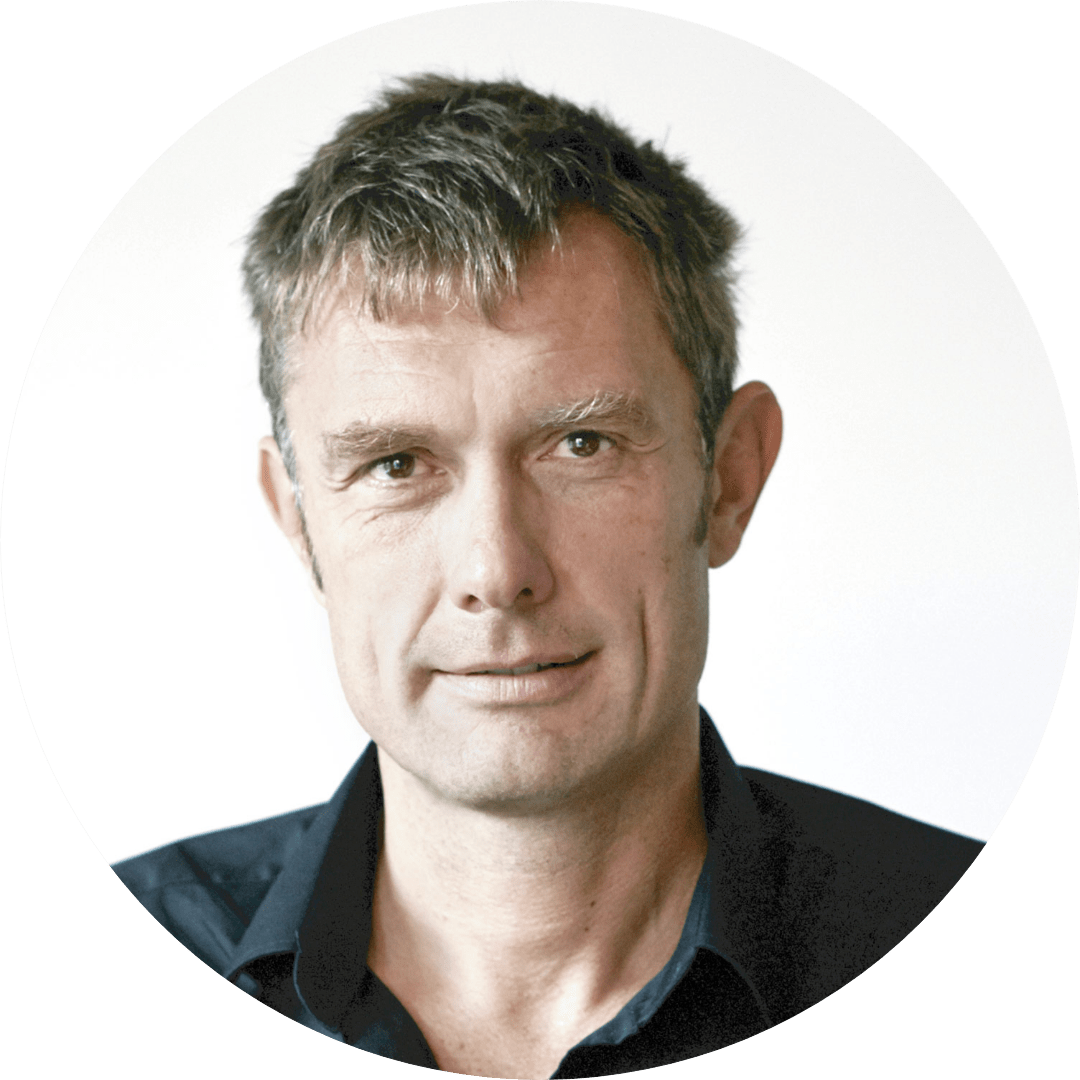
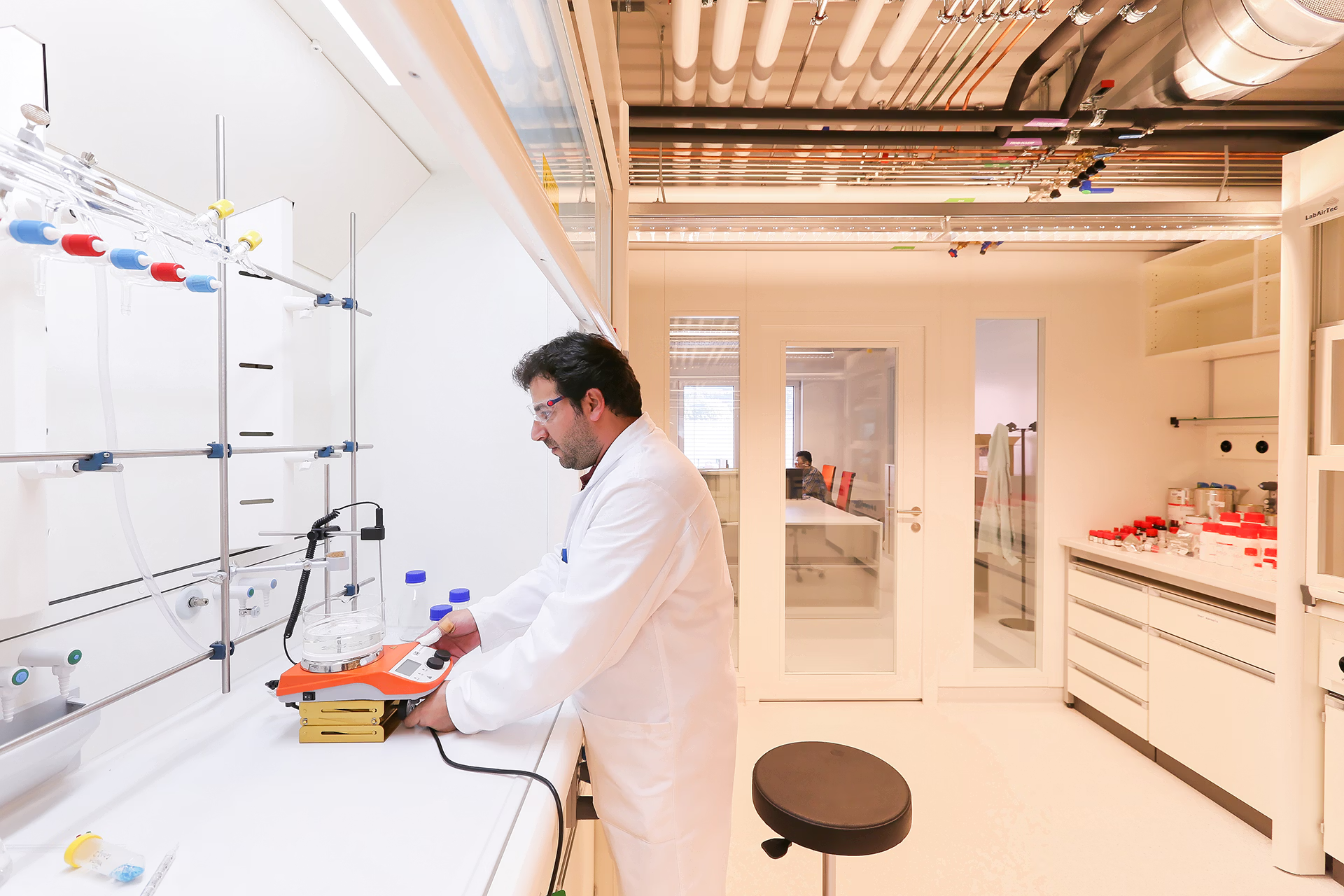
Wai Hoe Chin is an outstanding scientist with a tireless dedication to the development of novel methods to detect and characterize novel virus from rivers.
Skills developed by the scientific team
conducting scientific research; plan demanding expedition; interact with stakeholders;
Regional and social impacts
1
Early warning systems for river ecosystem health deterioration.
2
Implementing novel strategies for water quality monitoring.
3
Implementation of a first-of-its-kind collection of viruses from streams in Valais.
Perspectives and challenges
Priority 1
Establish MIC – Microbial Initiative for the Cryosphere at ALPOLE
Priority 2
Secure funding to conduct research in Valais and Greenland
Main challenges
Acquiring funds for discovery-driven research.
Future Partnerships
With the European Molecular Biology Laboratory and Pasteur Institut Paris.
Environmental Computational Science and Earth Observation Laboratory (ECEO)
Prof. Devis Tuia
Environmental Computational Science and Earth Observation (ECEO)
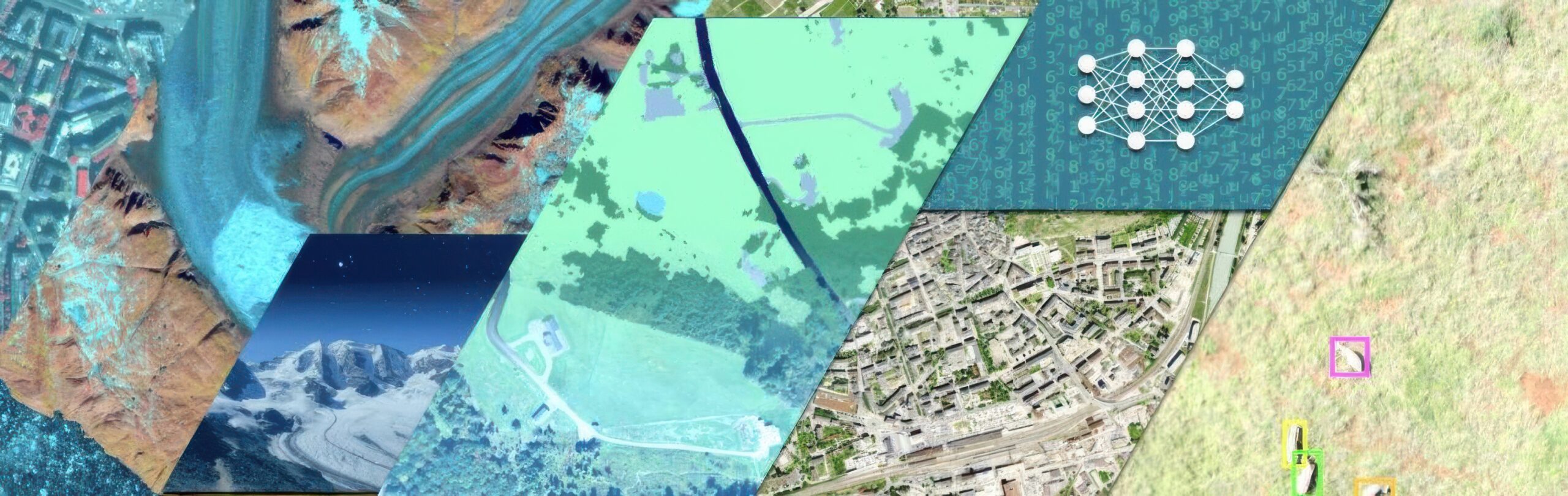
At ECEO we develop technology to monitor Earth with digital data. We use data from multiple sources (from the smartphone to the satellite) and develop algorithms enabling spatio temporal monitoring of our changing Earth. We study land processes, underwater ecosystems and ecosystems dynamics, for instance related to animal conservation and forest monitoring.
Research topics
1
Develop AI algorithms to make sense of digital data about Earth
2
Monitor endangered ecosystems like coral reefs or tropical forests
3
Map distirbution of species (animals and vegetal) and how they distribute in space and time, especially under climate change
Our key projects
WildAI
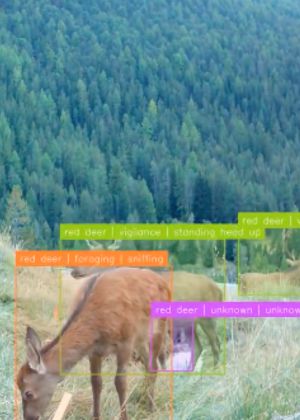
We study behavior of alpine wildlife by analysing automatically a set of videos acquired by camera traps installed in the Swiss National Park.
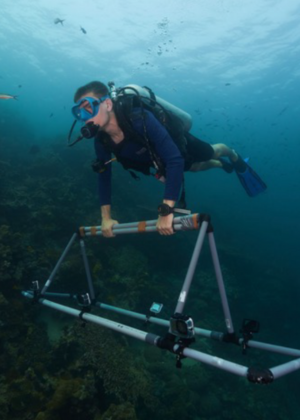
We develop machine learning technology to map coral reefs with close sensing, support local monitoring programs and build capacity in the Red Sea Nations with dedicated workshops
Transnational Red Sea Center (EPFL)
Univeristé de Djibouti
Red Sea University
DVPS
With an international consortium, we explore new avenues to develop large scale multisource AI models capable of solving multiple problems at once, the so-called multimodal foundation models.
Completion of coral monitoring mission in Makassar, Indonesia (2025). Release of Swiss scale treeline map.
2
D. Tuia, Clarivate highly cited researcher 2025
3
DVPS, Horizon Europe
Team & talents
Lab team size
17 people
Skills developed by the scientific team
Machine learning algorithms for understanding environmental processes
Low cost monitoring systems based on camera traps (Mammalps project with Swiss National Park), GoPro cameras (coral reefs monitoring) and fixed wings drones (WildDrone project, tested in Kenya and Namibia in 2025)
Regional and social impacts
1
We provide reproducible algorithms and scientific evidence at large scale of the evolution of several critical ecosystems of Earth
2
We collaborate with seveal services of the Canton (Géoinformation, Forets, Agriculture) to support them in their monitoring efforts, in particular to scale them up and automatize
3
Through collaborations with industry (Swisstopo, AXA), we develop technology critical to make their data analysis routiens more efficient and accurate
4
We train the next generation of environmental engineers in data proficiency, and prepare them to the future challenges of process monitoring, which are strongly influenced by big data problems and complex, multi-modal streams
Perspectives and challenges
Main opportunities
Democratization of AI is a great opportunity to spread wider our technology
Great interest in Valais for AI technology helps us connecting with several key regional players
Future Partnerships
Expanding our coral technology in other reefs of the world, towards a citizen-led monitoring system
Extending our blue ice mapping technology to other problematics related to polar dynamics
Cookie policy
By continuing to browse this site, you agree to the use of cookies to improve your user experience and for the generation of visit statistics.
You can customise the use of cookies using the buttons below.