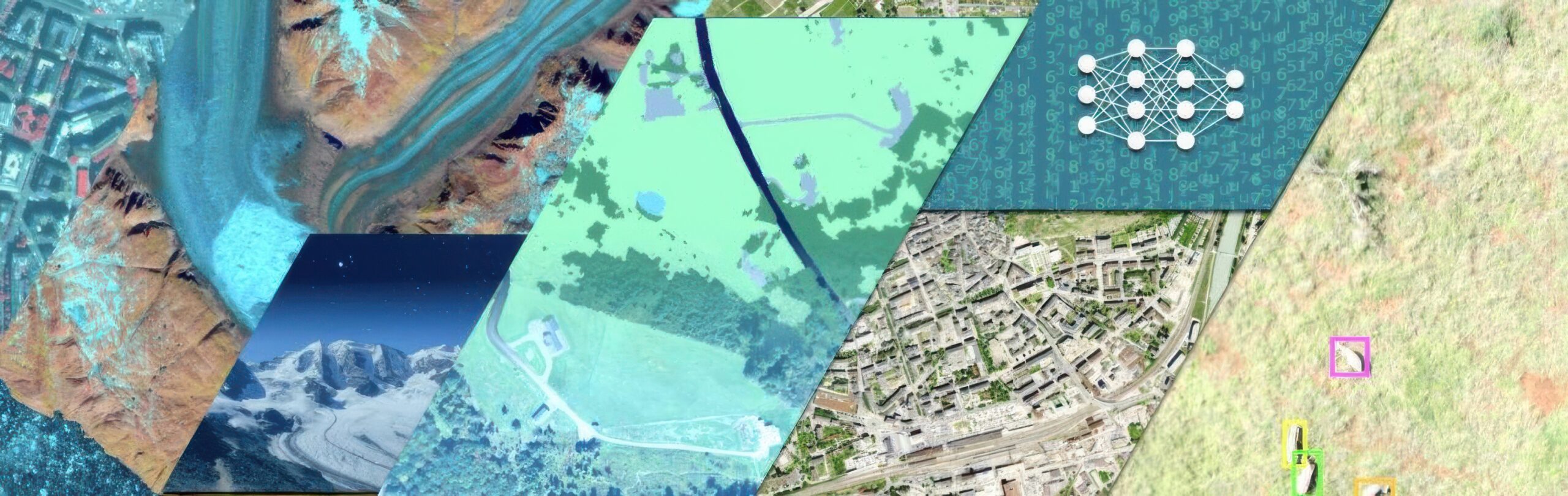
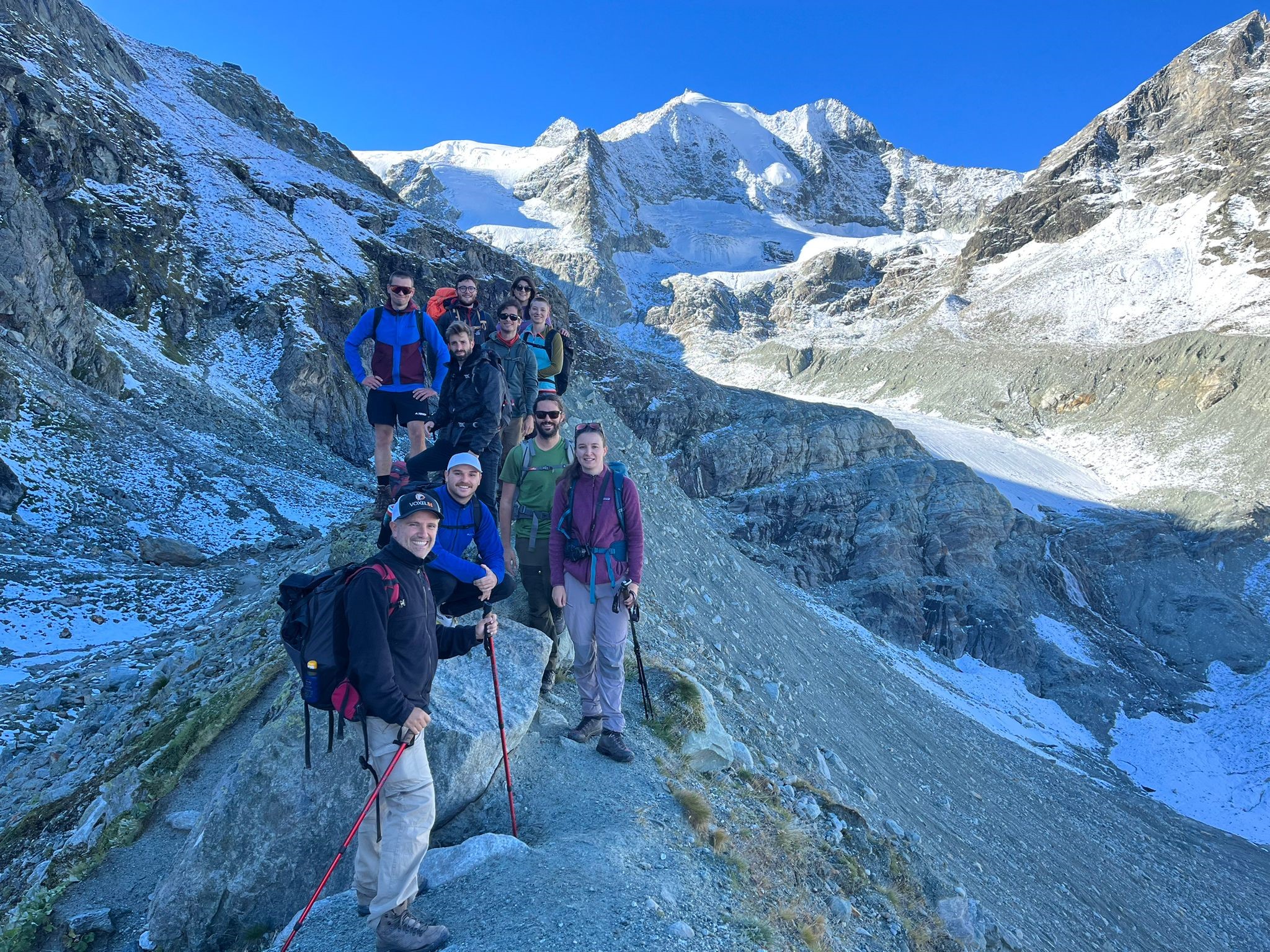
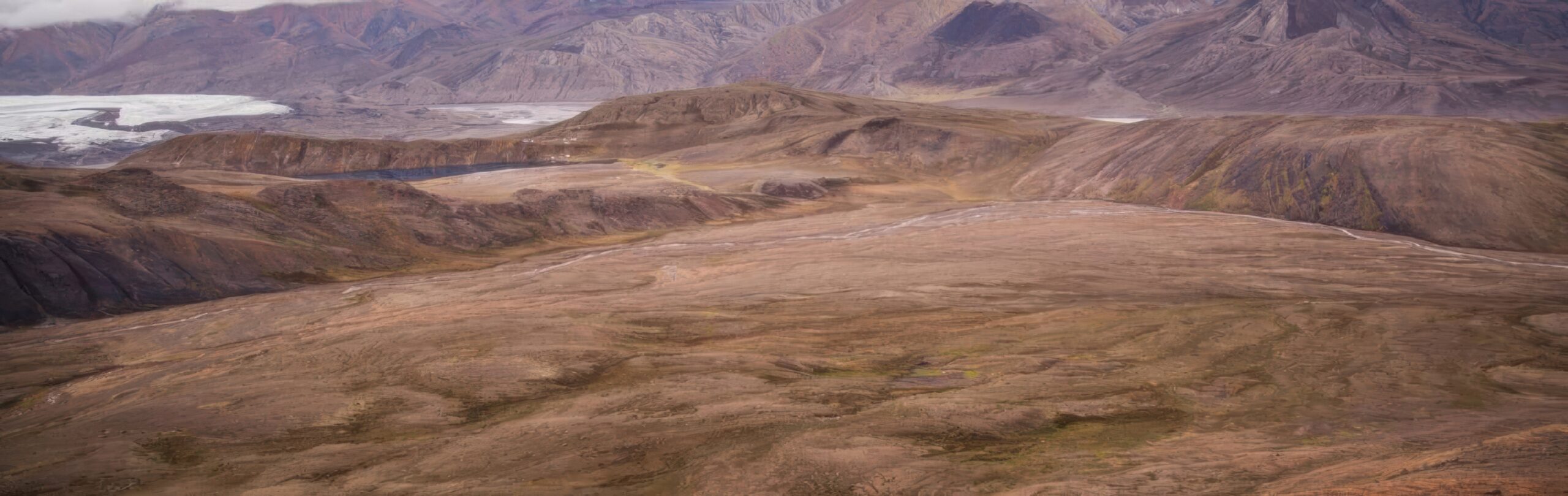
At ECEO we develop technology to monitor Earth with digital data. We use data from multiple sources (from the smartphone to the satellite) and develop algorithms enabling spatio temporal monitoring of our changing Earth. We study land processes, underwater ecosystems and ecosystems dynamics, for instance related to animal conservation and forest monitoring.
Research topics
1
Develop AI algorithms to make sense of digital data about Earth
2
Monitor endangered ecosystems like coral reefs or tropical forests
3
Map distirbution of species (animals and vegetal) and how they distribute in space and time, especially under climate change
Our key projects
WildAI
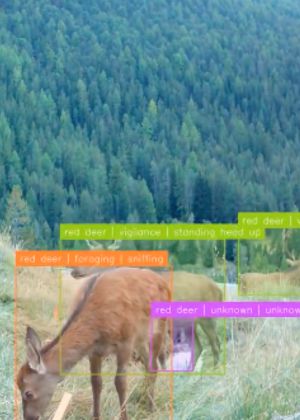
We study behavior of alpine wildlife by analysing automatically a set of videos acquired by camera traps installed in the Swiss National Park.
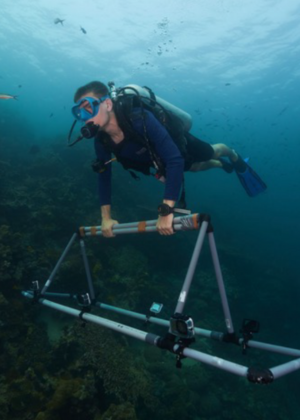
We develop machine learning technology to map coral reefs with close sensing, support local monitoring programs and build capacity in the Red Sea Nations with dedicated workshops
Transnational Red Sea Center (EPFL)
Univeristé de Djibouti
Red Sea University
DVPS
With an international consortium, we explore new avenues to develop large scale multisource AI models capable of solving multiple problems at once, the so-called multimodal foundation models.
Completion of coral monitoring mission in Makassar, Indonesia (2025). Release of Swiss scale treeline map.
2
D. Tuia, Clarivate highly cited researcher 2025
3
DVPS, Horizon Europe
Team & talents
Lab team size
17 people
Skills developed by the scientific team
Machine learning algorithms for understanding environmental processes
Low cost monitoring systems based on camera traps (Mammalps project with Swiss National Park), GoPro cameras (coral reefs monitoring) and fixed wings drones (WildDrone project, tested in Kenya and Namibia in 2025)
Regional and social impacts
1
We provide reproducible algorithms and scientific evidence at large scale of the evolution of several critical ecosystems of Earth
2
We collaborate with seveal services of the Canton (Géoinformation, Forets, Agriculture) to support them in their monitoring efforts, in particular to scale them up and automatize
3
Through collaborations with industry (Swisstopo, AXA), we develop technology critical to make their data analysis routiens more efficient and accurate
4
We train the next generation of environmental engineers in data proficiency, and prepare them to the future challenges of process monitoring, which are strongly influenced by big data problems and complex, multi-modal streams
Perspectives and challenges
Main opportunities
Democratization of AI is a great opportunity to spread wider our technology
Great interest in Valais for AI technology helps us connecting with several key regional players
Future Partnerships
Expanding our coral technology in other reefs of the world, towards a citizen-led monitoring system
Extending our blue ice mapping technology to other problematics related to polar dynamics
Microbiome Adaptation to the Changing Environment (MACE)
Prof. Ianina Altshuler
Microbiome Adaptation to the Changing Environment (MACE)
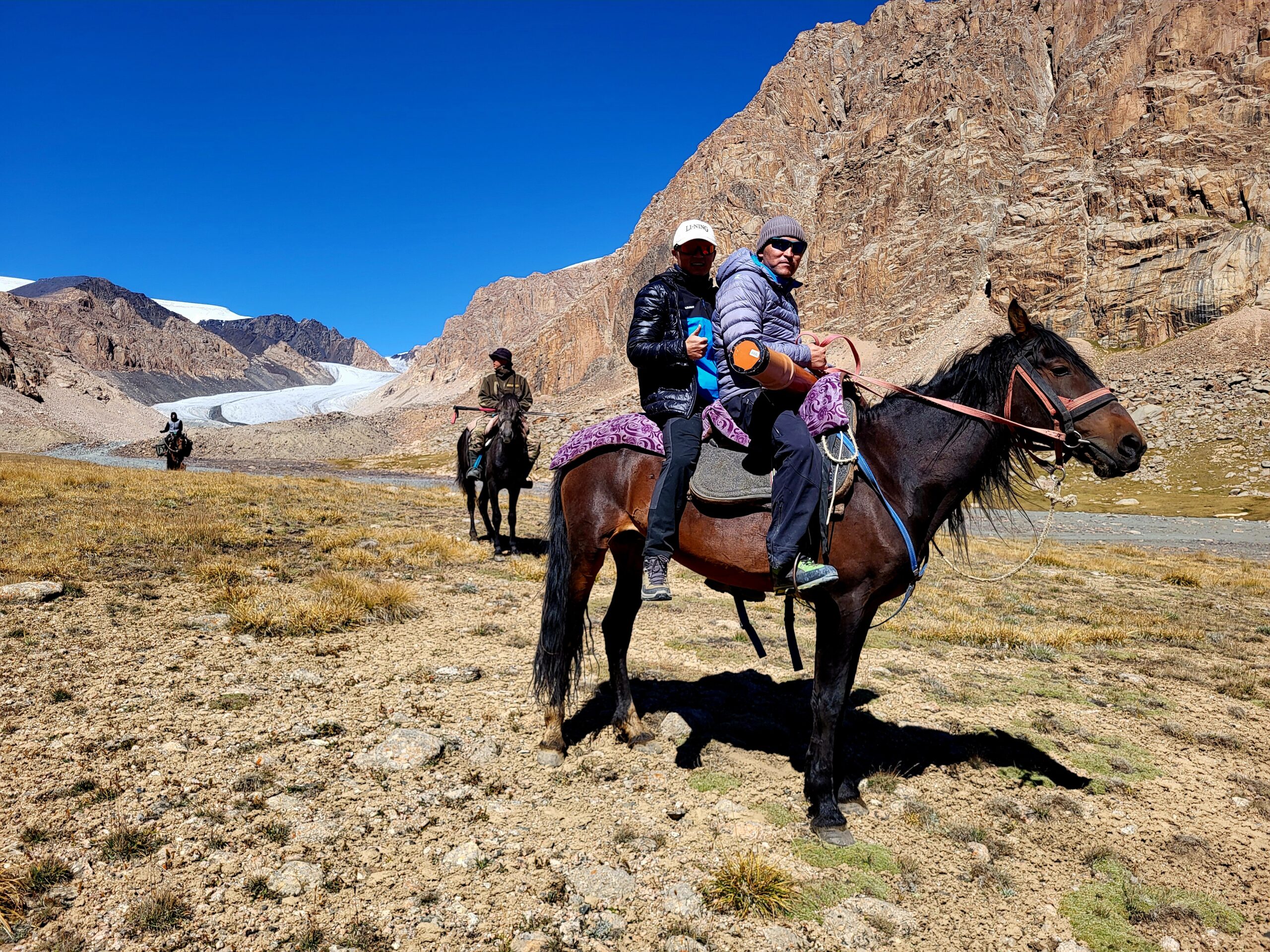
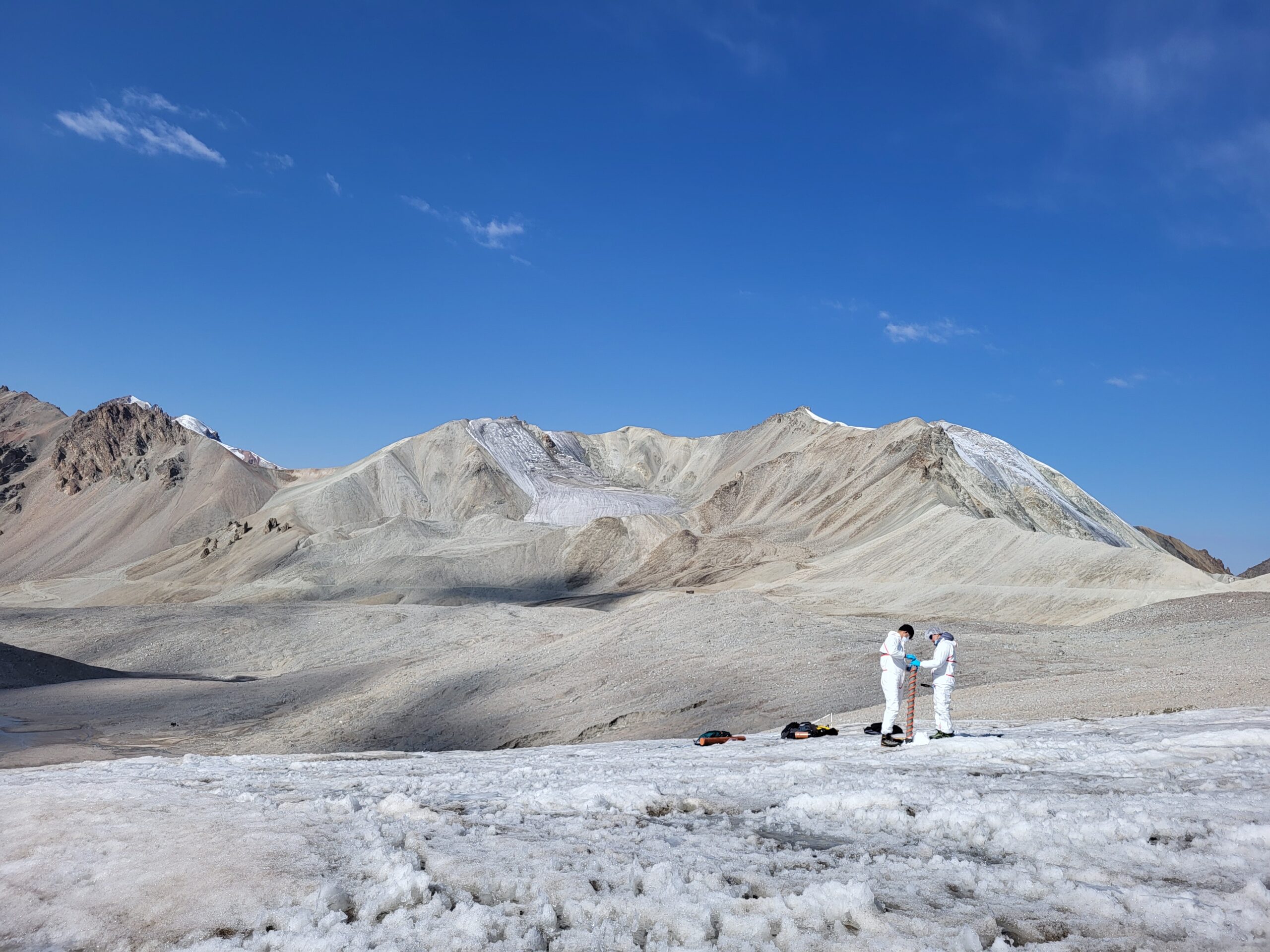
At the MACE lab, we study how microbes survive and adapt in snow, ice, and frozen soils. Through fieldwork, lab experiments, and molecular analyses, we uncover how these resilient life forms respond to a warming climate and help shape fragile alpine and polar ecosystems.
Research topics
1
Permafrost thaw and greenhouse gas release: When frozen ground thaws, trapped carbon becomes available to microbes, leading to the release of greenhouse gases like CO₂ and methane. We study how microbial communities shift with warming and how these changes influence ecosystem stability and climate feedbacks.
2
Microbial adaptation in the cold: We study how microorganisms survive and stay active in snow, ice, and frozen soils. They use special biochemical strategies, to function at subzero temperatures. These adaptations reveal how life responds to environmental change.
3
Microbial interactions and symbioses: Microbes interact constantly, sometimes cooperating, sometimes competing. We explore how these relationships shape microbial communities in cold environments and how partnerships between microbes and plants or animals help both adapt to harsh and changing conditions.
Our key projects
Alpine Microbiome Under Pressure
Across multiple Swiss-Alpine summits, we use passive warming plots to study how rising temperatures affect soil microbes and greenhouse gas emissions. These experiments reveal how mountain ecosystems respond to warming.
Swiss Federal Research Institute WSL
Snow Decline in the Alps
We study how reduced snow cover affects alpine soils and their microbes using field plots with snow removal and addition. Tracking changes across seasons helps us understand how shrinking snowpacks alter soil health, nutrient cycles, and greenhouse gas emissions.
Greenland Microbes on Newly Exposed Land
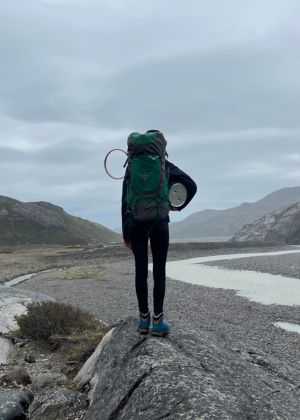
As Greenland’s glaciers retreat under climate warming, new soil ecosystems emerge where microbes quickly take hold. We study how these early communities transform lifeless sediments into richer soils and influence greenhouse gas fluxes.
ECEO
EERL
Our results and highlights
1
Our alpine field studies reveal rich and unique microbial diversity across different mountain sites, showing that even nearby ecosystems can host distinct microbial communities. We also find that while alpine soils release CO₂, many simultaneously take up methane (CH₄), helping to potentially offset greenhouse gas emissions.
Team & talents
Lab team size
8 people in the lab (not counting Master students)
Regional and social impacts
1
Our research helps predict how climate change affects alpine mountain and polar ecosystems. This will guide conservation and public awareness of cold regions.
2
Studying alpine soils and snow systems in Valais allowes us to support sustainable land use, biodiversity conservation, and climate adaptation strategies in this sensitive alpine region.
3
Preserving and studying cold-adapted microbial organisms opens new possibilities for sustainable biotechnology, from green chemistry and environmental solutions to novel enzymes for industrial applications.
Perspectives and challenges
Main opportunities
A main priority is to understand how warming will reshape Alpine ecosystems, microbial activity, and greenhouse gas balance. * Cold-adapted microbes offer untapped potential for sustainable biotechnological and industrial innovation.
Main challenges
Linking microbial data with climate models is challenging but can potentiall greatly improve predictions of greenhouse gas feedbacks.
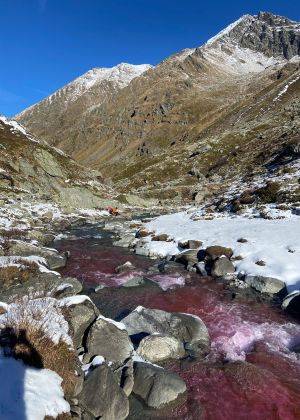
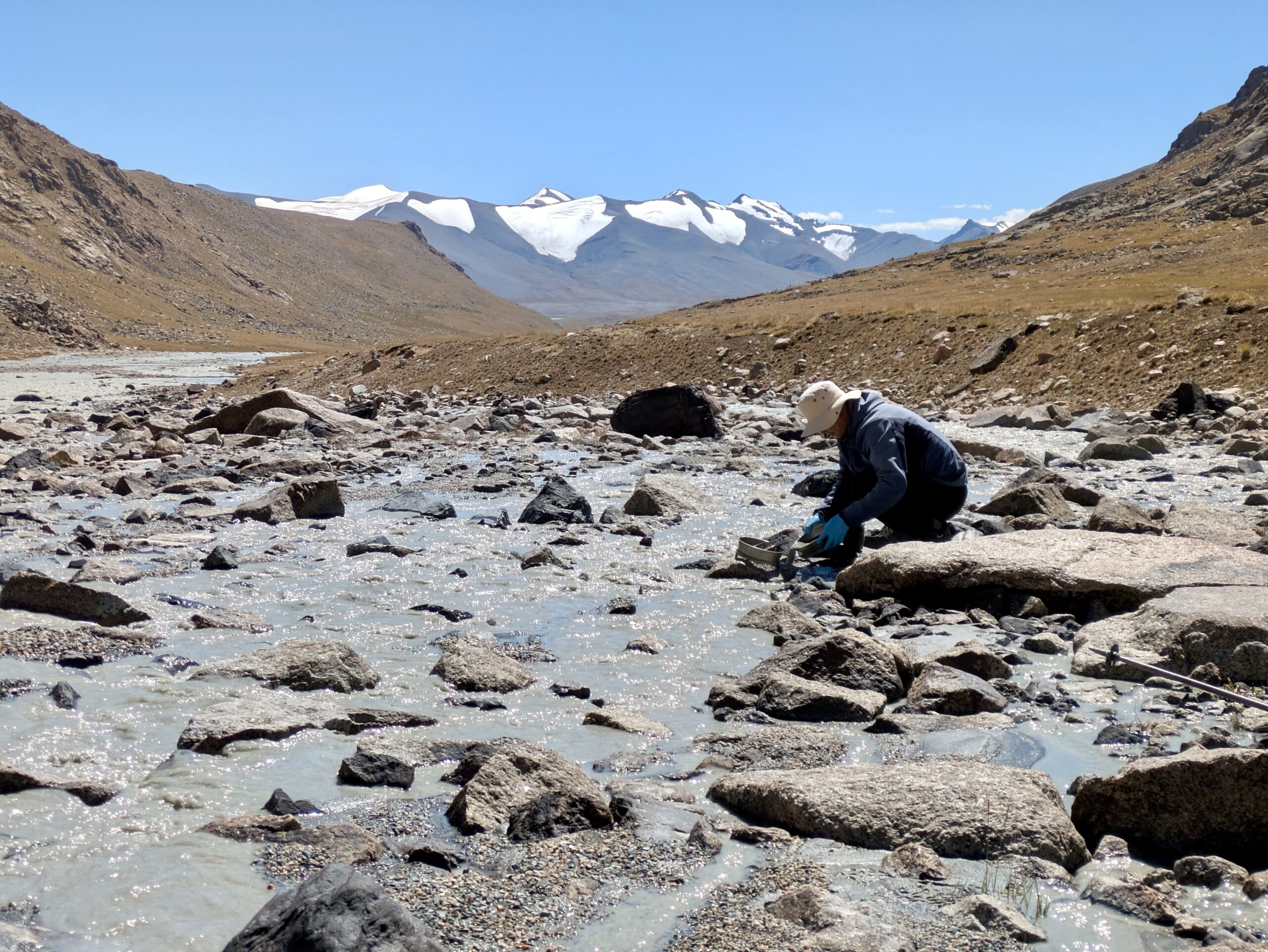
To understand the coupled physical, chemical and biological processes in high-mountain streams and rivers in the context of climate change.
Research topics
1
Understand climate change impacts on high-mountain river ecosystems.
2
Map the biological complexity in glacier-fed streams.
3
Undertand the role of rivers for the global carbon cycle.
Our key projects
BREATHE
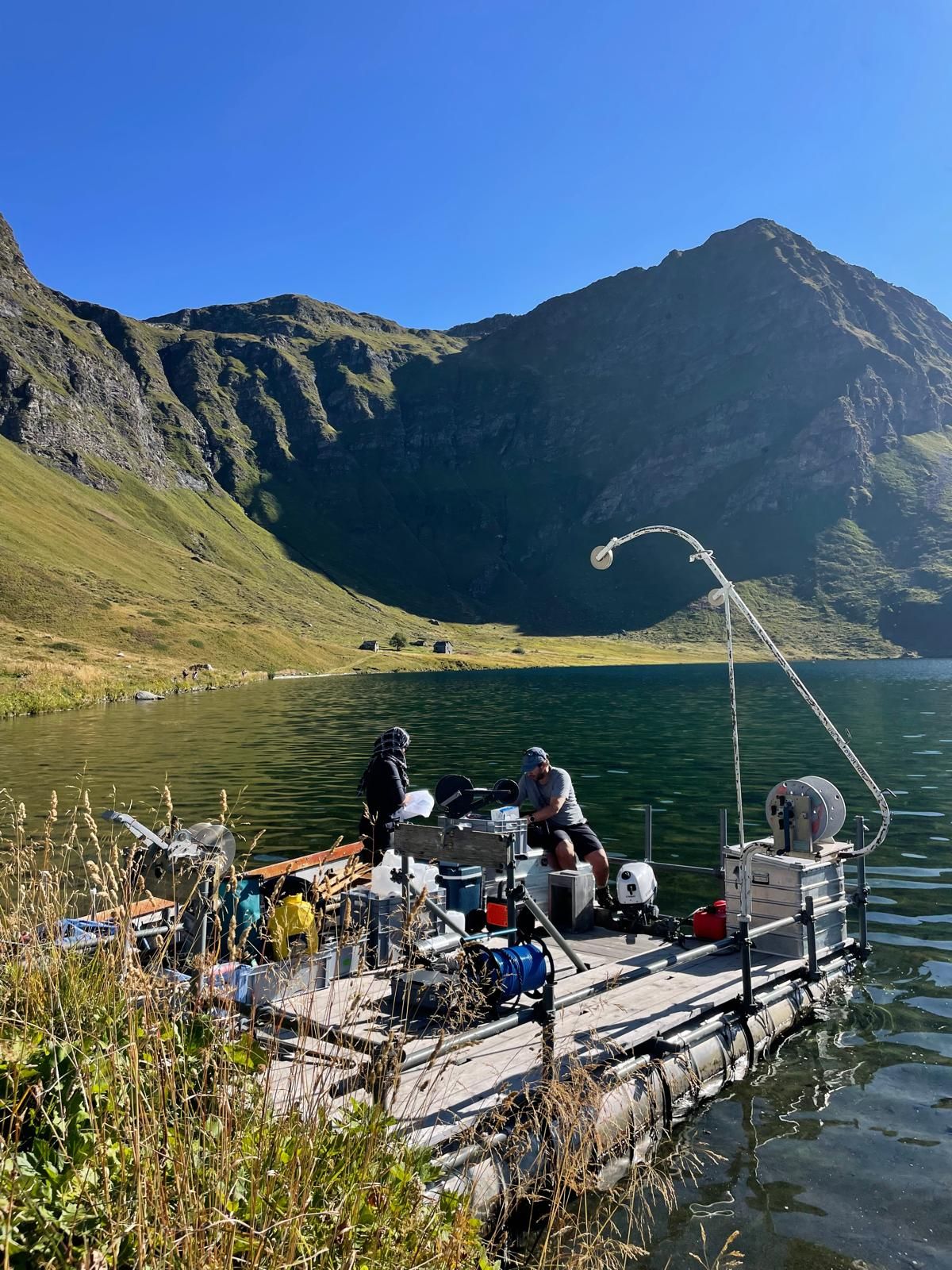
In collaboration with leading research European research institues, we design and test novel indicators for water quality based on sensor technologies and modeling.
Service de l'Environnement
SENTINELS
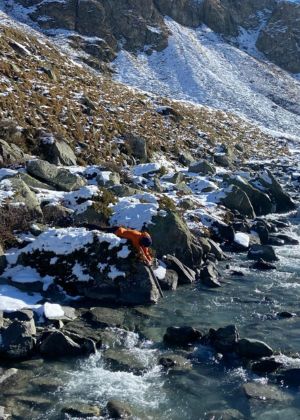
We combine fieldwork with sensor technology and modeling to predict hydrological regimes and carbon biogeochemistry in high-mountain river networks under the influence of various glacier types.
VIRUS
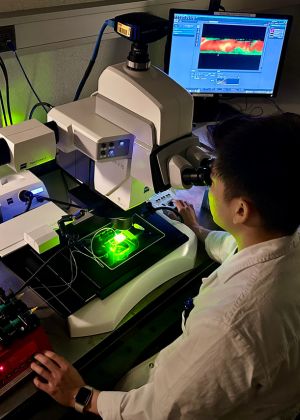
Blending fieldwork, bench-scale expertiments and advanced bioinformatics, we investigate effects of environmnetal viruses on bacterial biodiversity in glacier-fed streams.
EPFL,
Pasteur Institute Paris
Our results and highlights
1
Vanishing Glaciers Project from the NOMIS Foundation and PAMIR project from SPI successfully terminated.
2
BREATHE Project
3
Publications in leading journals (eg., Nature, Nature Geoscience)
Team & talents
Lab team size
Around 20 members across 13 nationalities.
Specific team member
Wai Hoe Chin is an outstanding scientist with a tireless dedication to the development of novel methods to detect and characterize novel virus from rivers.
Skills developed by the scientific team
conducting scientific research; plan demanding expedition; interact with stakeholders;
Regional and social impacts
1
Early warning systems for river ecosystem health deterioration.
2
Implementing novel strategies for water quality monitoring.
3
Implementation of a first-of-its-kind collection of viruses from streams in Valais.
Perspectives and challenges
Priority 1
Establish MIC – Microbial Initiative for the Cryosphere at ALPOLE
Priority 2
Secure funding to conduct research in Valais and Greenland
Main challenges
Acquiring funds for discovery-driven research.
Future Partnerships
With the European Molecular Biology Laboratory and Pasteur Institut Paris.
Cookie policy
By continuing to browse this site, you agree to the use of cookies to improve your user experience and for the generation of visit statistics.
You can customise the use of cookies using the buttons below.