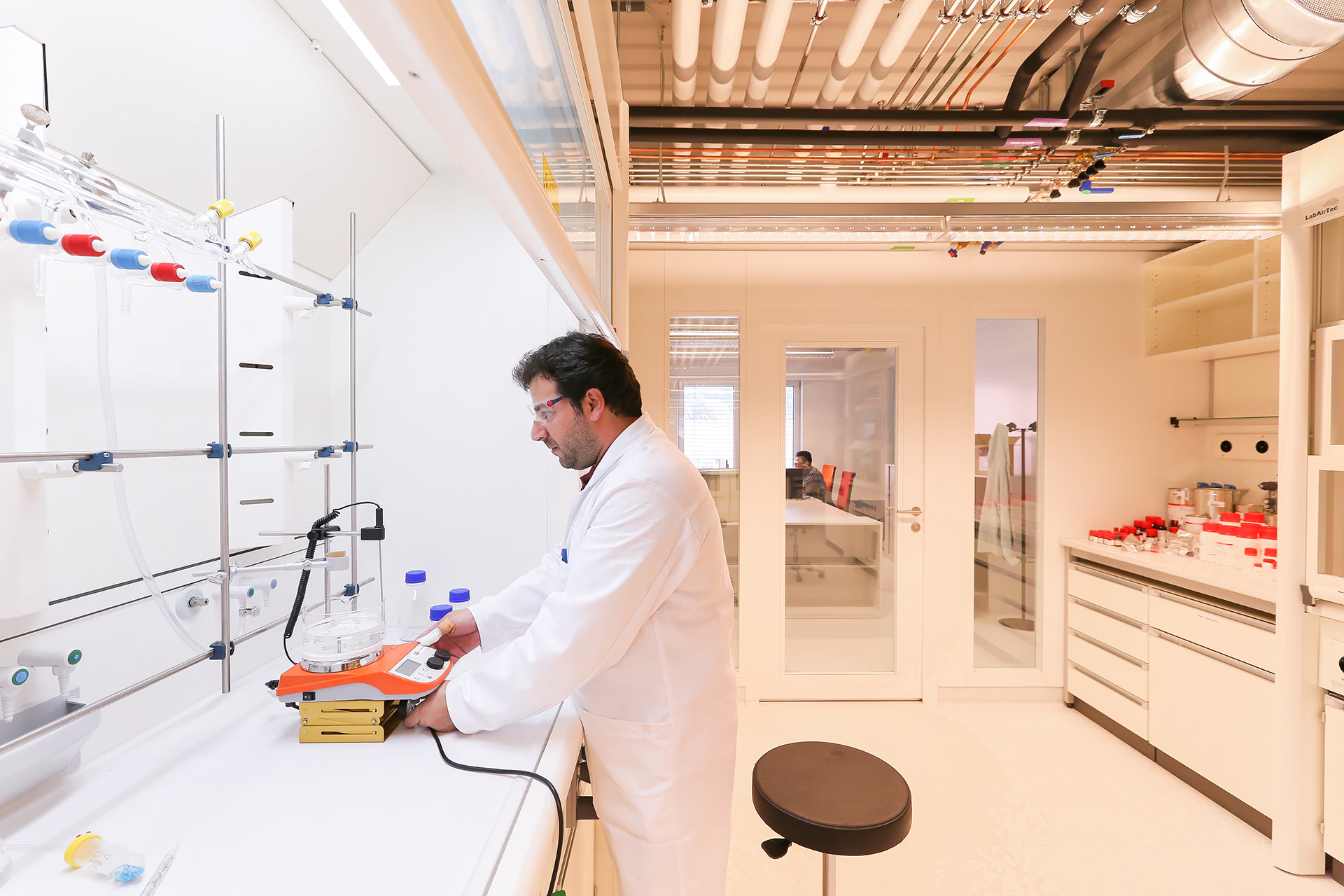
We advance materials discovery by uniting molecular simulation, data science, and AI. Through rigorous modeling, high-quality data, and holistic digital platforms, we accelerate breakthroughs in reticular chemistry and carbon capture, creating tools with real-world impact.
Research topics
1
We use advanced computer simulations to understand how new materials work at the atomic level. This helps us predict important properties—such as how they hold heat, absorb gases, or move water—before we make them in the lab.
2
We combine large datasets with modern AI methods to identify which materials are most promising for a given job. Instead of testing thousands of materials experimentally, we let AI narrow the search to the most useful ones.
3
We synthesize and characterize new materials—such as bright, tunable luminescent compounds—to explore their properties experimentally and connect them to our simulations and AI models.
Our key projects
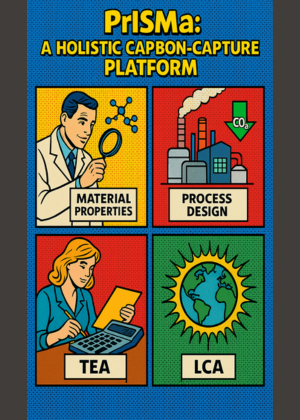
A unified platform linking material properties, process design, TEA and LCA to identify optimal CO₂-capture sorbents for real source–sink pairs.Used across >60 global case studies for system-level decisions.
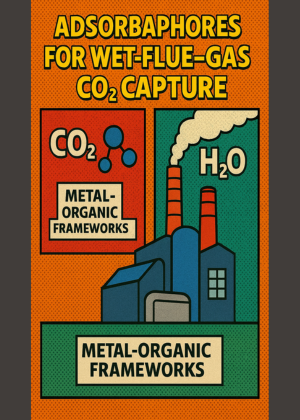
Using data-driven MOF screening, we identified robust CO₂-binding “adsorbaphores” resistant to humidity. Led to synthesis of Al-PMOF and Al-PyrMOF, which outperform commercial sorbents under wet conditions.
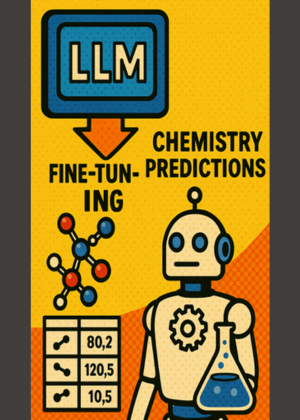
Fine-tuning large language models enables accurate prediction of materials properties and even inverse design with minimal data. Demonstrated across molecules, alloys and MOFs; surprisingly outperforms specialized ML in low-data regimes.
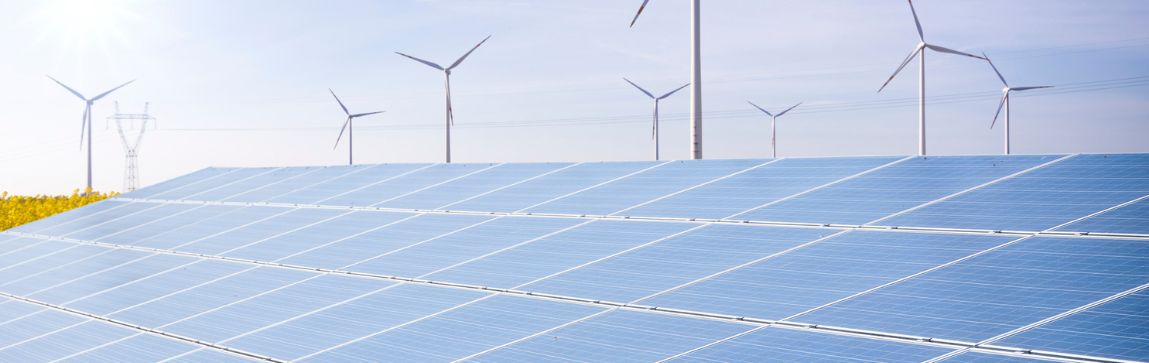
The research spans from fundamental science to applied research in the domaine of renewable energy storage by means of hydrogen and its derivatives. Investigation of reaction mechanism especially for hydrogen interacting with metals and carbon as well as analysis of energy systems in order to substitute fossil fuels with renewable energy. Search for new creative and innovative solutions and working beyond the obvious.
Research topics
1
Interaction of hydrogen with metals, hydrogen intercallation and structure of hydrides.
2
Reduction of CO2 and carbon hydrates with hydrogen, synthetic hydrocarbons as sustainable fuels for the future renewable energy economy.
3
Analysis of the technical requirements and economic impacts of renewable energy systems.
Our key projects
Metal hydride storage
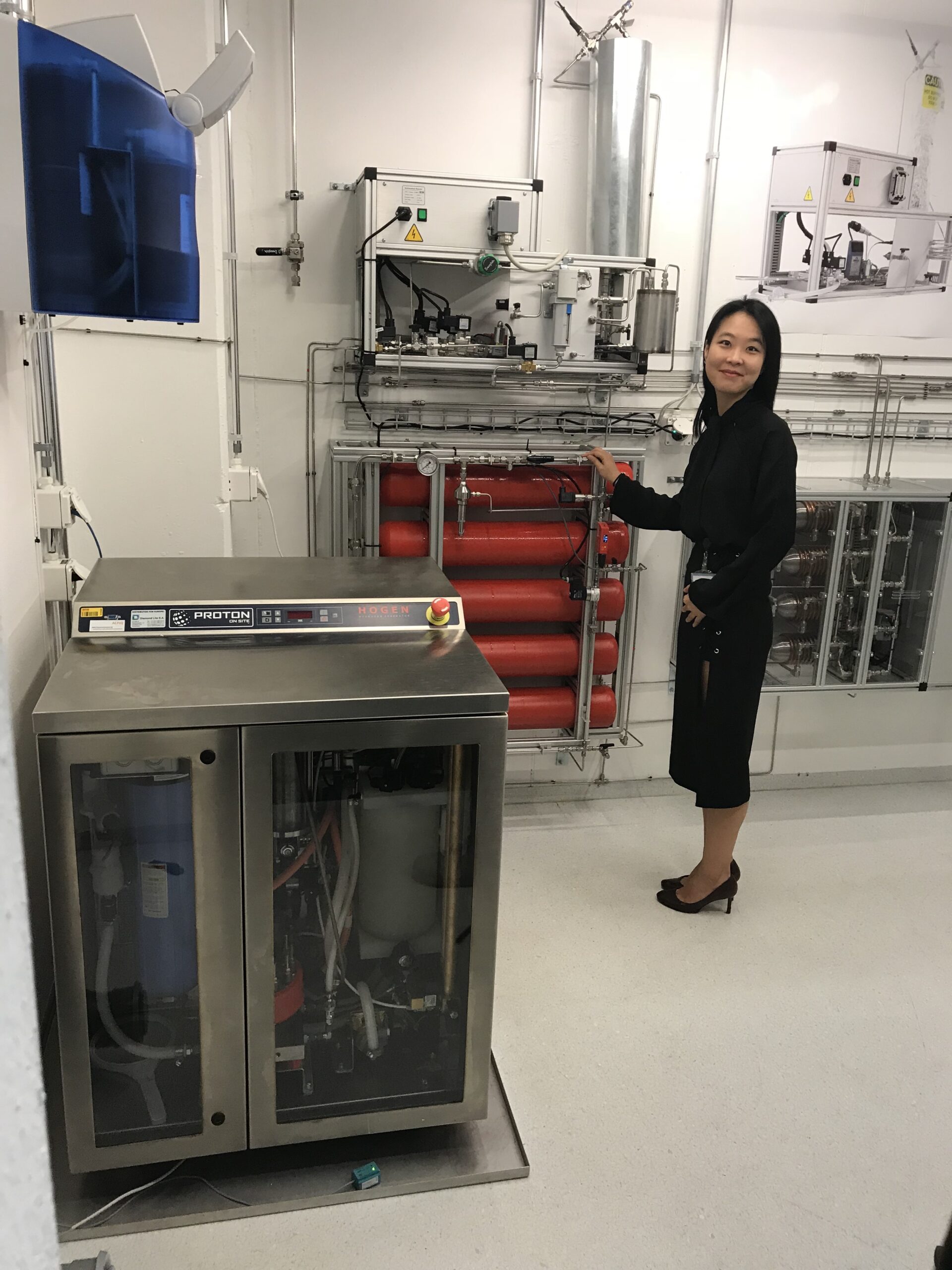
In collaboraion with Korean groups and GRZ Technologies a energy storage system is developed consisting of an electrolyzer from Korea and a metal hydride storage system from Switzerland. New hydrides based on bcc alloys allow to almost double the hydrogen storage density.
Biogas to Pure Synthetic Methane
Conversion of biogas to pure methane in collaboration with Gaznat. Hydriding the CO2 to synthetic methane in the presence of 50% methane after prior removal of the catalyst harming impurities. The methanation reaction leads to >99.6% of Methane in a one stage reactor. The impurities are separated from the biogas by new nanoporous membranes.
Palm Oil to Sustainable Aviation Fuel
Efficient synthesis of sustainable aviation fuel from palm oil by introducing a selective cracking and hydrogenation. Therefore, more than 75% of the input carbon is conserved in the desired product.
Our results and highlights
1
Publications on hydrides are the most cited in the field. Significant contributions hydrogen interaction with nanomaterials, metals and carbon.
2
Watt d’Or award, Hydrogen and Energy award
3
Long term international collaborations with leading groups in China, Japan, Korea, USA, and several European countries that led to many publications.
4
A series of patents on hydrides, catalysts, analytical techniques and applications are used in industry.
5
First description of the technical oportunities and economic impact of a complete transition of Switzerland to renewable energy: Andreas ZÜTTEL, Christoph NÜTZENADEL, Louis SCHLAPBACH, Paul W. GILGEN “Power plant units for CO2 Neutral Energy Security in Switzerland”, Frontiers in Energy Research: Process and Energy Systems Engineering, 12:1336016 (2024), https://doi 10.3389/fenrg.2024.1336016 (open access).
Team & talents
Lab team size
The team consists of 2 post docs, 7 PhD students and 2 to 5 internship students
Introducing a specific team member
Several former group members are now professors e.g. Wen LUO at Shanghai University or Emanuele MOIOLI at Poletechnico in Milano. Several group members have successfully created companies e.g. Noris GALLANDAT GRZ Technologis SA and Cedric KOOLEN SCIDENTIFY SA.
Skills developed by the scientific team
The learn to work not only on scientific interesting research topics but also to work on relevant scintific challenges and to produce valuable results beyond measurements.
Other
Contribution to the knowledge of the global science comunity by exchange and collaborating with the best scientists world wide.
Regional and social impacts
1
Renewable energy storage is the key technology needed in order to substitute the fossil fuels with renewables. The development of new new materials and technologies as well as the science directly serve the society.
2
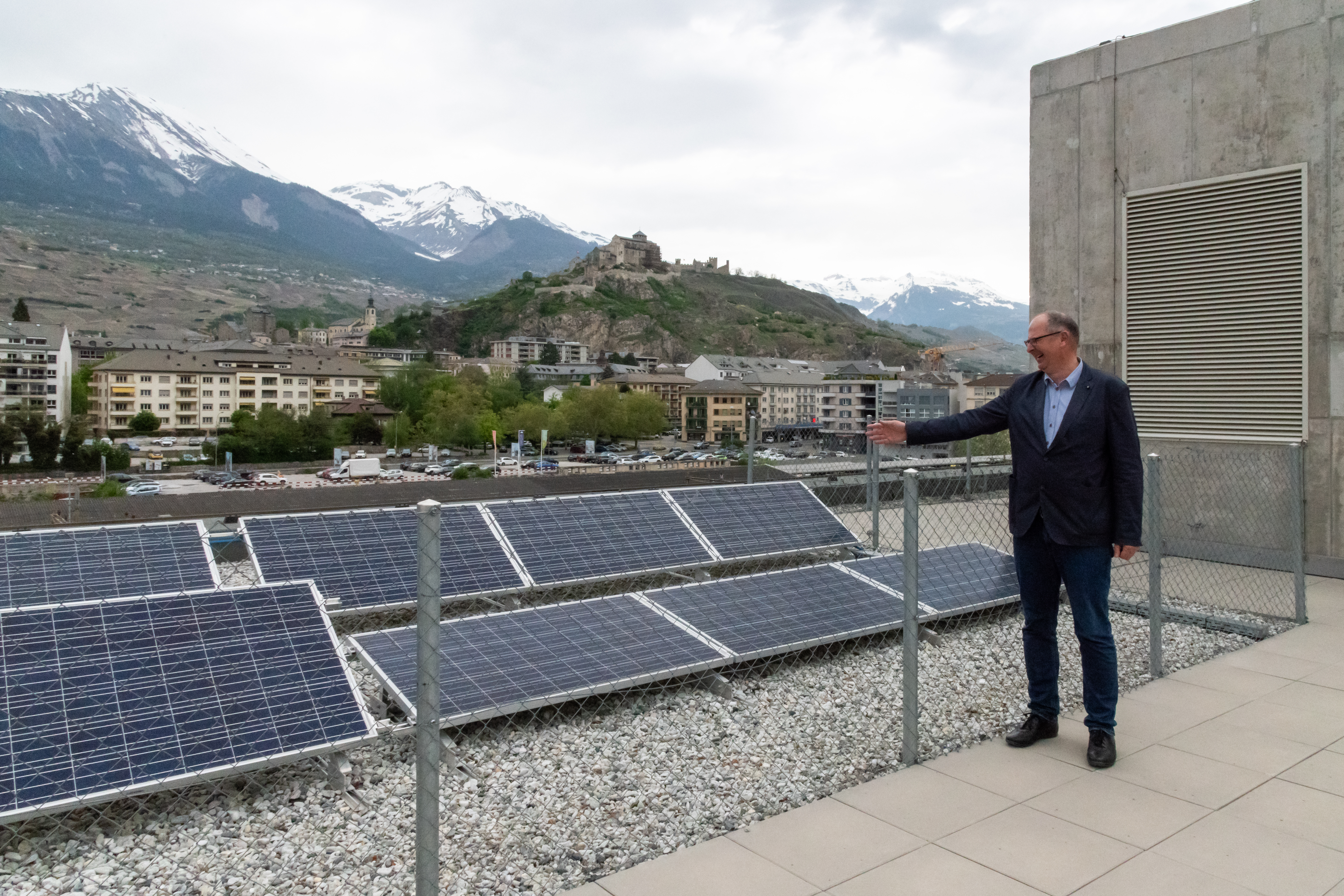
The increasing contribution of renewable energy to the energy mix is a key topic in Valais. New technologies create new activities, work and prosperity.
3
The energy transition to renewables is also a transition of the energy market. The economy profits from the knowledge created about the future technologies.
4
The contributions to the Swiss hydrogen association Hydropole (www.hydropole.ch) and the International Symposium Hydrogen & Energy (www.hesymposium.ch) links us within the Swiss energy network and the international comunity.
Perspectives and challenges
Priority 1
Hydrogen in metals and the properties of hydrides
Priority 2
Sustainable aviation fuels from biological oil
Priority 3
Renewable energy system analysis
Main challenges
Focus on the promotion of natural intelligence and profit from rather than substitute with artificial intelligence in order to concentrate on the most relevant topics for the benefit of humanity.
Future Partnerships
Increase the collaboration with China and concentrate on the best Chinese research groups to profit from the synergies to create mutual success.
Cookie policy
By continuing to browse this site, you agree to the use of cookies to improve your user experience and for the generation of visit statistics.
You can customise the use of cookies using the buttons below.