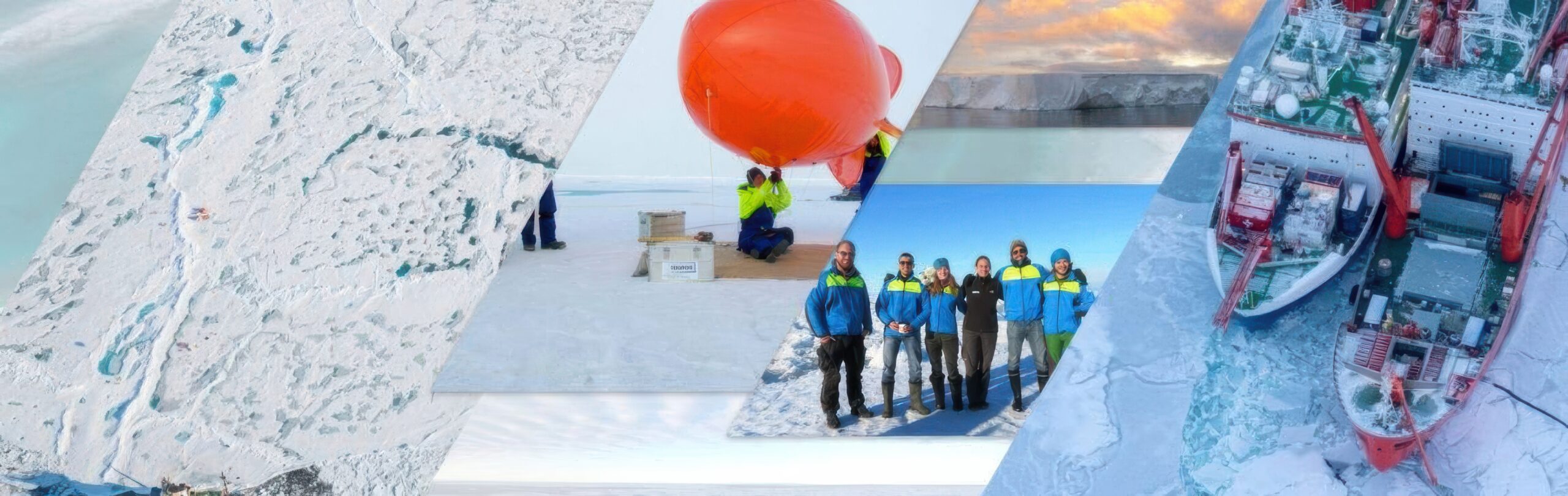
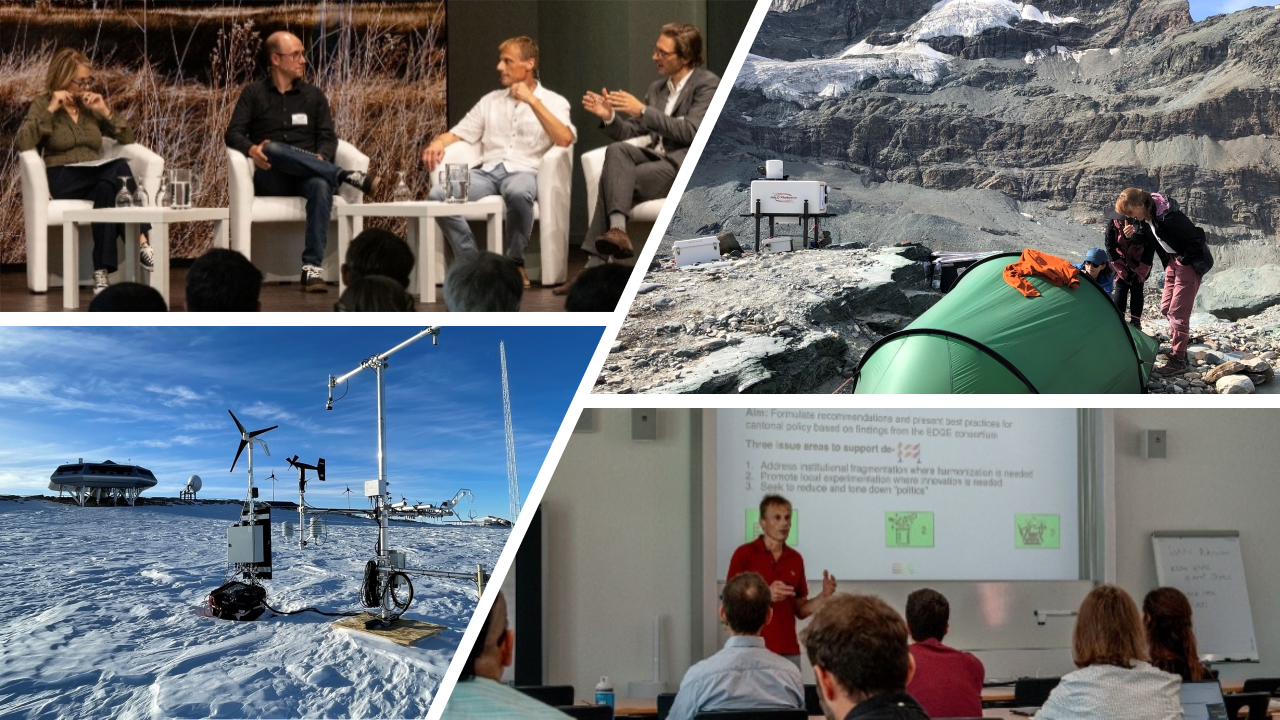
Extreme environments are particularly sensitive to climate change and are transforming at accelerated rates. This can have important global repercussions. EERL aims to create integrated process understanding by investigating interactions between the atmosphere, cryosphere, biosphere, ocean, land and anthroposphere. The goal is to characterize climate-change relevant and vertically-resolved processes that are directly influenced by humans, and natural processes that are simultaneously undergoing change due to climate forcing. The enhanced process understanding will enable us to better simulate the fate of extreme environments in the context of global change and resulting implications for society.
Research topics
1
We investigate the molecular-level chemical composition of aerosols with cutting edge instrumentation to determine the sources of the aerosol particles.
2
We study the vertical thermodynamic structure of the atmosphere and how aerosols are dispersed from the surface to higher altitudes where they participate in cloud formation.
3
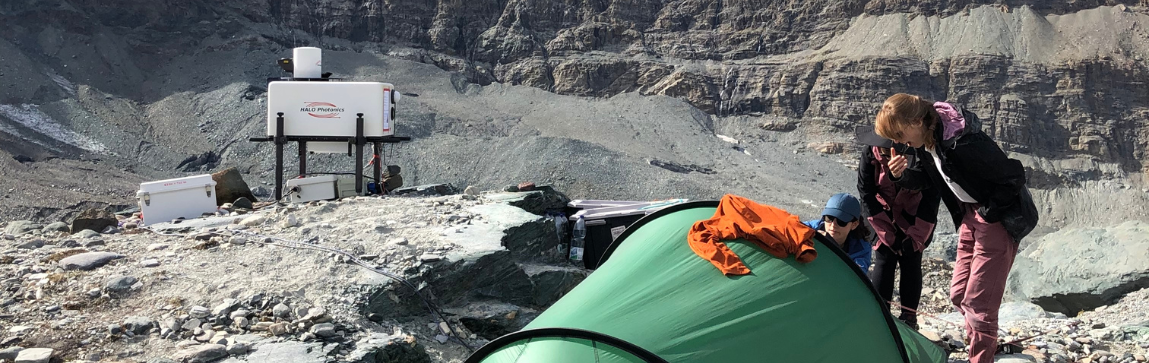
We develop new analytical methods and facilities for vertical atmospheric measurements, notably a tethered balloon, the EERL helikite.
Our key projects
ORACLES
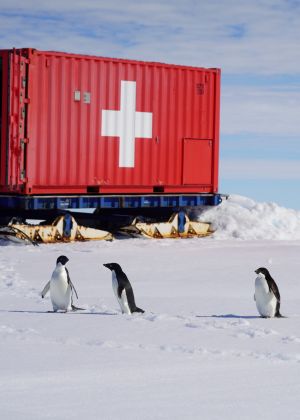
How are clouds formed in Antarctica? To answer this question we performed tethered balloon observations at Neumayer III station for the second season in a row.
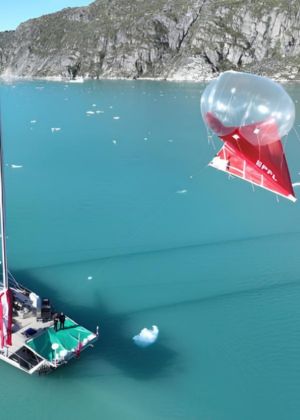
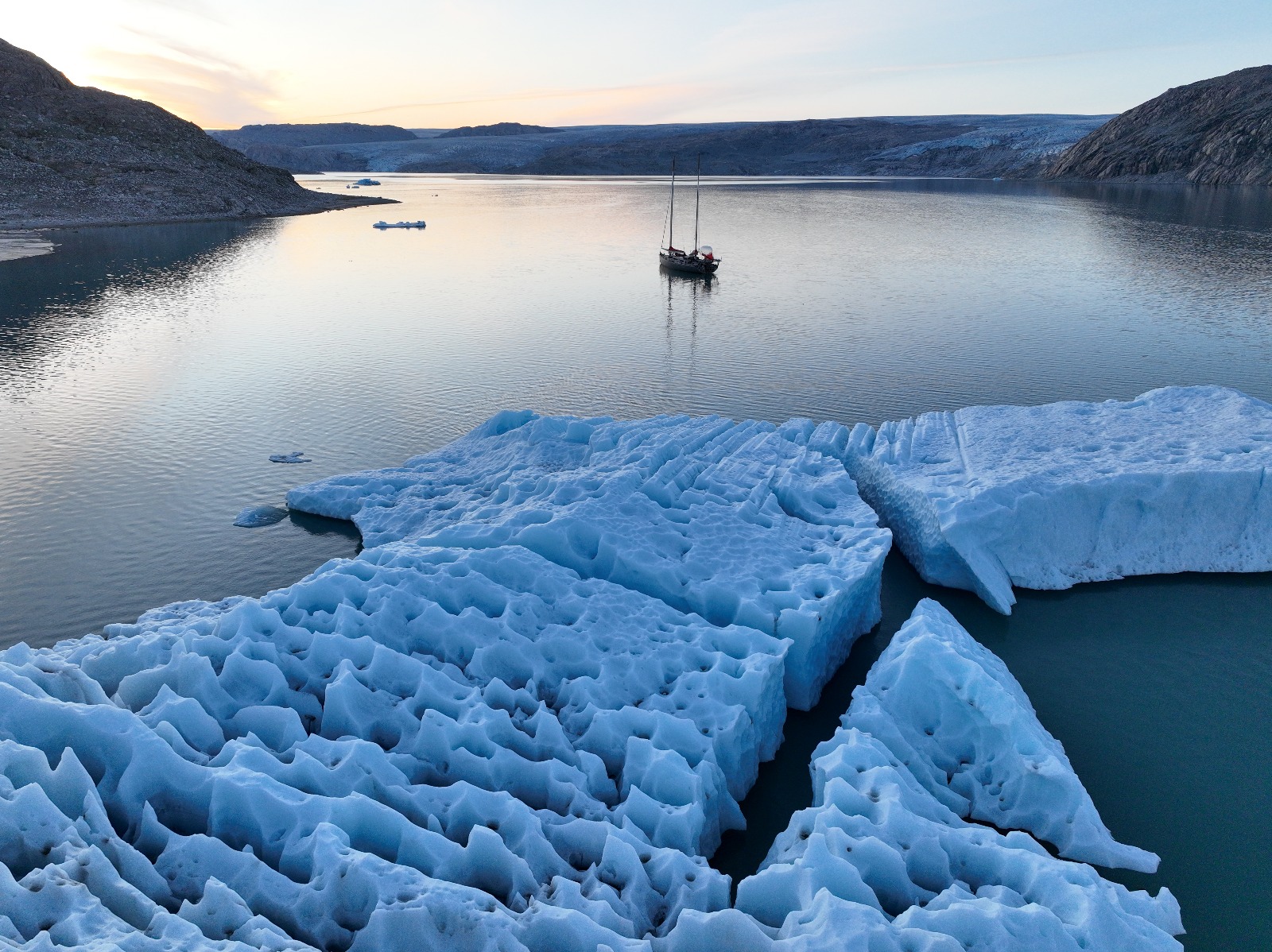
Using the Swiss research sailboat Forel, we studied the ocean-ice-atmosphere interactions in Southern Greelandic fjords. This year, we deployed our new automated tethered balloon facility, AVATAR, to measure the vertical distribution of aerosol particles.
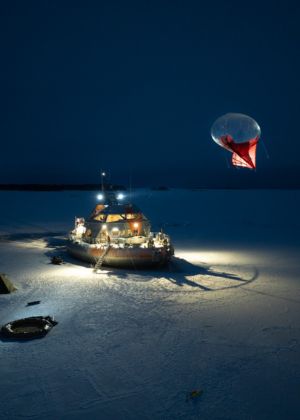
The TPS will drift for 18 months in the central Arctic Ocean ten times to observe the sea ice decline over the next 20 years. The EERL takes a leading role in atmospheric observations to understand the impact of aerosols on climate change.
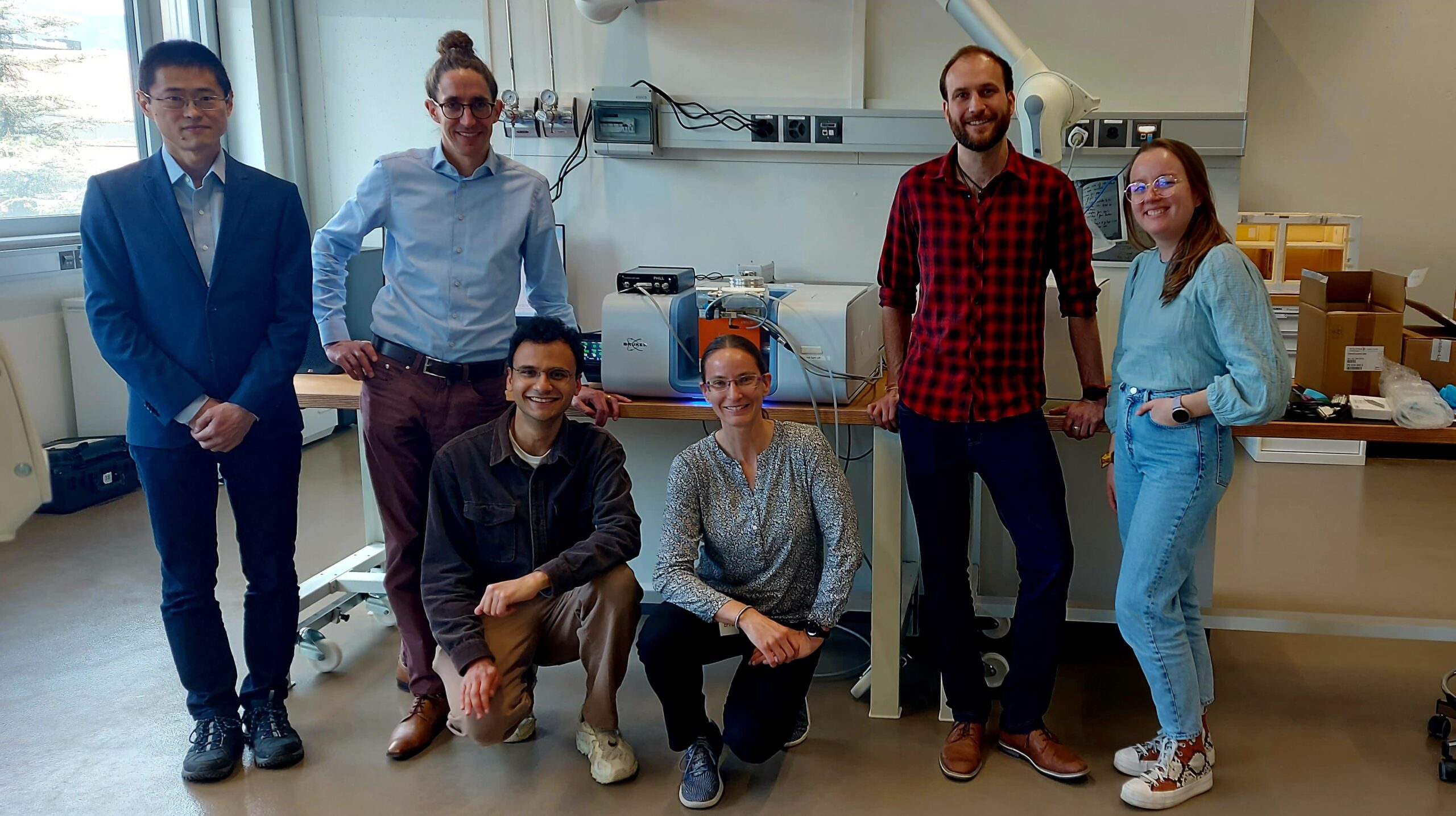
The EERL developed in collaboration with the startup Invisible Light Labs (Vienna, Austria) and the LESC laboratory at EPFL a new technology to measure aerosol chemical composition. Using nanoelectrical membrane systems coupled to Fourier transform infrared spectroscopy (NEMS-FTIR), we are now able to measure picograms of aerosol mass. The system is so light weight that it can be flown on EERL’s tethered balloon facility.
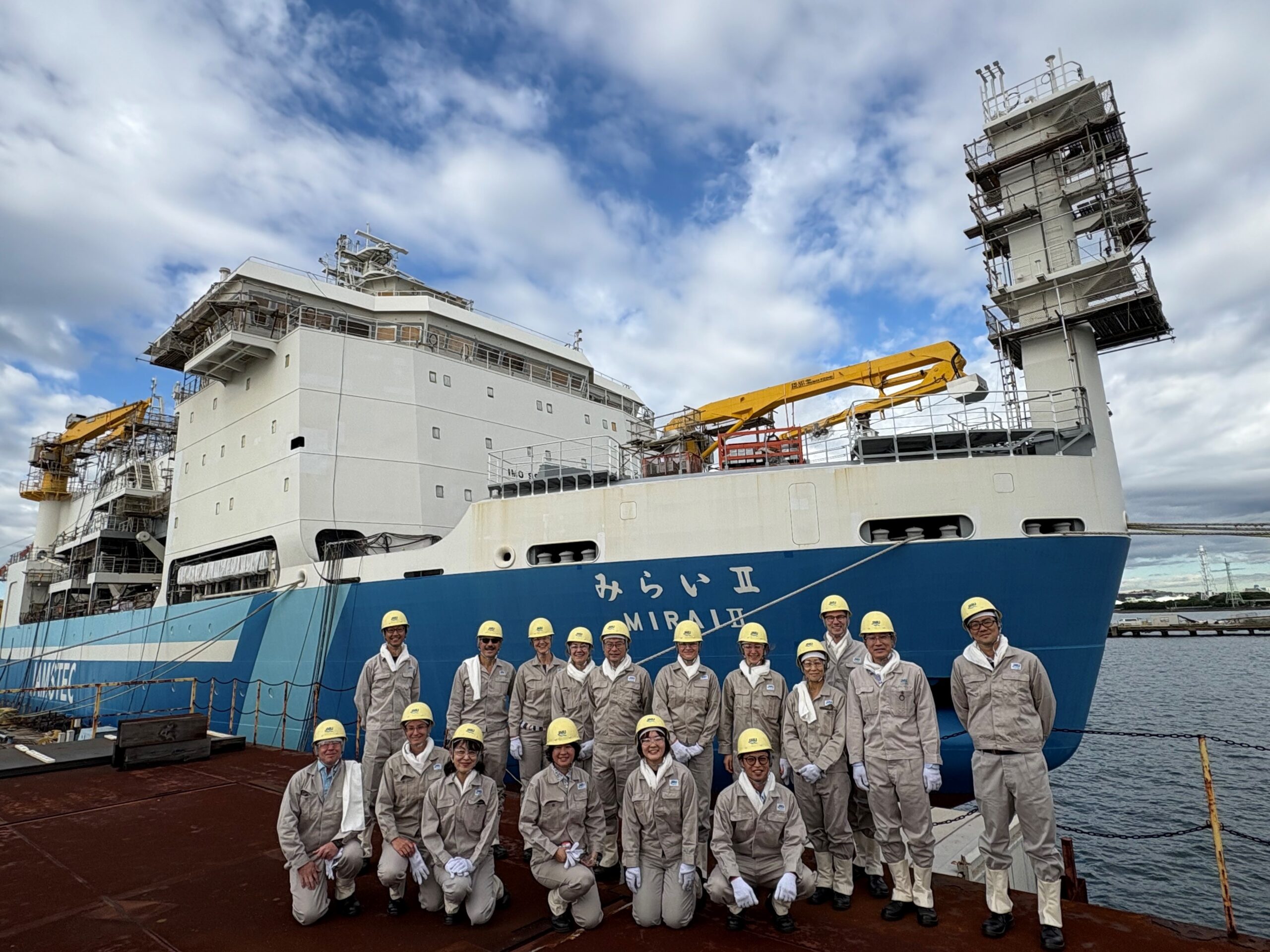
Julia Schmale was invited to the National Institute of Polar Research in Japan to discuss the future missions of the new icebreaker Mirai II.
2
Awards
Roman Pohorsky received the Environmental Engineering Doctoral School Thesis Award as well as the Early Career Scientist Award of the European Aerosol Society
Dr. Benjamin Heutte received the poster award at the Farrady Discussions conference of the Royald Chemical Society, UK
MSc Lorenzo Comi obtained the master thesis award of the Societé Suisse des Ingénieurs et des Architectes, Vaud.
Lionel Favre won a photograph award by the journal Nature in the category “Scientists at work”
3
New Funding
We are partners to two newly funded Swiss Polar Institute Flagship Programs: ARKTIS for Tara Polar Station and DOMINO for Antarctic research.
We were also funded by the BNP Paribas foundation in collaboration with French partners for the Tara Polar Station.
Team & talents
Lab team size
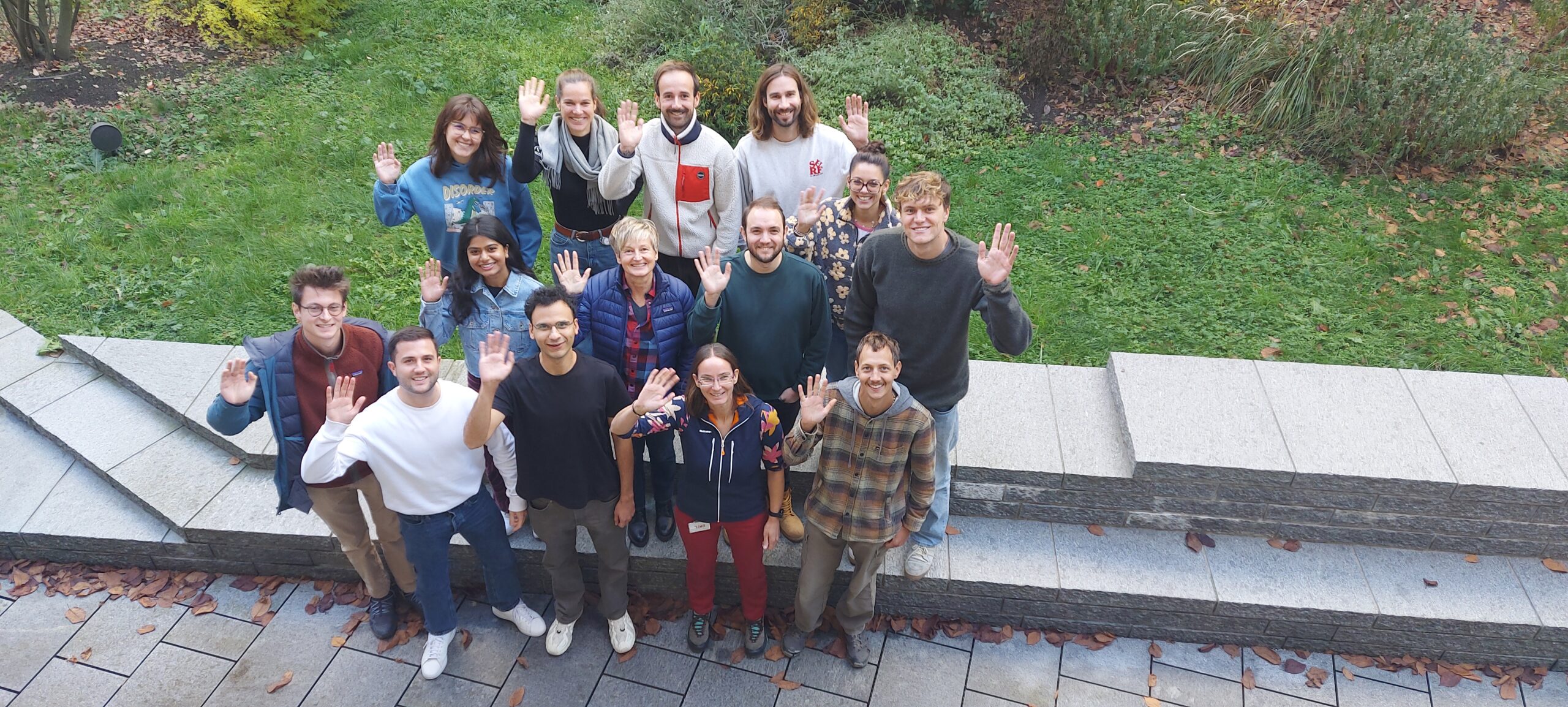
EERL has currently 17 members.
General skills
EERL members have educational backgrounds in engineering, meteorology, chemistry, physics and environmental science. We seek people that think creatively, love challenges, like to be outdoors in polar regions and care about environment and people.
Skills developed by the scientific team
Our skills comprise building new scientific instruments, developing analyses codes, illustrating our science results and capturing our research with stunning images.
Regional and social impacts
1
Our research helps to improve climate model simulations to better anticipate global challenges of climate change.
2
Our focus on air quality can help identify challenging weather patterns that exacerbate local pollution, particularly in winter when temperature inversions lead to high pollution in the Rhone Valley. In addition, we can quantify the impact on air pollution of Saharan dust events and long-range transported fire emissions.
3
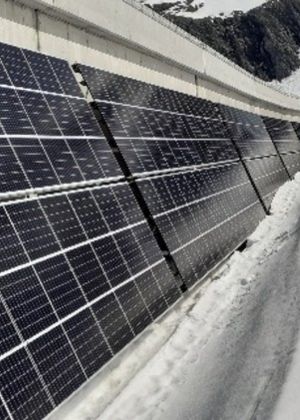
Our routine observations in Valais at ALPOLE can guide operators of solar panels when a lot of dust deposition and hence lower performance is expected.
Perspectives and challenges
Priority 1
Study the decline of Arctic sea ice and the implications for weather in Europe
Priority 2
Understand how fast and when Antarctica will react to climate change
Priority 3
Cultivate a regenerative mind set to tackle sustainability challenges
Future Needs
New instruments that deliver high quality data and are light weight need to be developed long-lived batteries for autonous science stations are required
anti-icing materials that are environmentally friendly are needed.
Industry Partnerships
We seek partnerships with industry and start ups to work on solutions for our three main challenges.
CRYOS investigates the processes that shape snow and atmosphere in mountain and polar regions and their role in a changing climate. CRYOS also works on risk management and optimization of renewable energy production in alpine terrain based on its expertise in wind, water, and radiation processes.
Research topics
1
We study the processes at the interface of snow and ice with the atmosphere to understand and quantify the energy and mass balance which are changing in a warming climate. Results will help in predicting and adapting to climate change, in the sectors of natural hazards, alpine tourism, agriculture, and renewable energy production.
2
The lab investigates the potential of wind and solar resources for renewable energy production in mountain regions with particular focus on optimization such as better balancing summer and winter production and increasing energy production in winter to reduce the seasonal production deficit.
3
CRYOS develops and applies physics-based numerical models for snow, permafrost and the lower atmosphere, which are used in theoretical and applied research. Such models allow for predictions and for simulating scenarios of events and possible changes in alpine and polar regions.
Our key projects
SWEET EDGE
As part of the “SWiss Energy research for the Energy Transition” program, EDGE seeks to provide scientific evidence to fast-track the growth of locally sourced decentralized renewable energy in Switzerland, to help achieving renewable energy targets in 2035 and 2050.
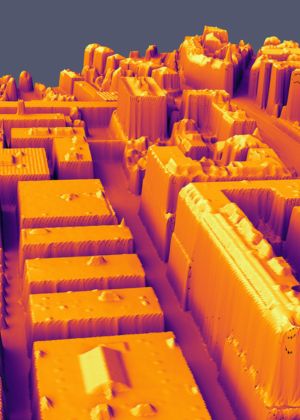
In the UrbanTwin ETH domain joint initiative project we are investigating the urban microclimate and its effect on renewable energy production. Urban heat island characteristics and potential mitigation measures are modeled and scenarios developed for the future.
Multiple groups at EPFL and ETHZ across schools and disciplines
In the SNF-funded project "SmallScaleSnow@Large", we investigate snow - atmosphere exchange in extreme environments in particular the large-scale effects of drifting and blowing snow. First results point to the influence not only on the local mass balance but also on cloud formation and precipitation.
Swiss Polar Institute
SLF
International Polar Foundation
Centre d'Etudes Spatiales de la BIOsphère (CESBIO)
Finalizing a complete assessment of snow distribution and electricity yield for a planned photovoltaic installation installation at Prafleuri together with the Spin-Off company SUNWELL
2
Outstanding Oral Presentation by Dr. Hendrik Huwald, 30th Intl. Symp. on Polar Sciences (ISPS) – granted by Minister of Ocean and Fisheries, Republic of Korea
3
Current and future shifts of snow regimes in extreme environments (SNOWSHIFTS) 2026-2032, funded by European Research Council (ERC)
Dynamic changes in air-snow-ice-ocean interactions with global warming: An observational programme in Antarctica and the Southern Ocean supported by multi-scale modelling (DOMINO) 2026-2030, funded by Swiss Polar Institute (SPI)
4
The “Antarctic Wind Atlas” is a high-resolution dataset that maps wind conditions across Antarctica, developed using a combination of atmospheric models, observations, and machine learning. It provides detailed information on wind speed and energy potential, even in remote and previously unmeasured regions. This product helps scientists and stakeholders better understand the Antarctic climate and supports planning for sustainable energy and research infrastructure.
Team & talents
Lab team size
Current team : 16 (1 professor, 7 senior scientists (post-doc & scientific collaborators), 7 PhD students, 1 administrative collaborator)
Specific team member
Rainette Engbers is a PhD student in her first year. Her work aligns well with the cryospheric research in the Group studying blowing snow with both modelling and data analysis. In this framework, she has set-up sensors during her field expedition to Antarctica. Just after return from Antarctica, she had a very good candidacy exam.
Skills developed by the scientific team
CRYOS members work very autonomously under targeted scientific guidance. They develop expertise in environmental science and engineering, fieldwork and instrument deployment, numerical modeling and machine learning, as well as science communication and outreach.
Regional and social impacts
1
Facts and information on local consequences of climate change. Propositions for mitigating and solutions for better adapting to consequences of climate change.
2
Contribution to the management of local water resources and natural hazards. Assessment and potential of renewable energy sources in alpine regions.
3
Data and scenario simulations for ski resorts and mountain tourism in general. Knowledge, data, and simulations for hydropower sector. Support for development of high-Alpine Photovoltaic and wind resources.
4
Better urban climate in Sion.
Perspectives and challenges
Main priorities
Successful and coordinated start of SnowShifts and DOMINO projects
Development of a new SNF proposal on snow
Main challenges
Continuation of renewable energy research after end of the EDGE project
Future Partnerships
CESBIO Toulouse
GFZ Potsdam
Laboratory of Catchment Hydrology and Geomorphology (CHANGE)
Prof. Sara Bonetti
Laboratory of Catchment Hydrology and Geomorphology (CHANGE)
At CHANGE we seek to improve current understanding and forecasting capabilities of land surface processes in natural and managed ecosystems. Our ultimate goal is the definition of adaptation strategies to future-proof soil and water resources in light of increasing anthropogenic and climatic pressures.
Research topics
1
Catchment water, carbon, and nutrient dynamics. We study the interactions between soil-plant dynamics, climatic variability, land erosion in natural and managed ecosystems, with applications ranging from forestry, to agriculture, and climate.
2
Ecohydrology of agroecosystems. We use and develop mathematical frameworks to tackle interlinked challenges of food security, climate change adapataion and mitigation, and environmental sustainability in agroecosystems.
3
Landscape evolution and soil erosion. We are intrested in understanding how landscapes evolve through multiple erosional and depositional processes and how these ultimately affect (and are affected by) vegetation and soil carbon dynamics.
Our key projects
SOCscape
We combine newly designed monitoring campaigns in Alpine catchments with state-of-the-art detailed numerical modeling to evaluate the dynamics of soil carbon redistribution, fluxes, and stocks in topographically complex landscapes. More here: https://www.epfl.ch/labs/change/research/assessing-soil-carbon-dynamics-in-landscapes-of-complex-topography-socscape/ .
By leveraging detailed numerical modeling of soil-plant dynamics, we quantify the benefits of different climate-smart agricultural practices, and identify the combinations of practices that concurrently optimize crop production, climate change mitigation, and preservation of environmental resources in different soils and ecoregions. More here: https://www.epfl.ch/labs/change/research/global-quantification-of-the-benefits-of-climate-smart-agriculture-under-future-climates-smart-agri/
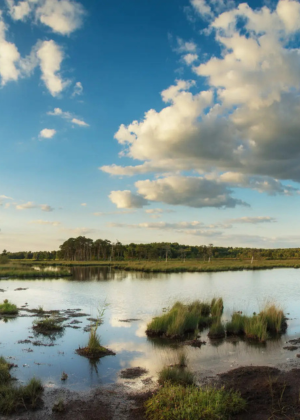
We are developing a process-based framework that links hydrological and vegetation drivers with wetland micromorphology to assess their role in the net ecosystem carbon exchange, thus providing a tool to quantify carbon fluxes in wetland systems. More here: https://www.epfl.ch/labs/change/research/carbon-removal-in-wetland-restoration/
Mathematical modeling, advanced data analysis, project and time management, complex thinking, public speaking
Regional and social impacts
1
Food security, Climate change adaptation and mitigation, Sustainable use of soil and water resources
2
Understanding climate change impacts on Alpine ecosystems. Adapting agricultural management practices in the face of climate change.
3
Aiding the development of decision support systems, informing MRV protocols, analysis of managemetn scenarios
Perspectives and challenges
Priority 1
Understanding how ecosystem management affects and is affected by climatic changes
Priority 2
Developing science-based tools to quantitatively assess ecosystem reponses to climatic and anthropogenic pressures
Complex Ecosystems
Ecosystems are highly complex systems, characterized my complex interactions between multiple biotic and abiotic processes
Balancing Key Variabilities
High spatial and temporal variability of many key quantities – Need to balance multiple societal needs in devising optimal management strategies
Cookie policy
By continuing to browse this site, you agree to the use of cookies to improve your user experience and for the generation of visit statistics.
You can customise the use of cookies using the buttons below.