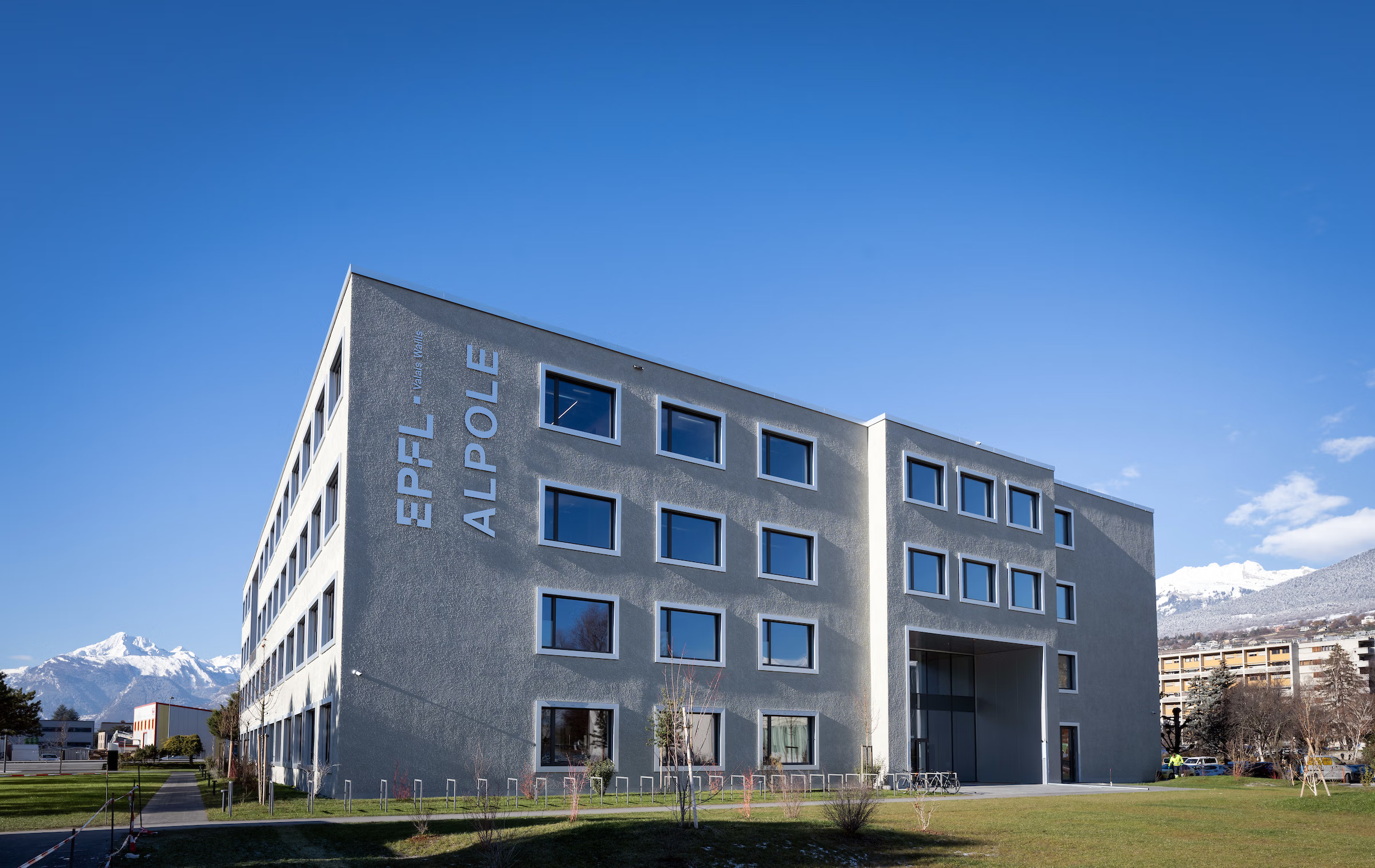
Our laboratories
Atmospheric Science
Prof. Julia Schmale
Extreme Environments Research Laboratory (EERL)

Ecohydrology, Landscape evolution, Modeling
Prof. Sara Bonetti
Laboratory of Catchment Hydrology and Geomorphology (CHANGE)
Cryospheric Sciences
Prof. Michael Lehning
Laboratory of Cryospheric Sciences (CRYOS)
Remote Sensing, Machine learning
Prof. Devis Tuia
Environmental Computational Science and Earth Observation (ECEO)
River science
Prof. Tom Ian Battin
River Ecosystems Laboratory (RIVER)

Environmental Microbiology
Prof. Ianina Altshuler
Microbiome Adaptation to the Changing Environment (MACE)

Soil Biogeochemistry
Prof. Meret Aeppli
Soil Biogeochemistry Laboratory (SOIL)
Biogeochemistry, climate change
Prof. Jérôme Chappellaz
Smart Environmental Sensing in Extreme Environments Laboratory (SENSE)

Chemistry
Prof. Wendy Queen
Laboratory for Functional Inorganic Materials (LFIM)

Chemistry, physics, materials science
Prof. Dr. Sascha Feldmann
Laboratory for Energy Materials (LEM)

Chemistry
Prof. Raffaella Buonsanti
Laboratory of Nanochemistry for Energy (LNCE)
Chemical Engineering
Prof. Kumar Varoon Agrawal
Laboratory of Advanced Separations (LAS)
CO2 capture
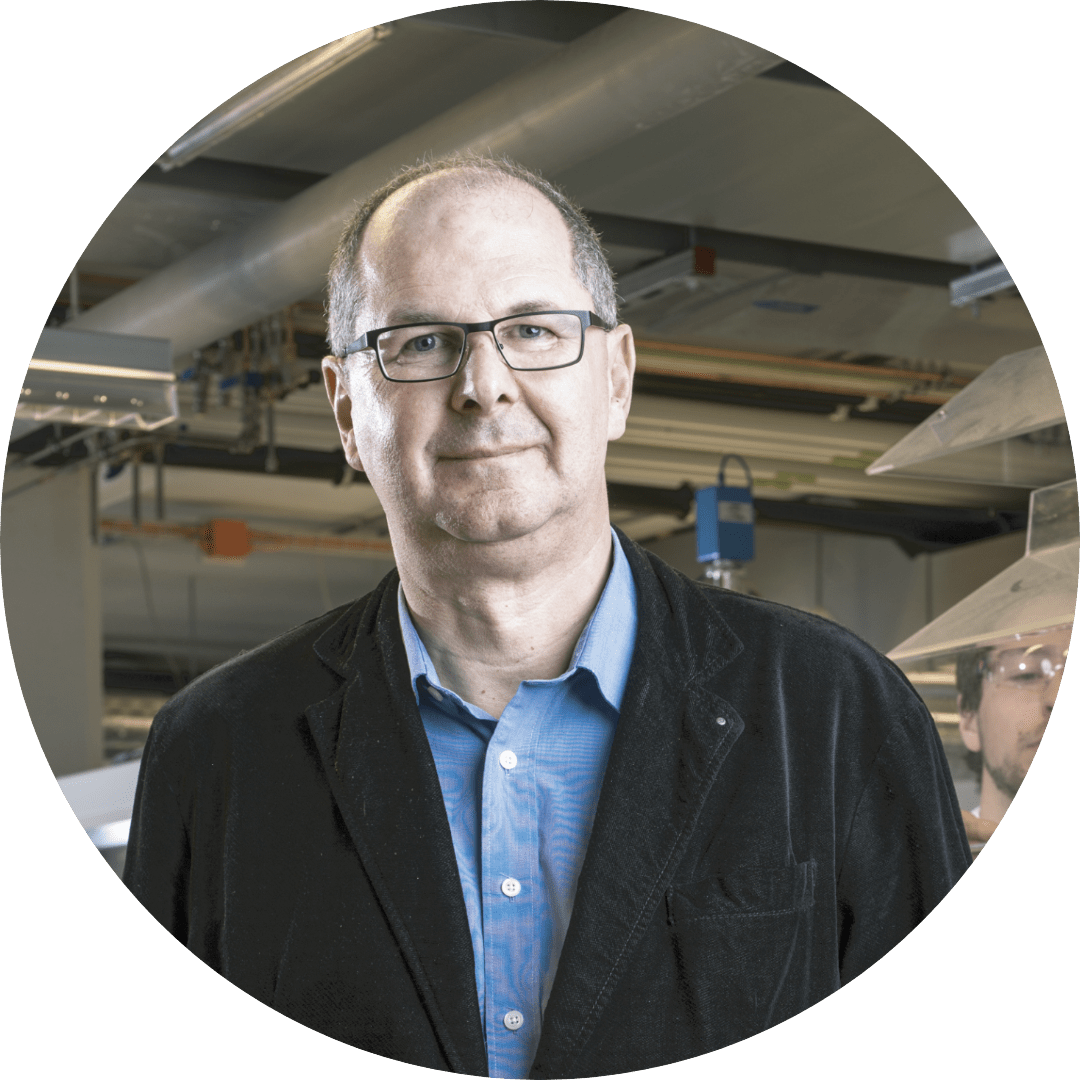
Prof. Berend Smit
Laboratory of Molecular Simulation (LSMO)
Physical Chemistry
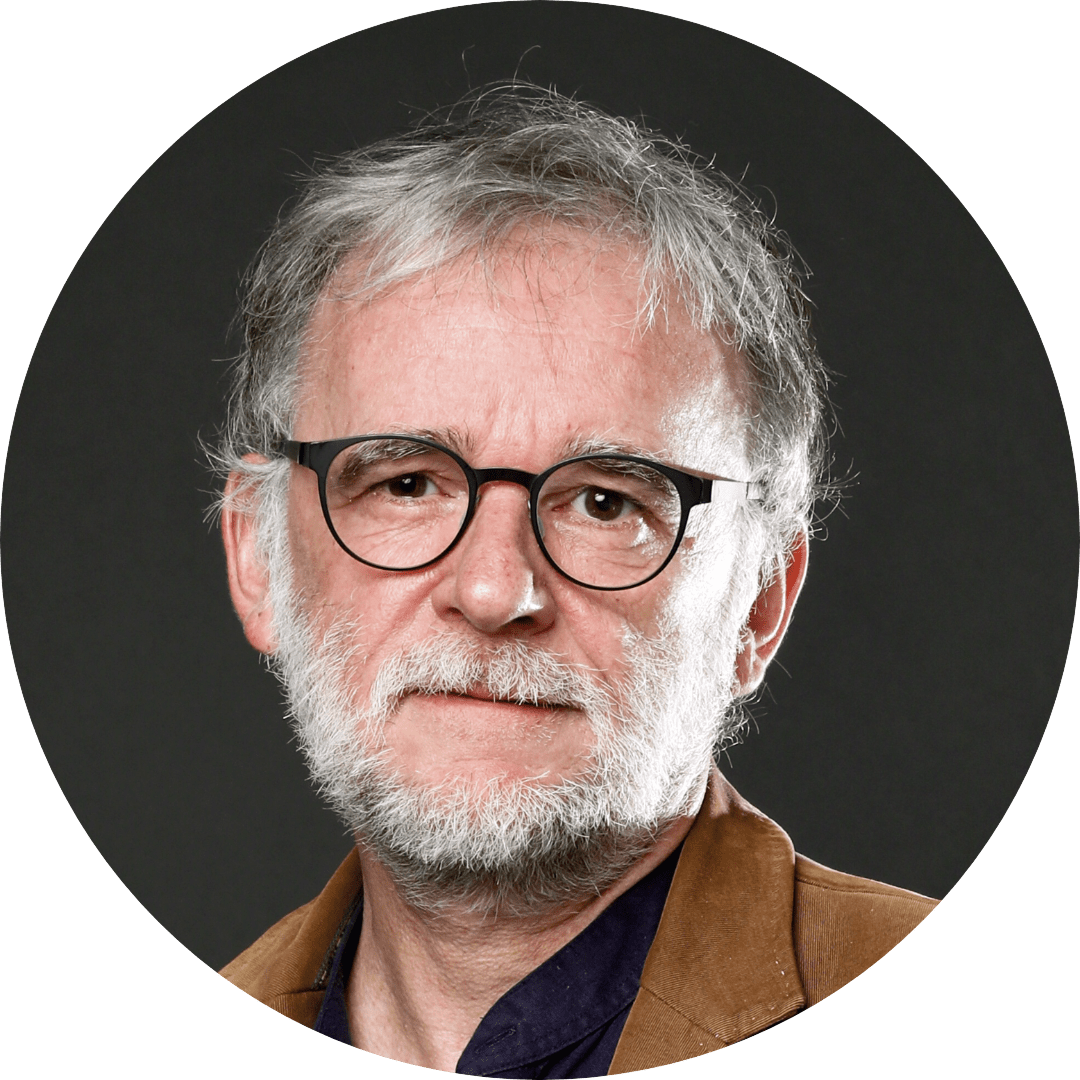
Prof. Andreas Züttel
Laboratory of Materials for Renewable Energy (LMER)
Process and energy system engineering
Prof. François Maréchal
Industrial Process and Energy Systems Engineering (IPESE)

Electrochemical Engineering
MER Jan Van herle
GEM Group of Energy Materials (STI-SCI-JVH)
Clinical Neuroengineering
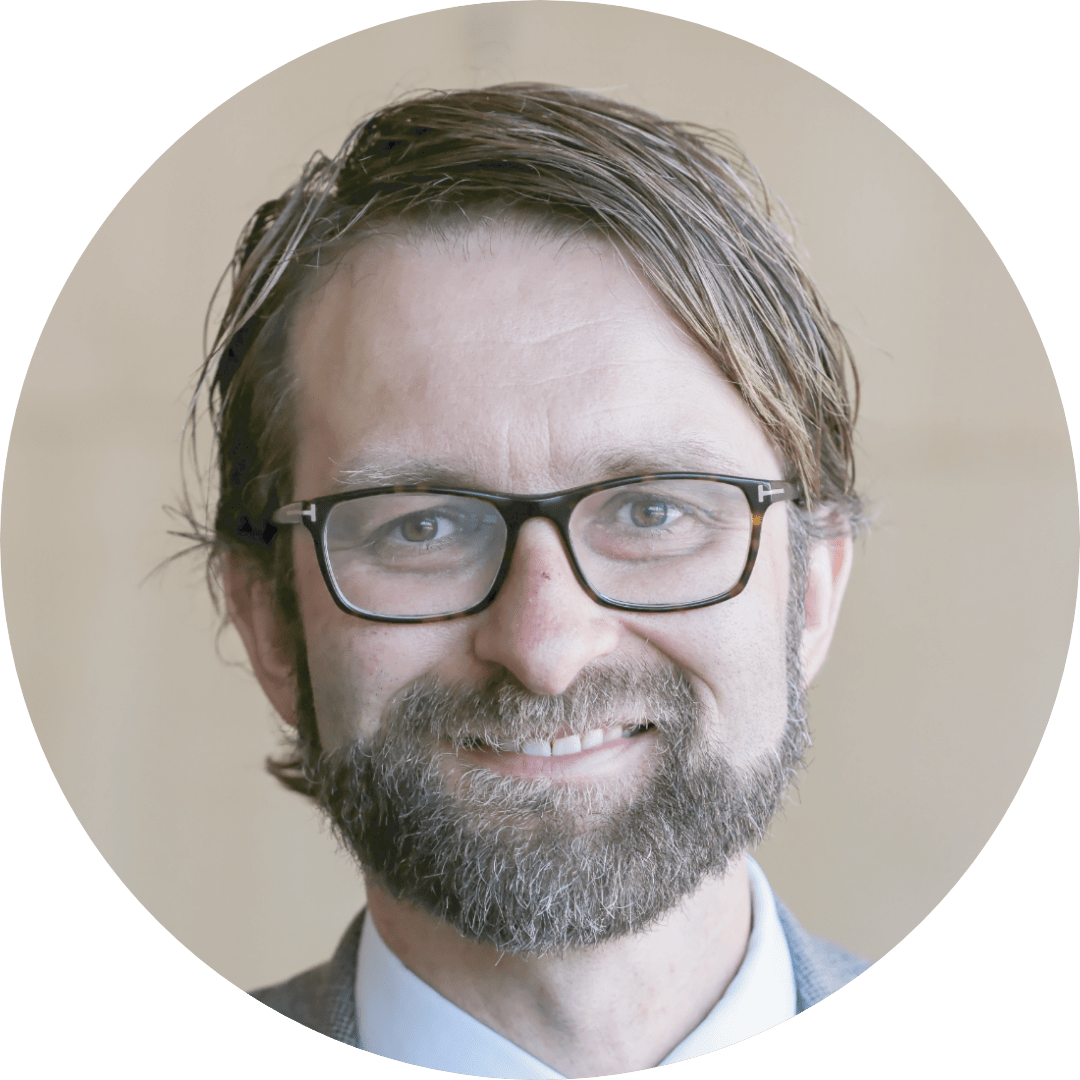
Prof. Friedhelm C. Hummel
Defitech Chair for Clinical Neuroenginering, - Hummel Lab
Projects
Greenfjord project
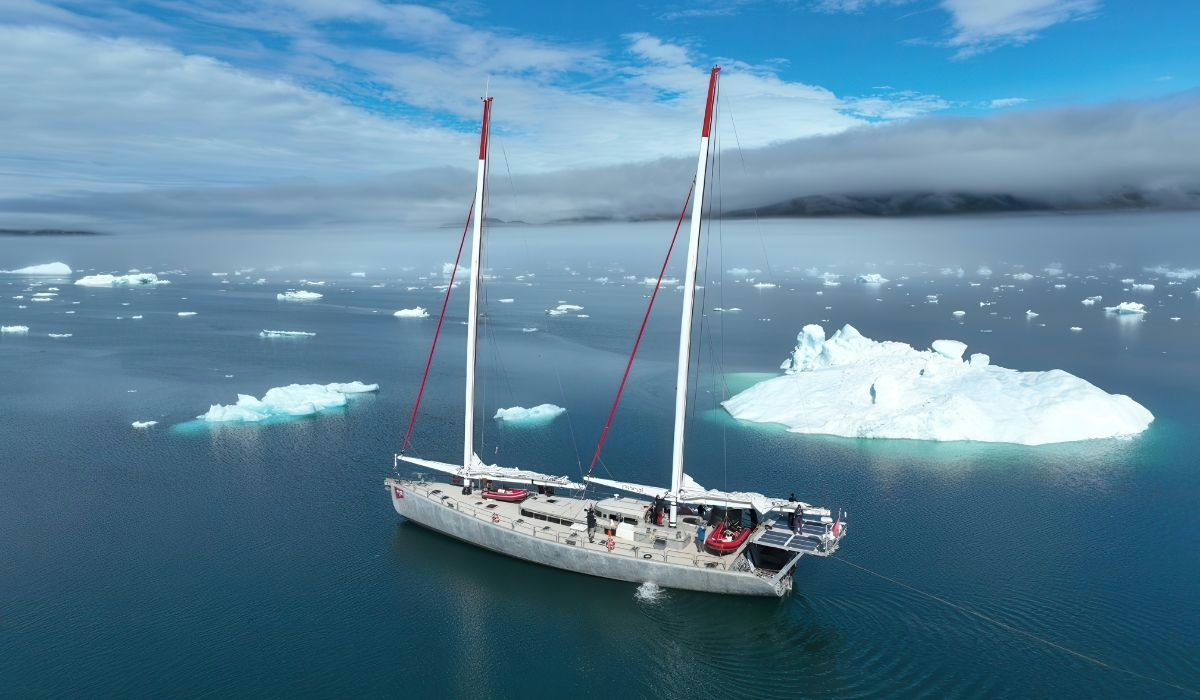
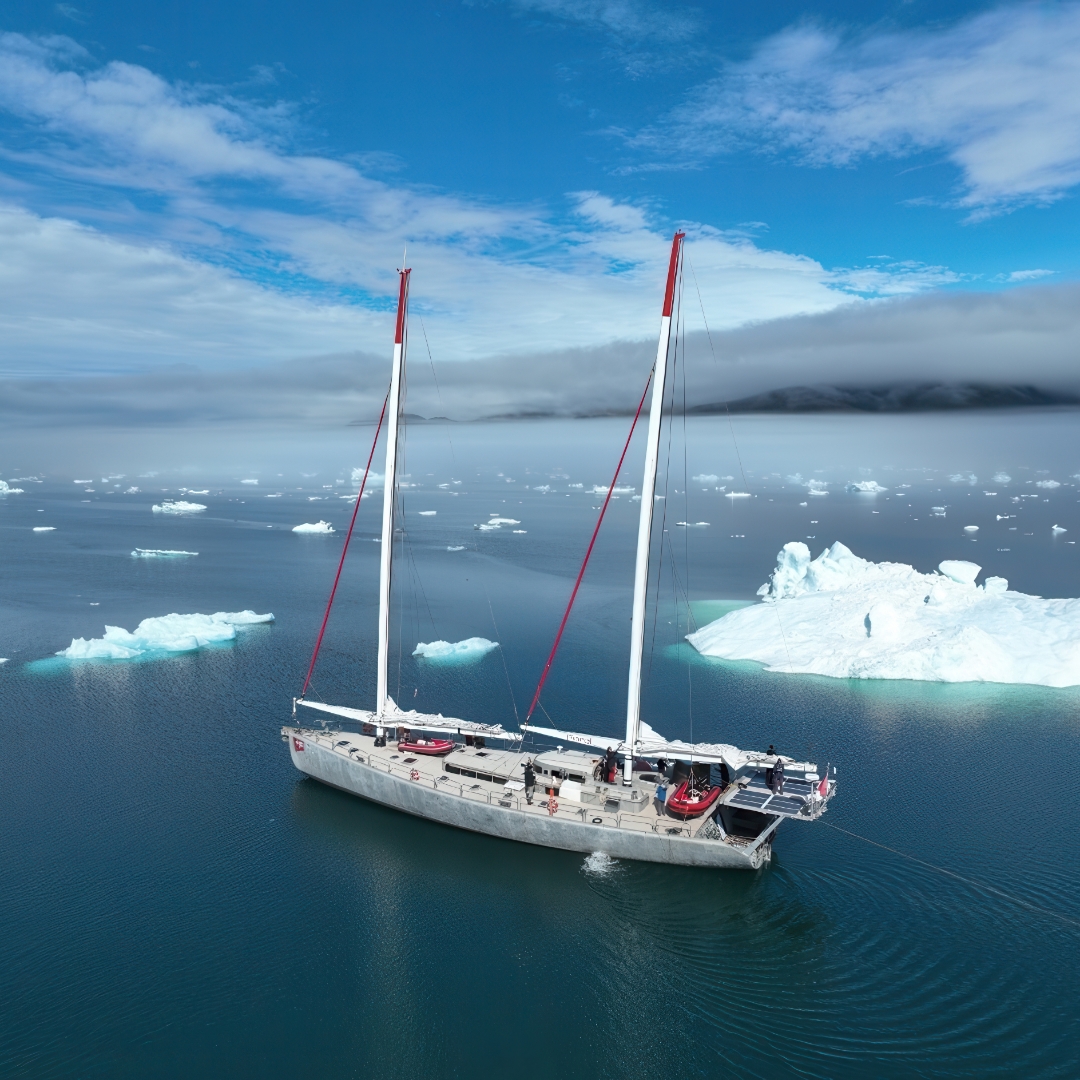
Climate change is accelerating in the Arctic and profoundly disrupting Greenland’s fjords, fragile ecosystems where ice, ocean, land, atmosphere, and biological life interact. These landscapes, essential to local activities, are experiencing increased glacier melt and calving, greatly increasing freshwater inflows. This change is disrupting marine dynamics, nutrient circulation, and the entire food web. Phytoplankton is influencing atmospheric chemistry and cloud formation, while fish are being affected, with direct consequences for the resources and economy of local communities.

AI and corals
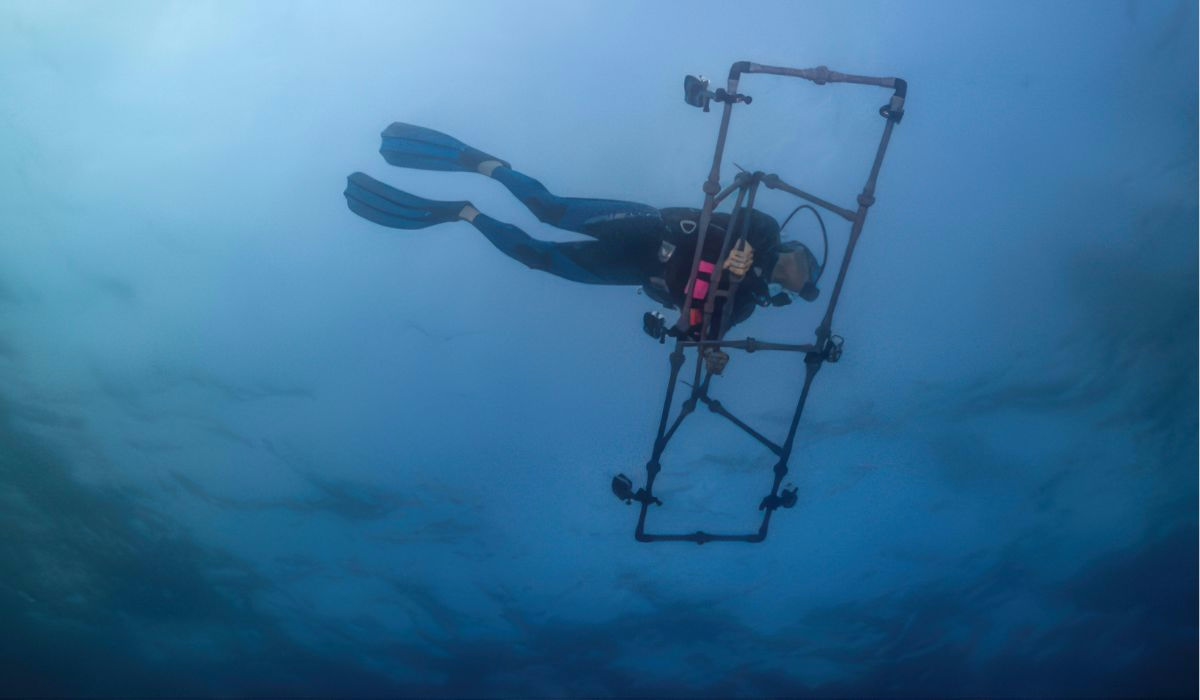
Often relegated to the background behind fish in diving photos, corals nevertheless play a major ecological role. Although they cover less than 0.1% of the oceans, they are home to nearly a third of marine species and support the food security and economy of around half a billion people. Threatened by warming waters and local pollution, they are the subject of in-depth studies, particularly at EPFL’s Transnational Red Sea Center (TRSC). In this context, the DeepReefMap tool—an AI capable of reconstructing hundreds of meters of reefs in 3D from a simple underwater video—makes it possible to accelerate and democratize coral monitoring by significantly reducing the need for equipment and analysis. This breakthrough is the subject of a publication in Methods in Ecology and Evolution. Translated with DeepL.com (free version)
Energy demonstrator
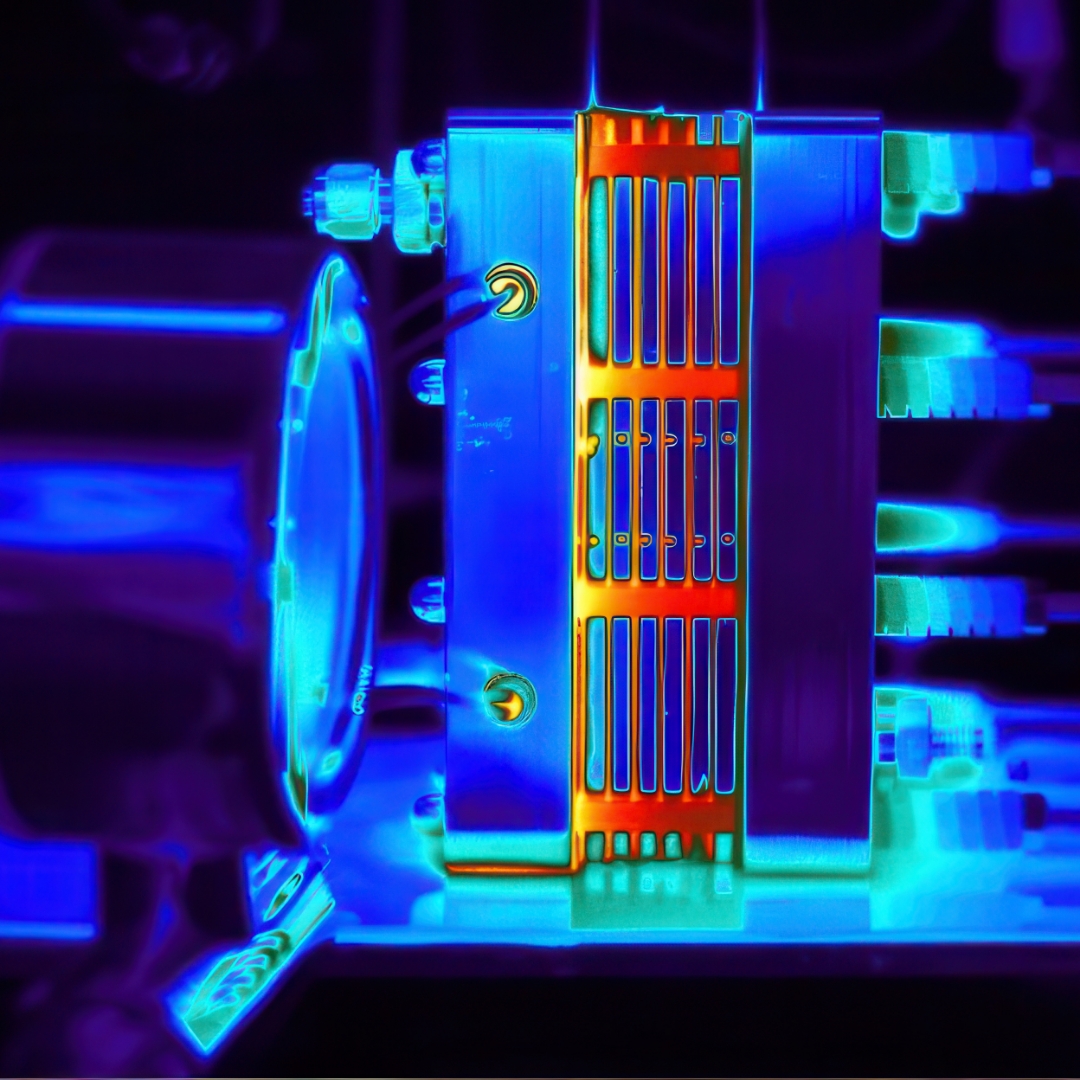
A “Power-to-Gas” demonstrator has been installed on the Sion campus, a unique platform in Switzerland for large-scale testing of key energy transition technologies: CO₂ capture, hydrogen or methane production and seasonal storage. Developed by EPFL, HES-SO, and several industrial partners, it positions Valais as a hub for innovation in clean and circular energy. The MER Van Herle laboratory is piloting the reversible fuel cell, while other EPFL professors, including Wendy Queen, Kumar V. Agrawal, and François Maréchal, are also contributing to the project. Translated with DeepL.com (free version)
Diversity and distribution of bacteria in glacial streams
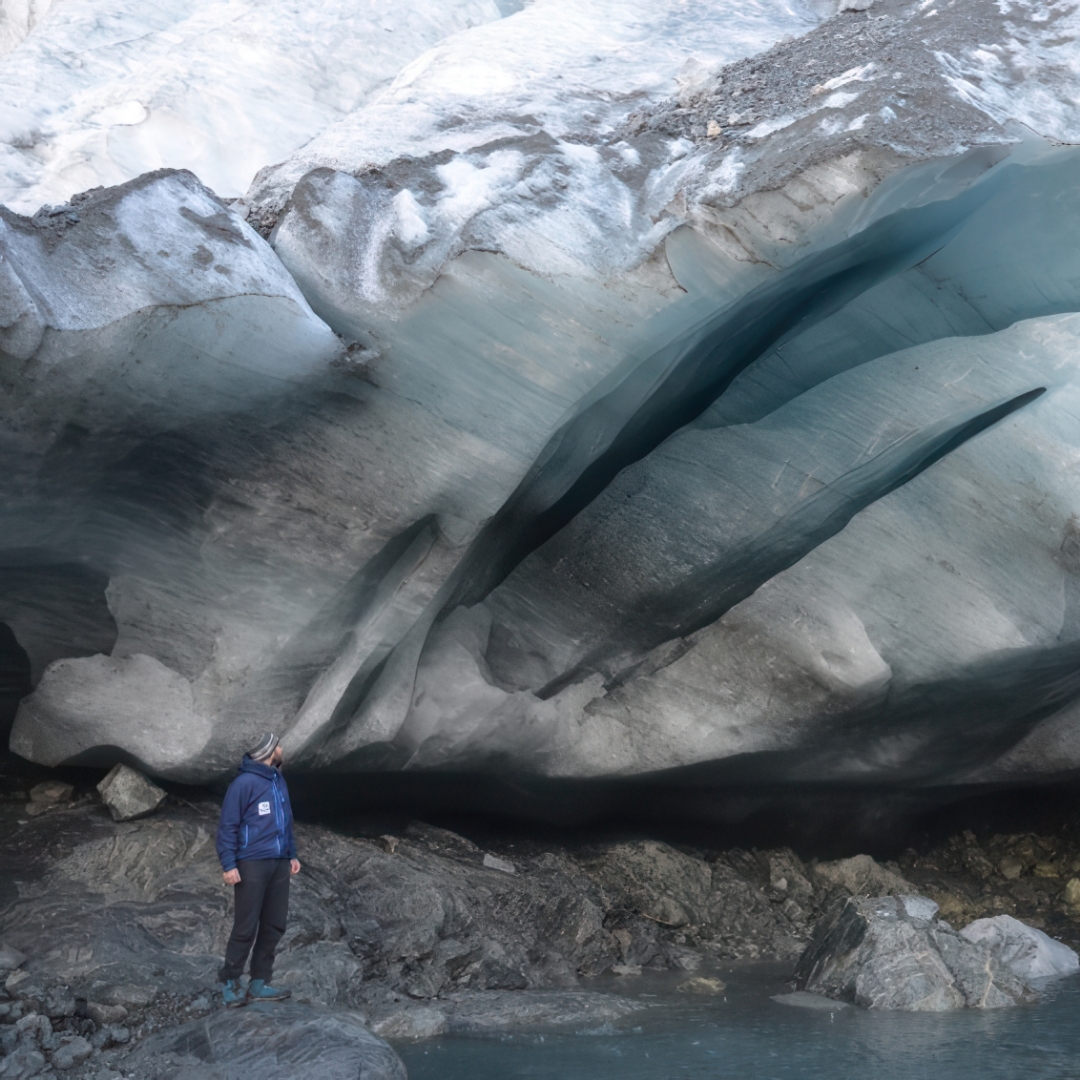
The rapid melting of mountain glaciers and the disappearance of the rivers they feed are powerful symbols of climate change. Glacial rivers are cold, nutrient-poor, and unstable ecosystems dominated by microbial biofilms. However, current knowledge about the microbiome of these waterways remains limited, preventing us from understanding how it responds to glacier retreat.
Research support
Science Outreach Department (SPS)
The year 2024 marked the launch of the activities of the Science Outreach Department in Valais. This first year of implementation of the “Les sciences, ça m’intéresse!” program in the Valais enabled us to a wide offer primary and secondary school pupils, as well as young people outside the school environment, a wide range of scientific and technical activities. This new offering has complemented and strengthened our robotics and IT workshops, which have been running in the Valais since 2014, broadening the opportunities offered to young people to discover and experiment with science and technology. Thanks to this diversity, many participants were able to discover, manipulate and experiment with science in an interactive and fun way, with teaching methods adapted to each audience.
Shared services: an ecosystem serving science
There are a number of shared services on the campus, serving the laboratories. These entities, which are less in the limelight on a day-to-day basis, are nevertheless necessary for the smooth running of the campus and play a major role in the results obtained by the laboratories, which are responsible for scientific publications.