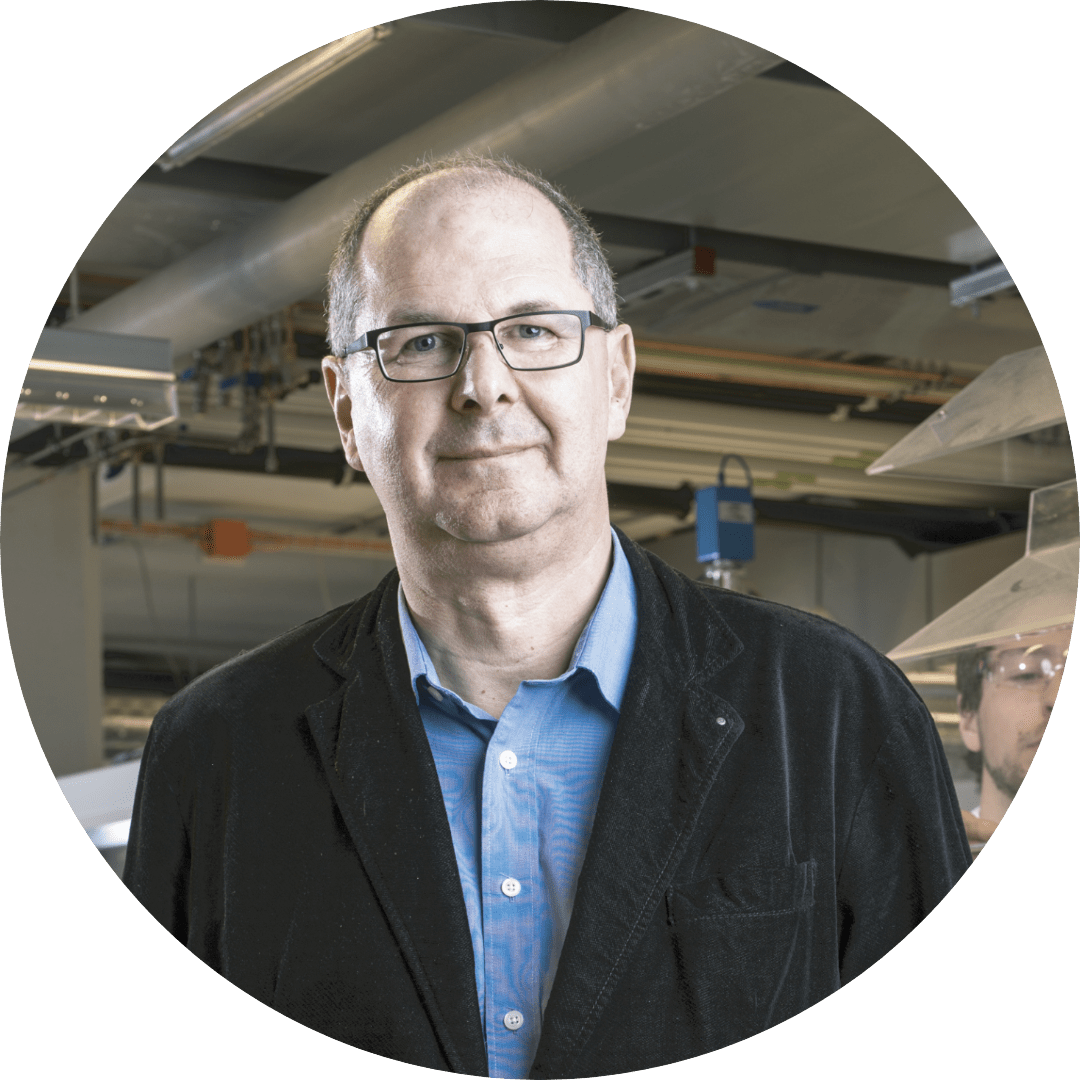
Prof. Jérôme Chappellaz
Smart Environmental Sensing in Extreme Environments Laboratory (SENSE)
Biogeochemistry, climate change
Our mission
SENSE missions are to explore climate change and greenhouse gas biogeochemistry through engineering / new technologies, with a focus on extreme and marine environments. The corresponding motto summarizing our mission could be expressed as “Tech for Climate”.
Research topics | |
|---|---|
| 1 | Greenhouse gas biogeochemistry in aquatic environments |
| 2 | Smart sensors |
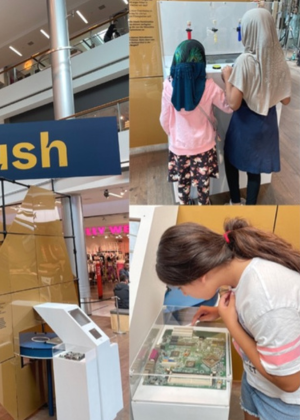
| 3 | Low tech and citizen science |
Our key projects
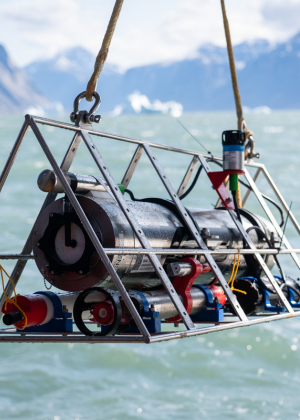
GreenFjord
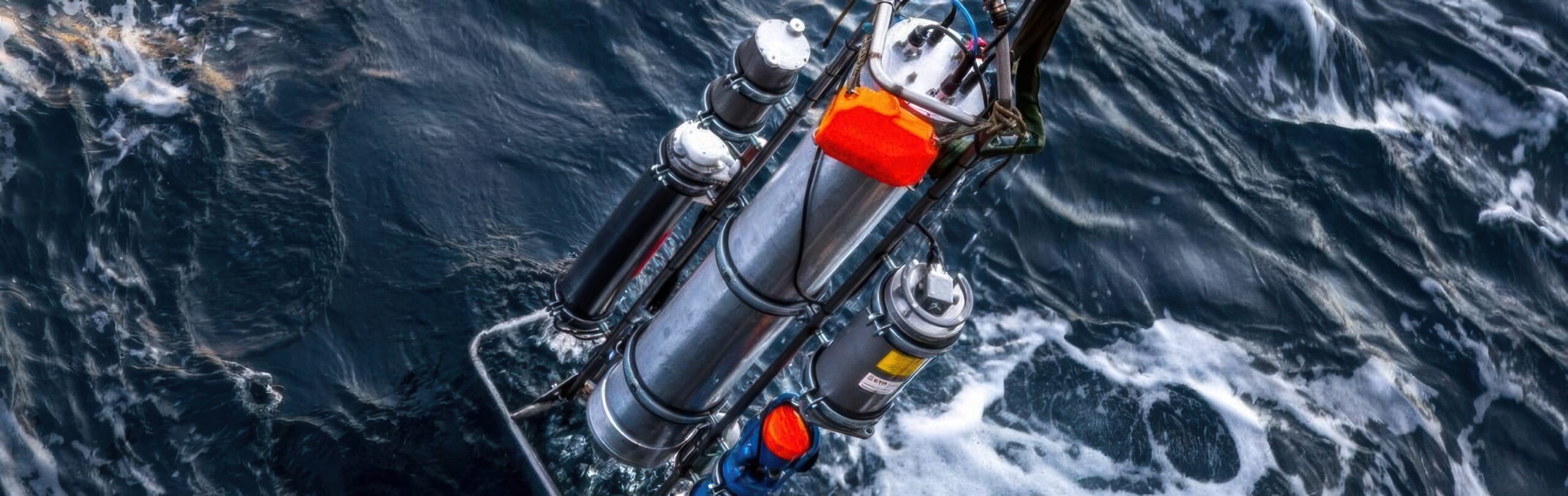
Collaborating with this flagship project of the Swiss polar institute, we have evaluated CH4 fluxes from southwest Greenland fjords in summer, making use of our in-situ sensor called SubOcean.
Swiss polar institute Forel Heritage association
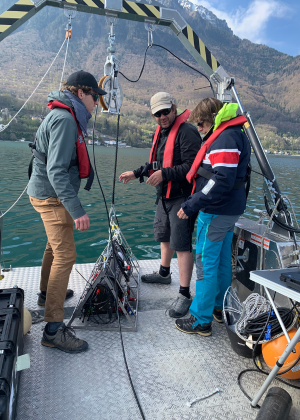
Swiss lakes and LéXPLORE
We have started to acquire detailed measurements of dissolved N2O and dissolved CH4 in Lake Geneva and other Swiss lakes at different seasons, with the final goal to evaluate their production and consumption mechanisms, as well as fluxes towards the atmosphere.
LéXPLORE platform Eawag UNIL
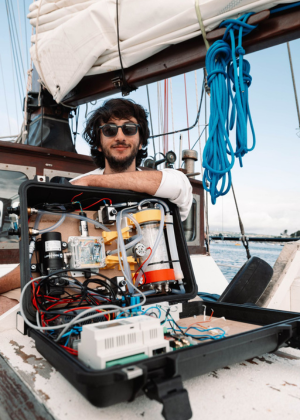
Sailowtech
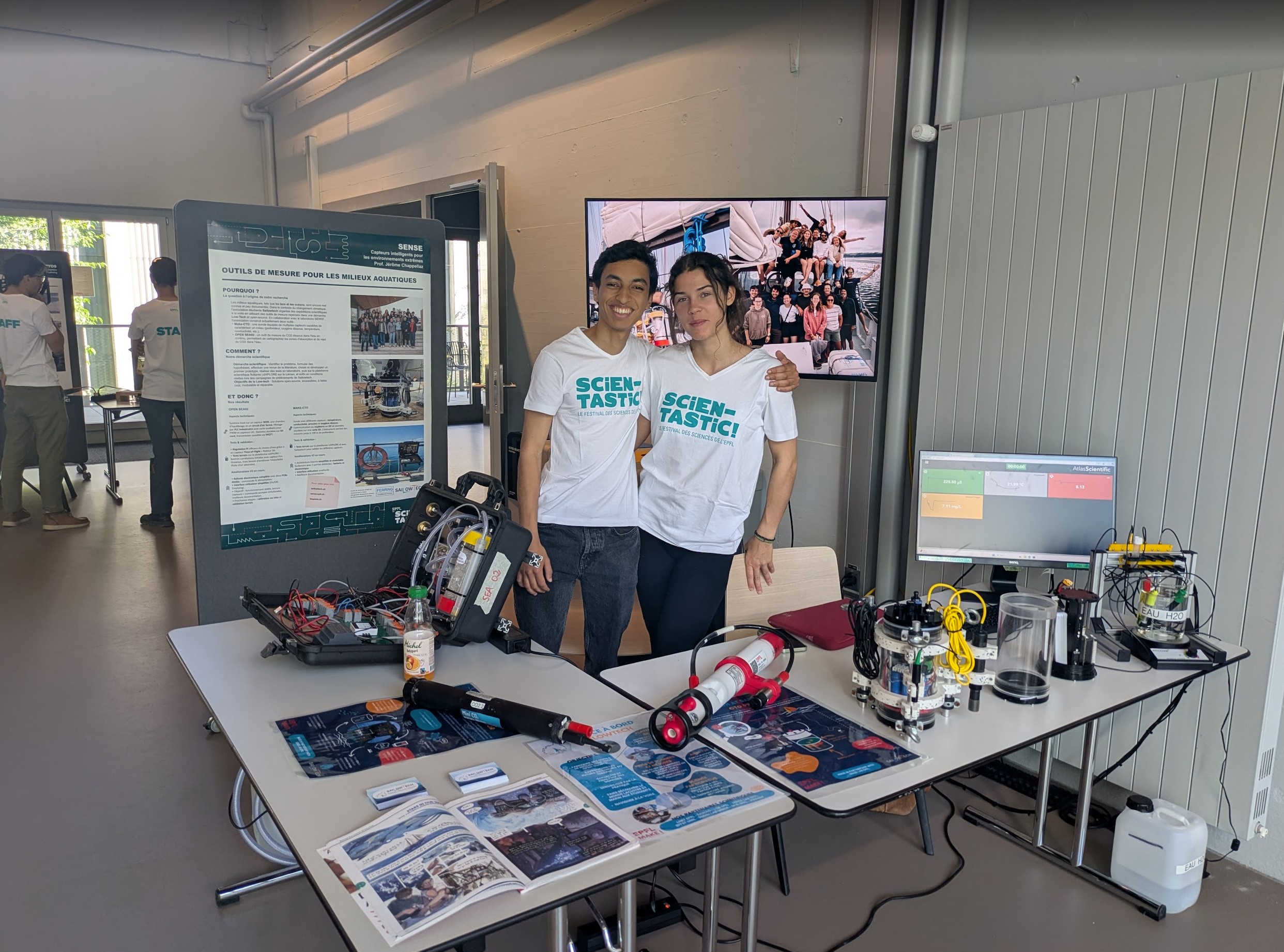
We design, construct and improve low-cost sensors to measure temperature, salinity, dissolved oxygen and dissolved CO2 in aquatic environments. This will help to develop citizen science for a better spatial and temporal recording of these important variables.
Sailowtech association MAKE projects of EPFL
Our results and highlights | |
|---|---|
| 1 | Our detailed in-situ analyses of dissolved CH4 in Lake Geneva have demonstrated that high concentrations far from the Rhone river delta are mostly generated by lateral transport from the delta itself. |
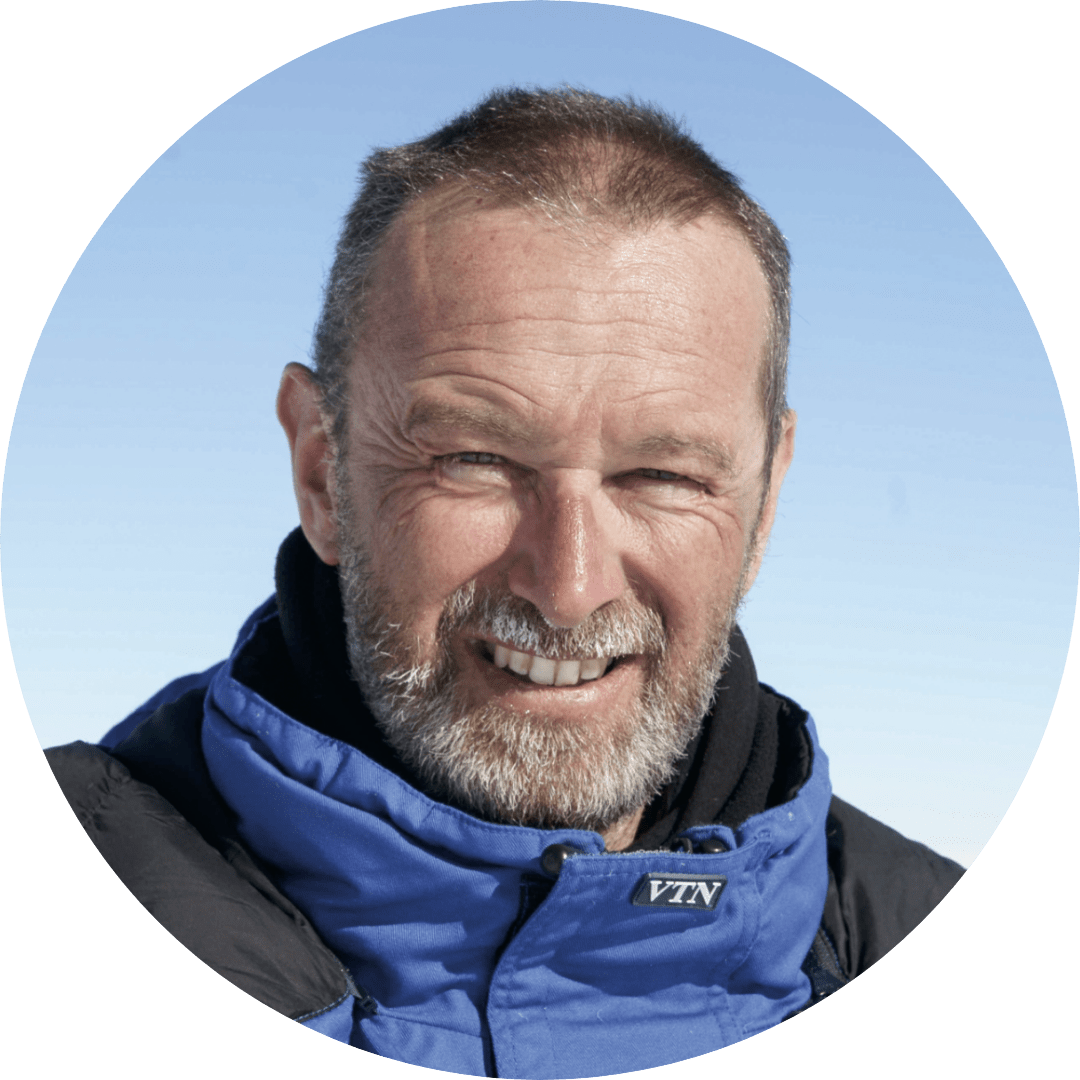
| 2 | Prof. Dr. Jérôme Chappellaz, who leads the SENSE unit, received the Belgica Medal from the royal academy of sciences in Belgium. |
| 3 | Projects supported by the Swiss polar institute : BASAL-CH4 and NITRO-BAFFIN |
Team & talents
Lab team size
7
Introducing a specific team member
Yes, Sébastien Lavanchy as support engineer. A kind of McGyver spirit, capable of handling all aspects of engineering for development and field deployment.
Skills developed by the scientific team
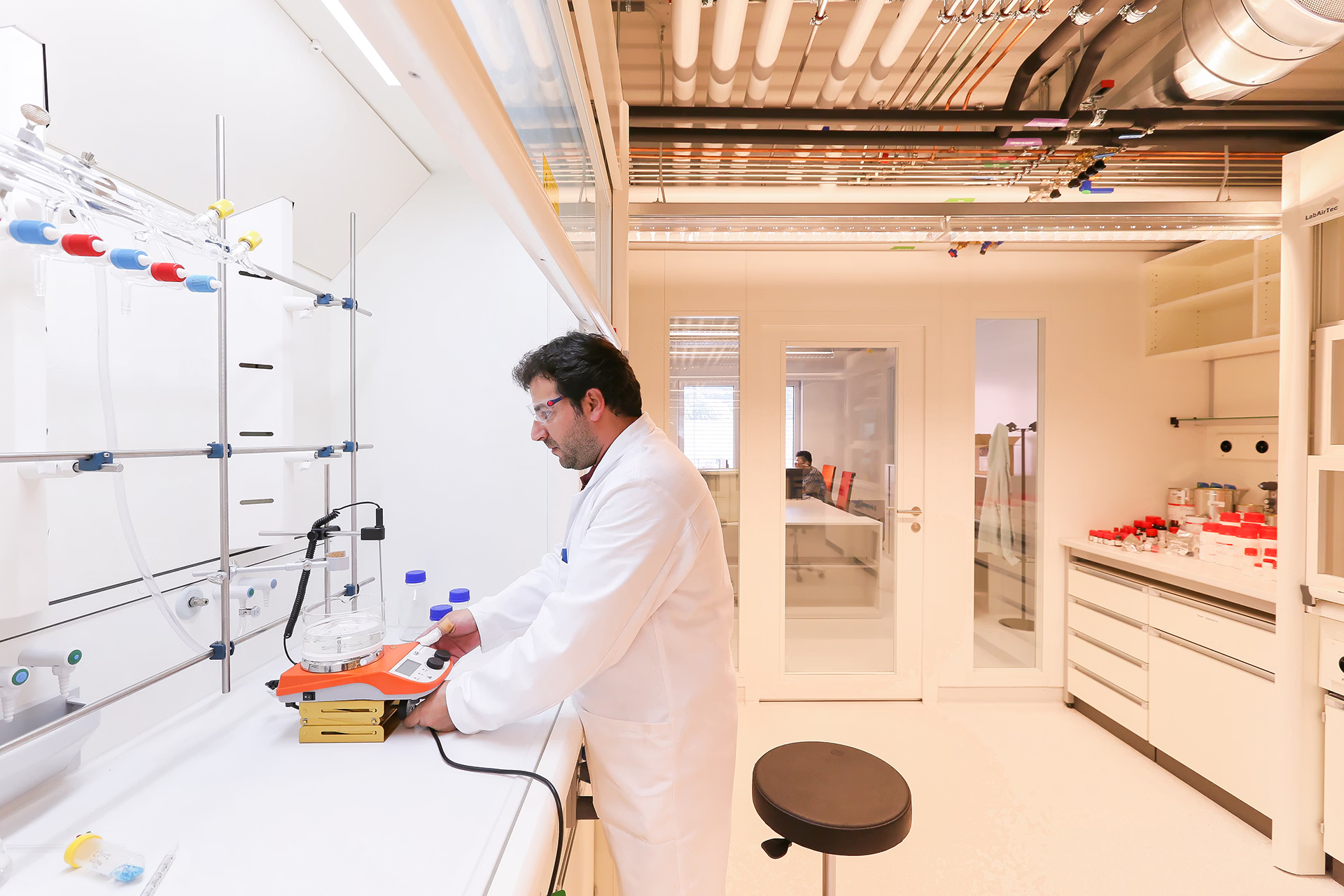
Multi-disciplinary approach at the interface between environmental geosciences and engineering. Field work and associated logistics. Demanding field environments (lakes, polar regions).
Other
Communication. Such a research topic is of interest for a broad public. Therefore it is important to be able to handle media interviews for instance.
Regional and social impacts | |
|---|---|
| 1 | Our research provides essential information regarding potential biogeochemical feedbacks activating under a warmer world. |
| 2 | Our research shows that the canton of Valais takes its share of responsibility in better understanding how the climate system works. |
| 3 | Our research on new sensors may lead to discoveries finding ramifications into industrial applications. |
Perspectives and challenges
Priority 1
Improve our current sensors
Priority 2
Deploy the sensors in collaboration with international programs
Priority 3
Expand the capacity of citizen science around aquatic environments but possibly other ones as well.
Main challenges
There are engineering challenges, requiring to develop connections with different disciplines at EPFL. There are also deployment challenges, as we rely in part on the complex logistics of foreign operators in polar regions. Last but not least, citizen science requires to minimize the budgets of the instruments, which is not always easy.
Future Partnerships
Other Professors within EPFL. Collaboration with Eawag around new types of CTD instruments. Collaboration with other nations (in particular Norway) for deployment in polar oceans.