Laboratory of Advanced Separations (LAS)

2
Varoon Agrawal Min

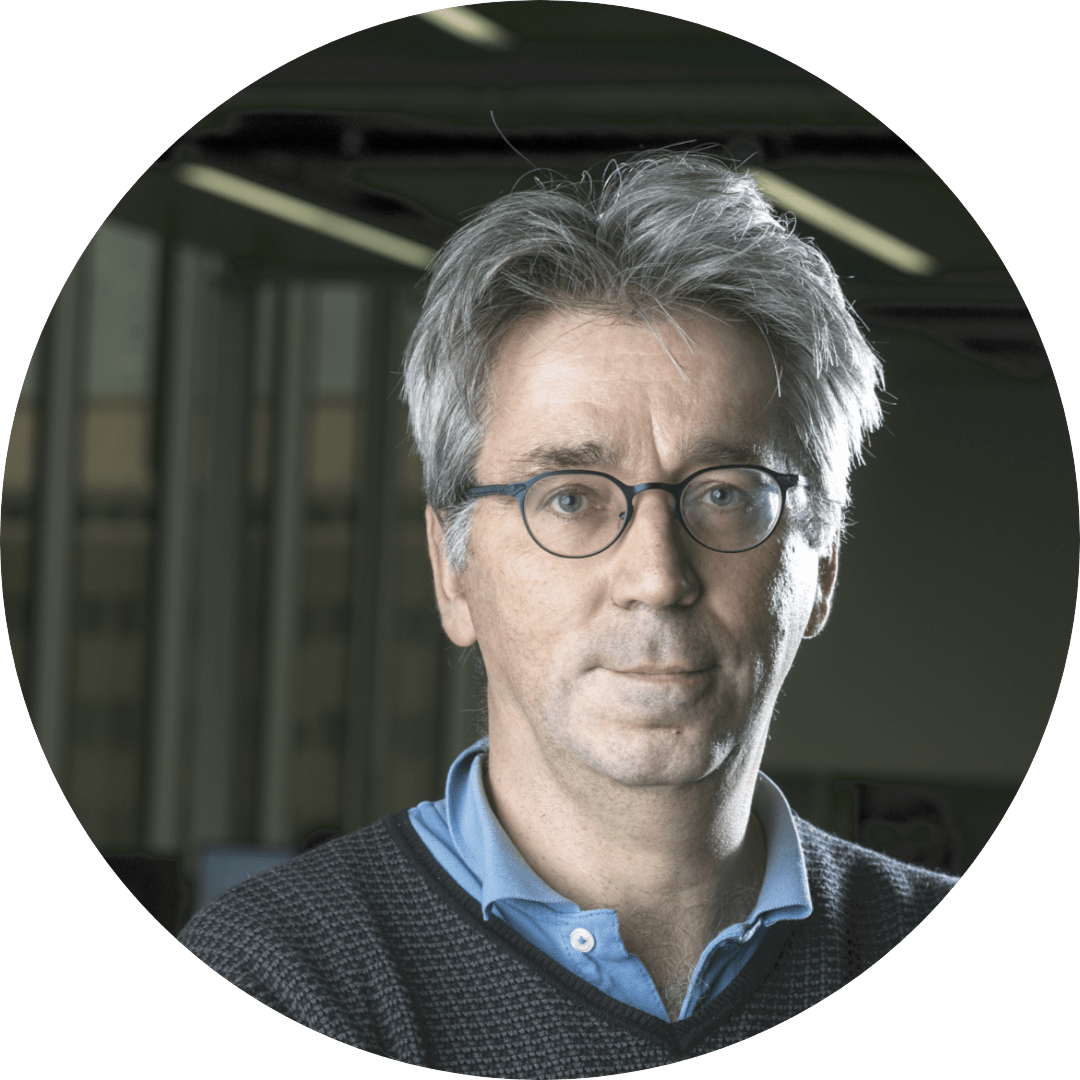
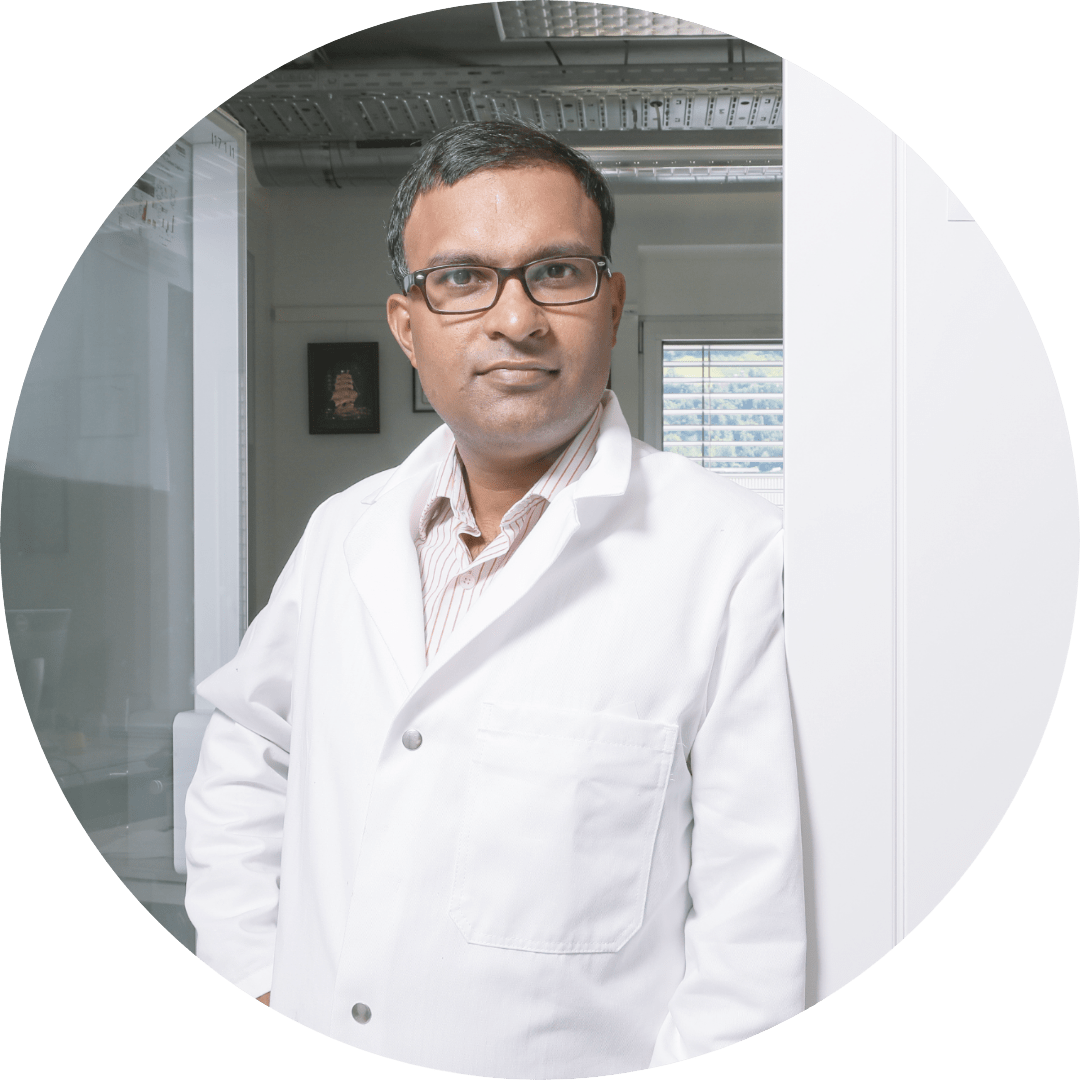
Prof. Kumar Varoon Agrawal

Laboratory of Advanced Separations (LAS)

Chemical Engineering


Our mission

Developing next-generation separation technologies that use less energy and are more sustainable, particularly for gas and liquid purification for application in energy and environment.

Research topics

1

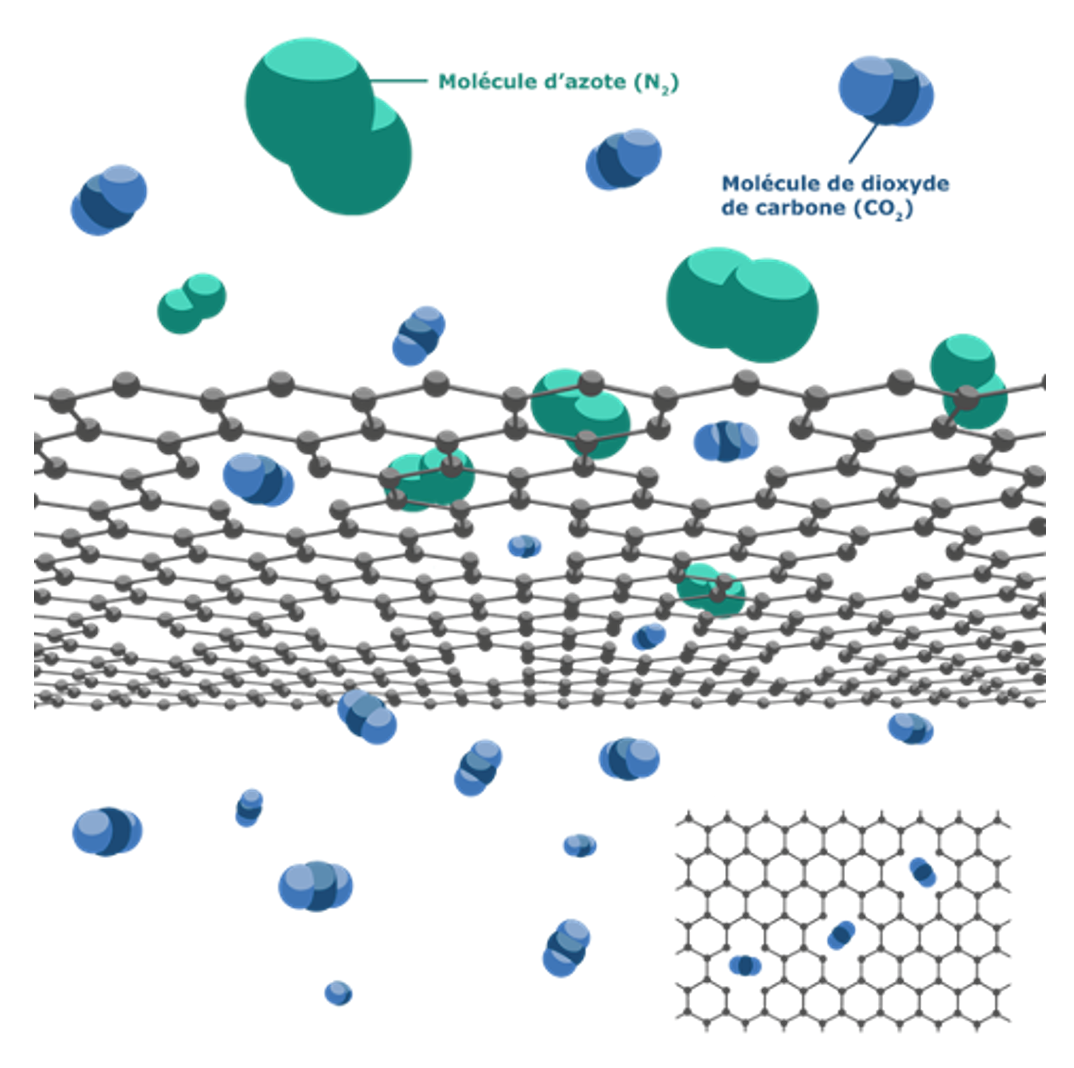
Energy-efficient CO₂ capture: We develop innovative membranes that can selectively capture carbon dioxide using much less energy than conventional methods.

2

Nanomaterials for clean separations: Our team designs atom-thin nanoporous materials that enable precise separation of gases and liquids at the molecular scale.

3

Scalable and sustainable membrane technologies: We work to translate our discoveries into practical, industrial-scale solutions that support cleaner and more sustainable chemical processes.

Our key projects


6

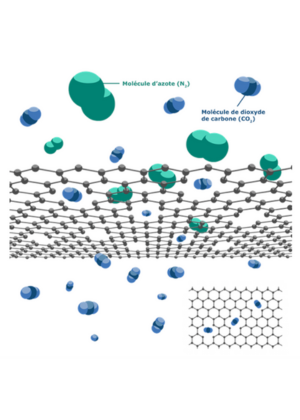
Graphene CO₂ Capture

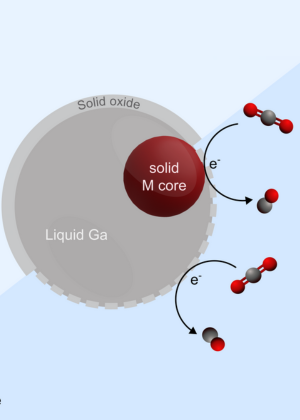
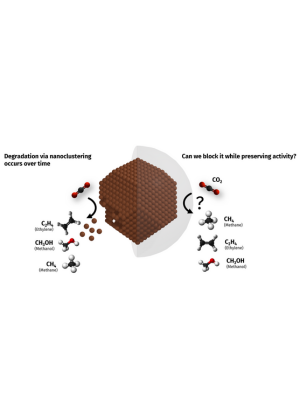
CO₂ Capture with Atom-thin graphene MembranesDeveloping graphene (a Nobel prize winning material) based membranes that can selectively capture carbon dioxide with minimal energy use, supporting efforts to mitigate climate change.


GAZNAT, Shell, Academic collaborators at EPFL and other Universities

7

Ultrathin MOF Membranes

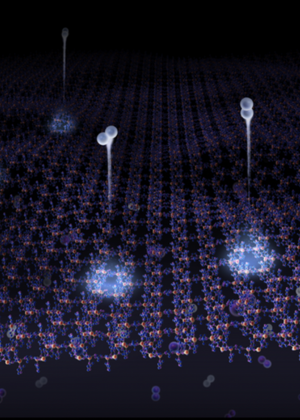
Ultrathin Crystalline Nanoporous Materials (MOFs) for Gas SeparationDesigning innovative thin films of MOFs (a Nobel prize winning material) that can distinguish between gas molecules at the atomic scale, offering breakthroughs for hydrogen purification and clean energy.


Academic collaborators at EPFL and other Universities

8

Scalable Membrane Fabrication

Translating lab discoveries into industrial prototypes. A highlight is capture of CO2 from Enevi waste incineration plant at the rate of 1 ton CO2 per day by scaling porous graphene membrane, under a CCUS project funded by EPFL (Solutions4Sustainability, funding of 9 million CHF). Website: https://s4s-ccus.epfl.ch


GAZNAT, Enevi, Divea, Academic collaborators at EPFL and other Universities

Our results and highlights

1

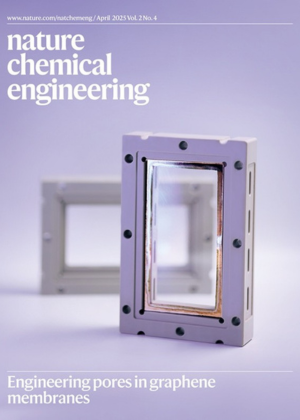
The lab achieved major advances in creating ultrathin membranes — only a few atoms thick — that can efficiently separate gases such as CO₂ and hydrogen.

2

Prof. Agrawal received several international distinctions, including an ERC Starting Grant, NAMS Young membrane Scientist Award (2018), the AIChE FRI/John G. Kunesh Award (2021), recognizing his pioneering work in separation science.

3

LAS participates in national and European collaborations focused on sustainable energy and carbon-capture technologies, including partnerships with the Swiss National Science Foundation (SNSF) and ERC projects.

4

The laboratory spinoff Divea (incorporated in 2024) is active in commercializing the low-cost carbon capture membranes. Laboratory has filed 10 patent application. Several are granted. 7 of these have been licensed by Divea.

5

LAS’s work has led to high-impact publications, global collaborations, and growing recognition for advancing clean-technology solutions that can reduce emissions and energy costs. Divea is carrying field trials of graphene membranes. The research group has developed pilot-plant demonstrators in collaboration with Valais, SFOE, and GAZNAT.

Team & talents

Lab team size
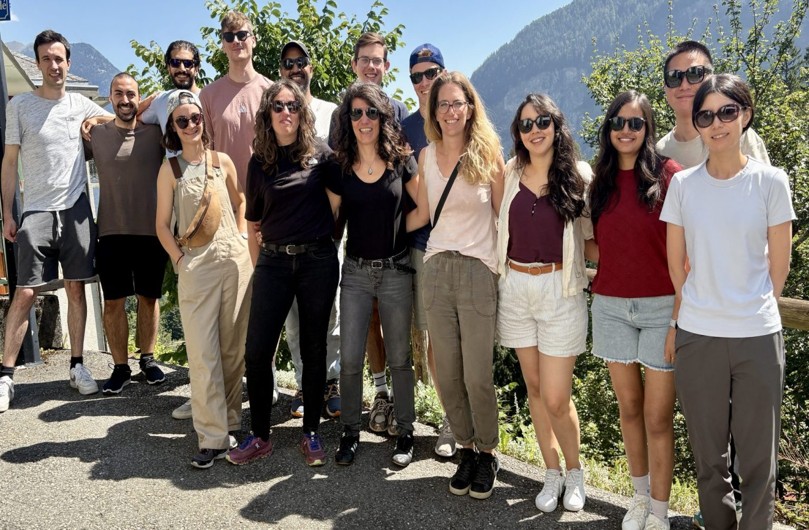
The LAS currently brings together around 20 researchers, including PhD students, postdocs, and engineers from more than ten countries.

Introducing a specific team member
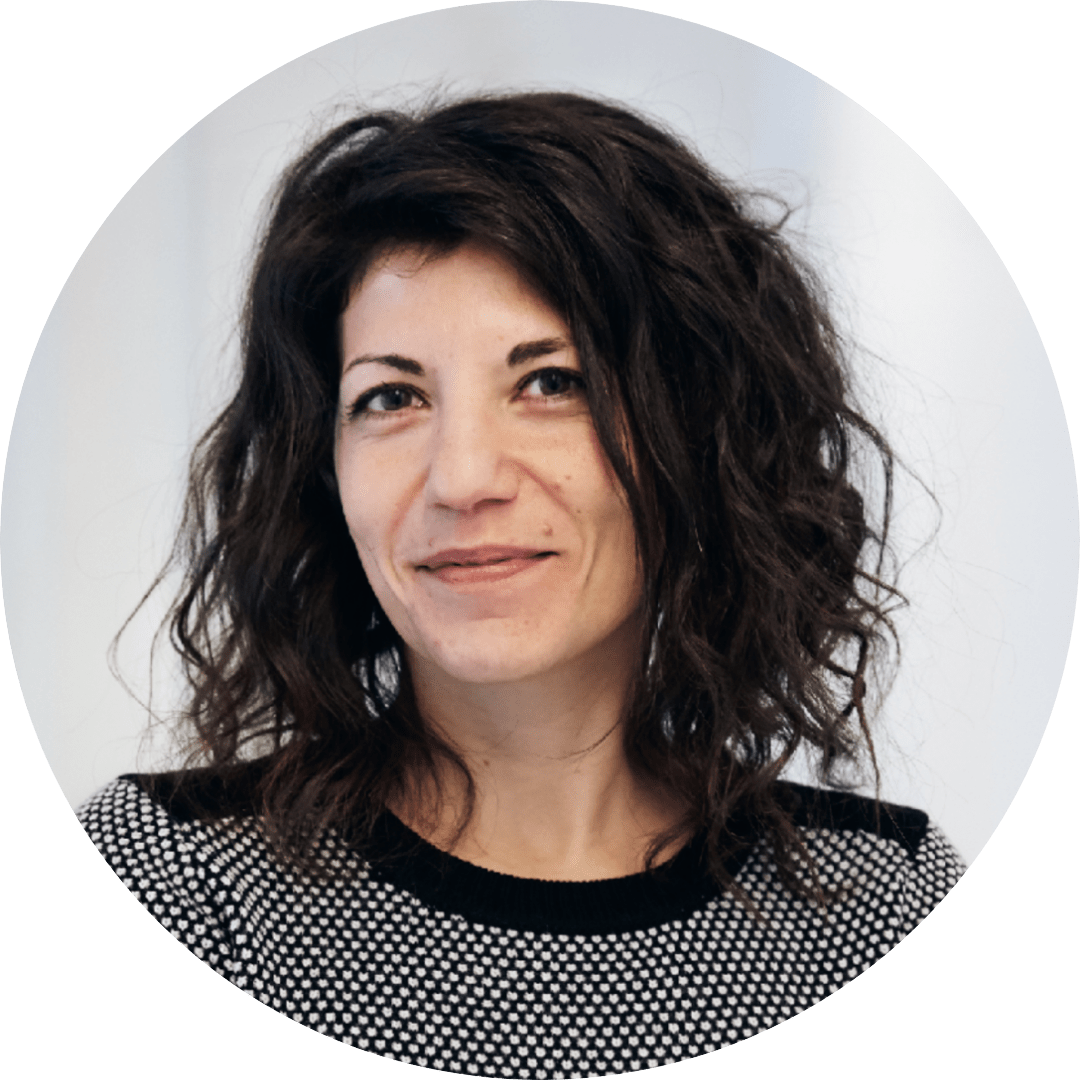
We would like to highlight Dr. Jian Hao, a senior scientist at LAS, who plays a key role in developing next-generation membranes for CO₂ capture and gas separation. His expertise in nanomaterials and thin-film fabrication is central to transforming laboratory discoveries into scalable technologies.

Skills developed by the scientific team
Team members gain expertise in advanced materials synthesis, nanofabrication, and energy-efficient separation technologies, as well as project management and interdisciplinary collaboration.

Other
The lab strongly promotes diversity, mentoring, and an inclusive working culture that encourages creativity and innovation.

Regional and social impacts

1

Our research supports the global transition to low-carbon technologies by making CO₂ capture and purification processes more energy-efficient and affordable.

2

Based in Sion, the LAS strengthens the local innovation ecosystem, attracts international talent, and contributes to positioning Valais as a hub for clean-technology research.

3

By developing scalable and cost-effective separation technologies, the lab helps industries reduce energy use and emissions while improving their competitiveness and sustainability.

Perspectives and challenges

Main opportunities

LAS aims to expand the application of its advanced membrane technologies to large-scale CO₂ capture and clean hydrogen production. There are strong opportunities to strengthen links with industry and contribute to Switzerland’s transition to a low-carbon economy.

Main challenges

The main challenge is to scale up these materials from lab prototypes to industrial systems while keeping production cost-effective and environmentally friendly. Bridging the gap between research and real-world implementation remains a key focus.

Future Partnerships

The lab seeks to collaborate with energy and manufacturing companies, as well as public institutions, to accelerate technology transfer and demonstrate the impact of advanced separations in sustainable industrial processes.

Cookie policy
By continuing to browse this site, you agree to the use of cookies to improve your user experience and for the generation of visit statistics. You can customise the use of cookies using the buttons below.
My preferences