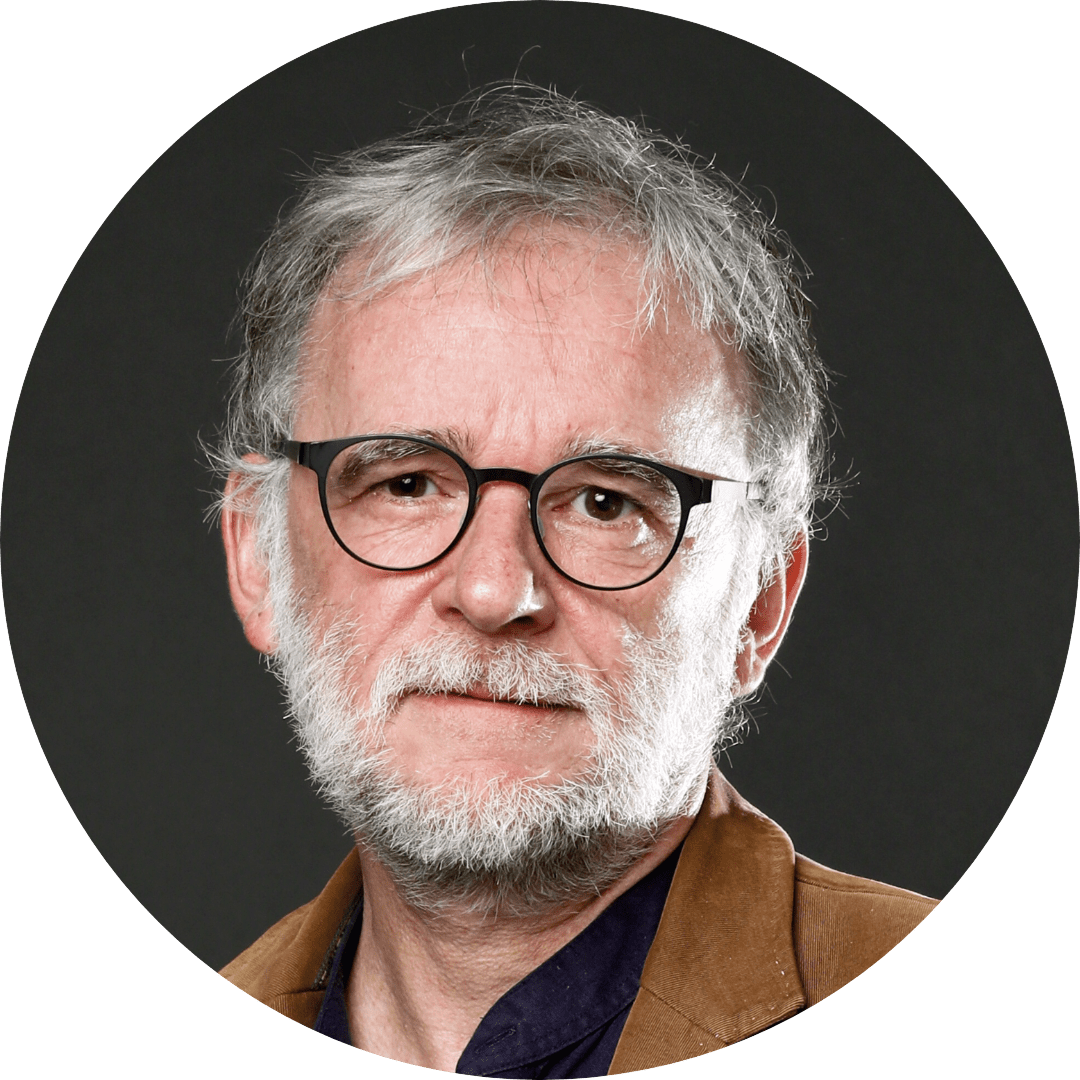
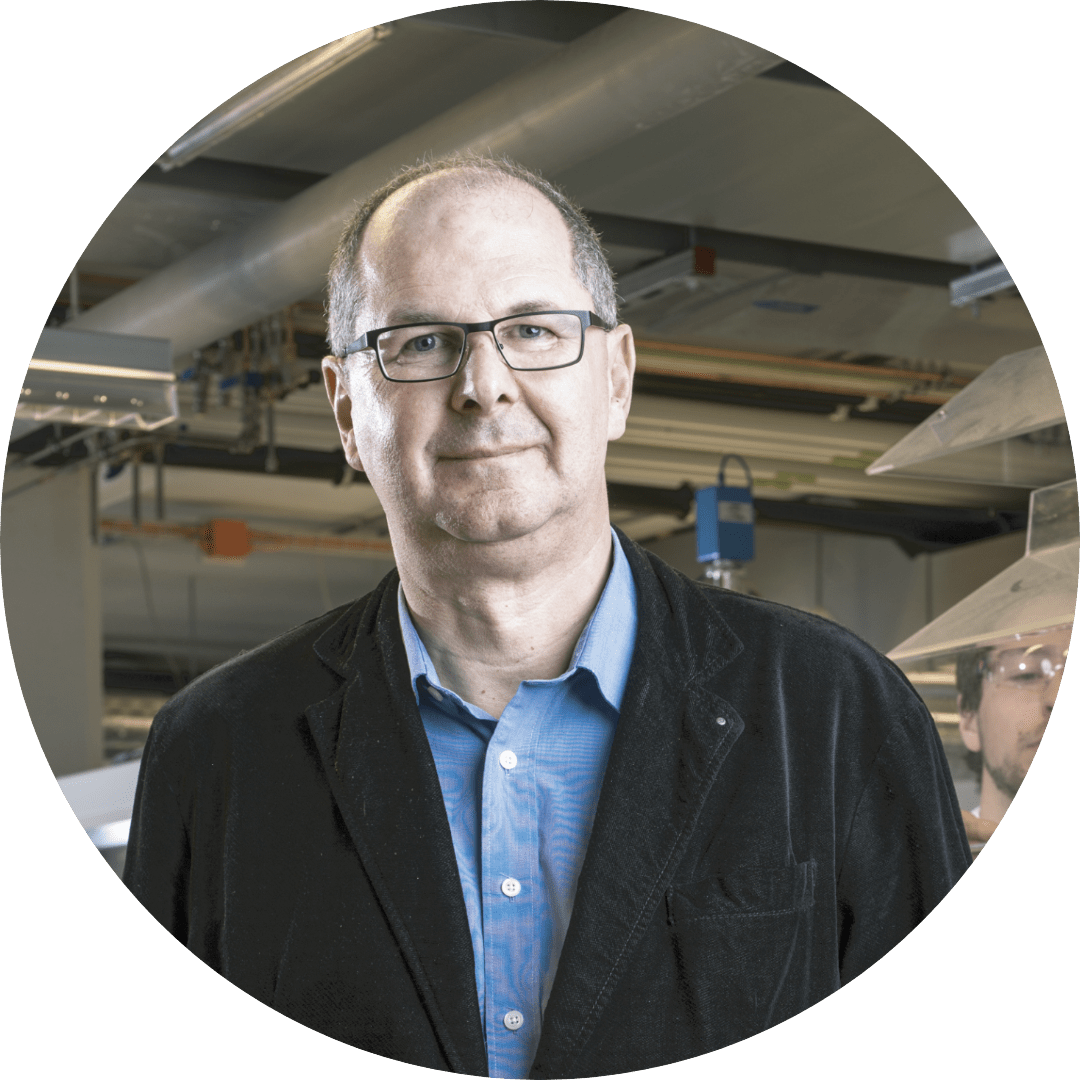
Prof. Andreas Züttel
Laboratory of Materials for Renewable Energy (LMER)
Physical Chemistry
Our mission
The research spans from fundamental science to applied research in the domaine of renewable energy storage by means of hydrogen and its derivatives. Investigation of reaction mechanism especially for hydrogen interacting with metals and carbon as well as analysis of energy systems in order to substitute fossil fuels with renewable energy. Search for new creative and innovative solutions and working beyond the obvious.
Research topics | |
|---|---|
| 1 | Interaction of hydrogen with metals, hydrogen intercallation and structure of hydrides. |
| 2 | Reduction of CO2 and carbon hydrates with hydrogen, synthetic hydrocarbons as sustainable fuels for the future renewable energy economy. |
| 3 | Analysis of the technical requirements and economic impacts of renewable energy systems. |
Our key projects
Metal hydride storage
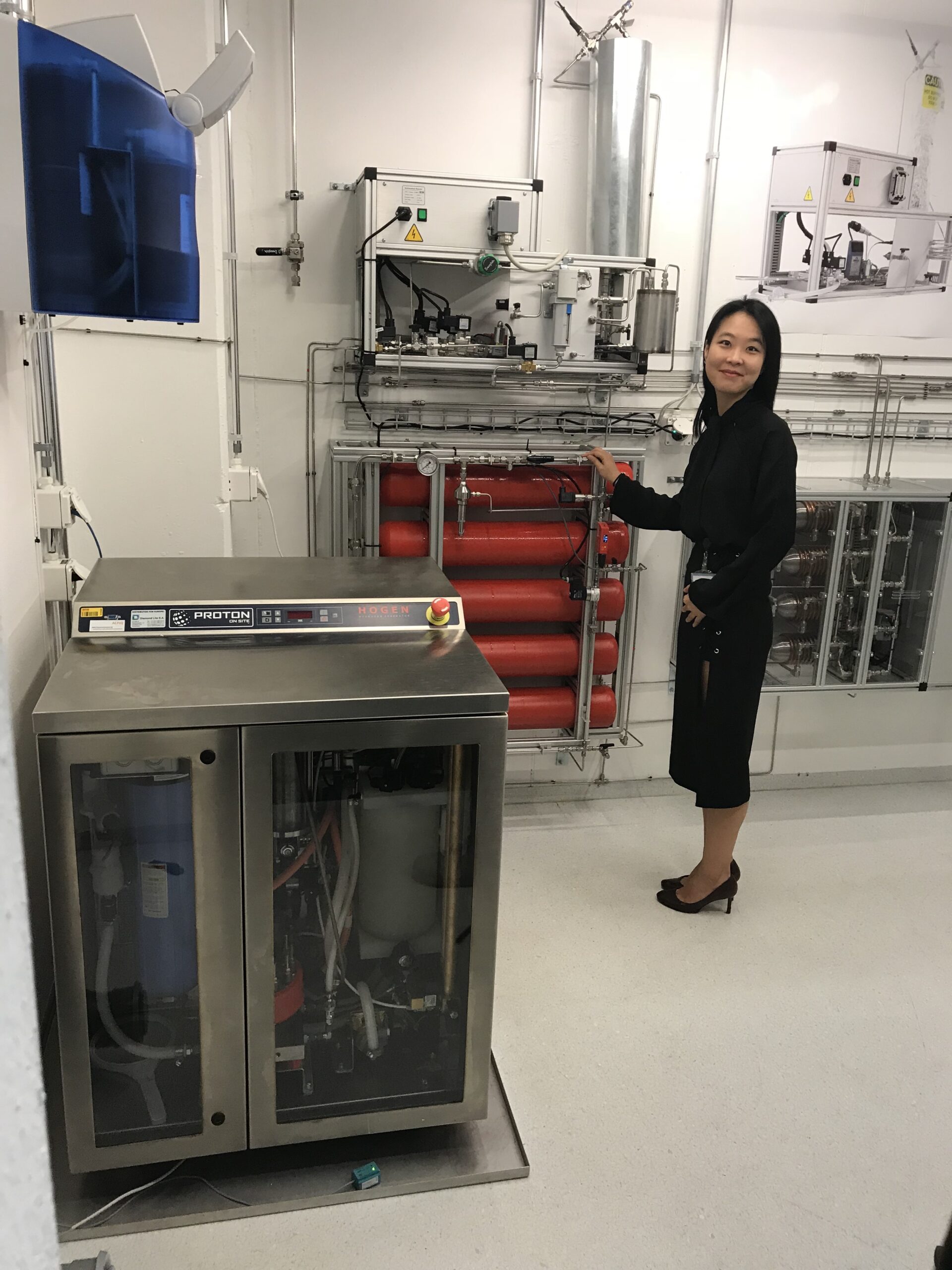
In collaboraion with several Korean groups and GRZ Technologies a energy storage system is developed consisting of an electrolyzer from Korea and a metal hydride storage system from Switzerland. New hydrides based on bcc alloys allow to almost double the hydrogen storage density.
1 MW methanation reactor demonstration
In collaboration with Gaznat a new type of methanation reactor was developed that allows to convert 99.6% of CO2 to methane in one step. A new high performance catalyst was developed, analyzed and optimized.
Feasibilty study for SAF
The potential production pathways for sustainable aviation fuels have been analyzed in detail for the determination ofthe four most important citeria, i.e. the efficiency, the space requirement, the investment cost and the cost of the fuel.
Our results and highlights | |
|---|---|
| 1 | Publications on hydrides are the most cited in the field. Significant contributions hydrogen interaction with nanomaterials, metals and carbon. |
| 2 | Watt d’Or award, Hydrogen and Energy award |
| 3 | Long term international collaborations with leading groups in China, Japan, Korea, USA, and several European countries that led to many publications. |
| 4 | A series of patents on hydrides, catalysts, analytical techniques and applications are used in industry. |
Team & talents
Lab team size
The team consists of 4 post docs, 9 PhD students and 2 to 5 internship students
Introducing a specific team member
Several former group members are now professors e.g. Wen LUO at Shanghai University or Emanuele MOIOLI at Poletechnico in Milano. Several group members have successfully created companies e.g. Noris GALLANDAT GRZ Technologis SA and Cedric KOOLEN SCIDENTIFY SA.
Skills developed by the scientific team
The learn to work not only on scientific interesting research topics but also to work on relevant scintific challenges and to produce valuable results beyond measurements.
Regional and social impacts | |
|---|---|
| 1 | Renewable energy storage is the key technology needed in order to substitute the fossil fuels with renewables. The development of new new materials and technologies as well as the science directly serve the society. |
| 2 | The increasing contribution of renewable energy to the energy mix is a key topic in Valais. New technologies create new activities, work and prosperity. |
| 3 | The energy transition to renewables is also a transition of the energy market. The economy profits from the knowledge created about the future technologies. |
Perspectives and challenges
Priority 1
Hydrogen in metals and the properties of hydrides
Priority 2
Sustainable aviation fuels from biological oil
Priority 3
Riority 3: Hydrogen conversion technologies
Main challenges
Focus on the promotion of natural intelligence to avoid substitution with artificial intelligence and spend time for the most relevant topics.
Future Partnerships
Increase the collaboration with China and concentrate on the best Chinese research groups to profit from the synergies and create mutual success.